
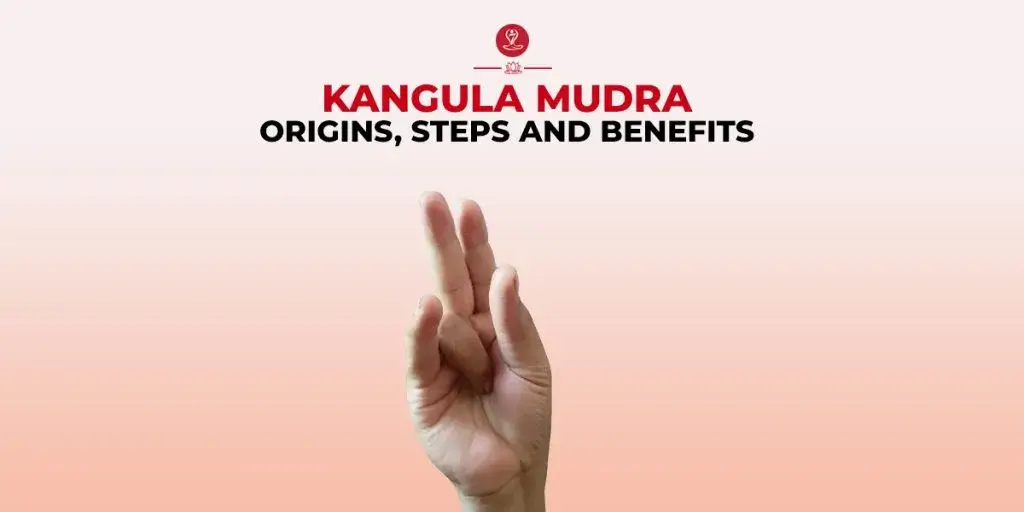
The Kangula Mudra is a symbolic hand gesture in yoga and meditation practices. Also known as the “Crow’s Beak” mudra, Kangula Mudra is believed to enhance concentration, focus, and mental clarity.
Like many mudras, Kangula Mudra is said to influence the flow of energy within the body, connecting specific energy channels and facilitating the flow of prana (life force).
It’s a subtle practice that can be incorporated into meditation or breathing exercises to deepen concentration and mindfulness.
Kangula Mudra Origins
The Kangula Mudra finds its roots in ancient texts such as the Natya Shastra and Abhinaya Darpana, which detail various mudras used in classical Indian dance like Bharatanatyam, Kuchipudi, and Odissi. In these texts, mudras are symbolic hand gestures used to convey emotions, stories, and ideas.
In classical dance forms, Kangula mudra carries its own narrative and emotional connotations, allowing dancers to convey intricate stories and expressions through hand gestures.
Kangula Mudra Steps And Benefits
Hand Gesture: Place both hands in front of the body, usually resting on the knees or thighs, palms facing upward or downward as per your comfort.
Tuck the ring finger inward toward the center of the palm.
Extend the thumb, index finger, and middle finger straight out.
The little finger remains extended along with the other fingers, touching their tips or slightly apart.
Body Posture: Gently close your eyes and be there for a few deep breaths. Keep your elbows, wrists, and palms aligned.
Breathing and Chanting: Hold your breath after inhaling and silently chant ‘Om’ in your mind. This step combines breath control and a meditative mantra for focus and relaxation.
Exhalation: Inhale slowly and exhale gently while drawing in the abdominal wall. Simultaneously, Focus on your inner self and inner strength while holding this Mudra.
Time & Duration: time when the mind is naturally calm, the atmosphere is serene, and the energies are conducive to spiritual activities. While the early morning is traditionally recommended, the most important aspect is consistency in practice rather than strictly to a specific time frame.
Benefits
Boosting Energy: Kangula Mudra is a hand gesture practiced in yoga and meditation, believed to offer various benefits. Let’s dive into each benefit:
Improving Digestion: This mudra is linked to supporting digestive health. Its practice is believed to stimulate the digestive fire (agni) and balance the elements associated with the stomach and digestive system.
Enhancing Concentration: Through its association with energy flow and balancing, Kangula Mudra is believed to aid in improving focus and concentration.
Promoting Inner Balance: By connecting different energy points, it aims to align and unify the various energies present within, fostering a sense of overall well-being and equilibrium.
Conclusion
Kangula Mudra offers a profound way to enhance creativity, emotional well-being, and physical health. By practicing this mudra, one can reduce stress, improve sleep quality, enhance digestion, and boost energy.
FAQ
Kangula Mudra is a traditional yoga hand gesture (hasta mudra) practiced during meditation and pranayama. It is believed to help balance energy, improve focus, and encourage relaxation as part of a regular yoga practice.
To perform Kangula Mudra, sit comfortably with a straight spine. Form the mudra by placing your fingers in the correct position according to the traditional method, rest your hands on your knees, and breathe slowly while maintaining the gesture for 10–20 minutes.
The best time is early morning during meditation or pranayama. However, you can also practice it in the evening or whenever you have a quiet environment and can focus comfortably.
Beginners can start with 10–15 minutes daily and gradually increase the duration to 20–30 minutes based on comfort and consistency.
Yes. Kangula Mudra is suitable for beginners because it is simple to learn and can easily become part of a daily yoga or meditation routine.
Kangula Mudra is generally safe when practiced gently. Avoid applying excessive pressure with your fingers, and stop if you experience discomfort. Consult a healthcare professional if you have any medical concerns.
Yes. Practicing Kangula Mudra during pranayama or meditation may help improve mindfulness and create a more focused yoga session.
