
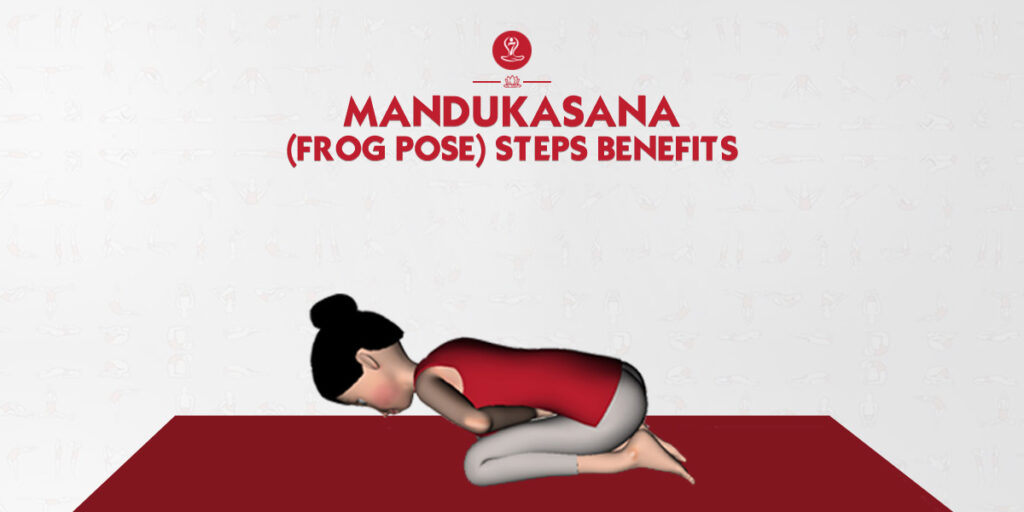
Most of us strive for a well-shaped and toned abdomen, which is a key indicator of physical fitness and vitality. Mandukasana, commonly known as Frog Pose, is an effective yogic posture designed to tone the abdominal region and support internal organ health. In Sanskrit, “Manduk” means frog and “Asana” means posture, reflecting the practitioner’s final sitting position.
Quick Summary & Key Benefits:
- Target Area: Core, Lower Back, Pancreas, and Abdominal Organs.
- Primary Uses: Managing diabetes, improving digestion, relieving constipation, and burning belly fat.
- Difficulty Level: Beginner to Intermediate.
Mandukasana is particularly recommended for individuals managing diabetes because the posture places direct pressure near the navel, stimulating pancreatic activity and insulin secretion. Below, you will find a step-by-step guide on how to perform Frog Pose safely, along with its full health benefits, preparatory poses, and safety contraindications.
You Can Also, Read- Bakasana | Uttanasana Yoga | Cat Yoga Pose Steps | Dhanurasana | Sukhasana |Downward Facing Dog | Gomukhasana | Trikonasana | Bitilasana | Bhujangasana | Balasana | VkrasanaYoga | Half Moon Pose | Virabhadrasana
How To Do Mandukasana (Step-by-Step Guide)
Time needed: 3 minutes
Follow these clear steps to perform Mandukasana (Frog Pose) safely and effectively for maximum abdominal tone and health benefits
- Sit in Vajrasana
Begin by sitting comfortably in <a href=”https://7pranayama.com/wp-admin/post.php?post=4388&action=edit#”>Vajrasana</a> (Thunderbolt Pose), which is a simple kneeling posture.
- Make Fists with Your Hands
Form a fist with both hands, making sure your thumb is tucked inside your four fingers.
- Place Fists at the Navel
Position your fists on the abdominal region on both sides of your navel.
- Exhale and Bend Forward
Exhale fully, gently pull your abdomen inward, and slowly bend forward while pressing your navel with your fists.
- Maintain Spine Straight and Look Ahead
Keep your back as straight as possible in the bent position and focus your gaze forward.
- Hold Your Breath
Keep your breath outside (exhaled state) and hold this posture for a comfortable period of time.
- Inhale and Release
To release, inhale slowly, raise your torso back up into the kneeling position, lower your hands to your sides, and relax.
- Repeat Sets
Repeat this entire sequence for 4 to 5 times for optimal results.
7 Best Benefits of Mandukasana( Frog Pose)
- It tones all of the organs that are situated in the abdominal region which also includes the stomach.
- It improves the pancreas and is quite beneficial for people suffering from diabetes.
- It also helps in relieving constipation.
- Helps alleviate menstrual discomfort.
- It also helps in reducing the extra belly fat along with extra fat on the waist as well as thighs, hence helping in reducing weight.
- It improves excretory as well as digestive functions.
- It provides a good stretch to the muscles of the back.
- It helps in relieving the pain in the legs, knees, and ankles.
Poses to Prep You for Mandukasana
- Cat-Cow Stretch: This gentle warm-up stretches the spine and hips, helping to prepare your body for deeper poses.
- Low Lunge: This pose stretches the hip flexors, hamstrings, and quadriceps, which are all important muscles to prepare for Mandukasana.
- Bound Angle Pose: This pose stretches the inner thighs and groins, which can help increase flexibility for Mandukasana.
- Child’s Pose: This restful pose gently stretches the hips, thighs, and ankles, and can help you relax and prepare for more challenging poses like Mandukasana.
- Garland Pose: This squatting pose stretches the hips, groin, and ankles, and can help build strength in the legs and lower back.
Contraindications for Mandukasana
- People who are suffering from back pain shouldn’t practice forward-bending poses in general. Hence they should avoid this asana.
- Those who have any type of knee or hips injury should also avoid this asana.
- People suffering from ulcer should avoid mandukasana.
- Pregnant women shouldn’t do this asana.
- In case the practitioner had any surgery recently of the chest, abdomen, legs or knees, he/she shouldn’t do this pose.
Conclusion
Mandukasana (Frog Pose) is a powerful yogic posture designed to help achieve a well-shaped, toned abdomen while supporting overall health. By stimulating and toning the entire abdominal region and internal organs, it serves as an effective pose for managing diabetes, enhancing digestion, and reducing extra belly fat. Incorporating proper preparatory poses like Cat-Cow or Low Lunge will help get your body ready, while keeping contraindications in mind ensures a safe practice. Practicing Mandukasana regularly provides lasting physical benefits for your strength, back, and digestive health.
Frequently Asked Questions About Mandukasana
Mandukasana, commonly known as Frog Pose, is an abdominal-toning yoga posture where the body resembles a sitting frog. The word originates from Sanskrit, where “Manduk” means frog and “Asana” means posture. It is widely practiced to stimulate abdominal organs and assist with diabetes management.
Mandukasana helps manage diabetes by placing targeted pressure on the abdominal area near the navel. This stimulation activates the pancreas, improving insulin production and secretion, which regulates blood sugar levels effectively.
You should avoid Mandukasana if you have severe back pain, knee or hip injuries, stomach ulcers, or recent surgeries in the chest, abdomen, or lower limbs. Pregnant women should also strictly refrain from performing this pose.
Mandukasana tones the abdominal organs, improves digestion and excretory functions, reduces belly and thigh fat, relieves constipation and menstrual discomfort, and stretches the lower back muscles.
