
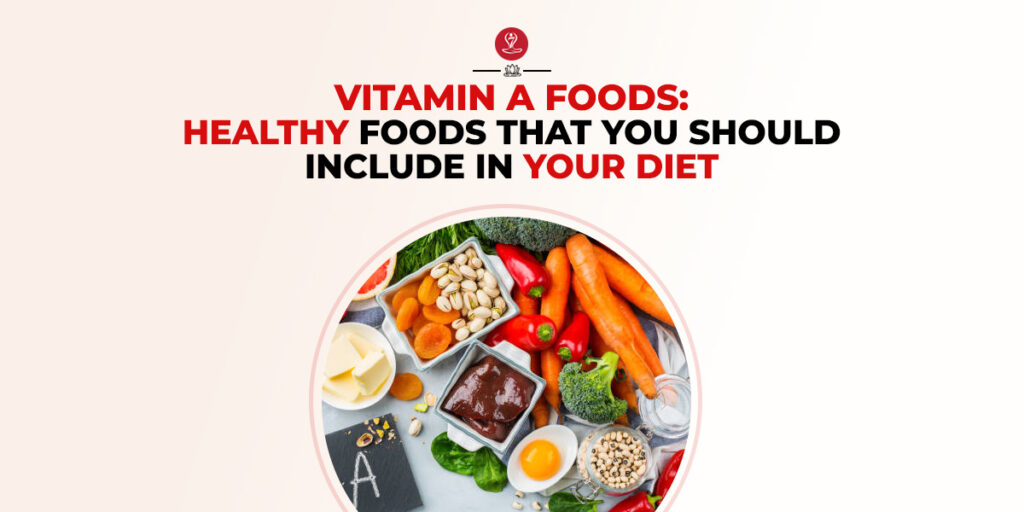
Vitamin A-rich foods are vital for overall health and well-being. They play an essential role in maintaining:
- Immune Strength : Acting as the body’s first line of defense
- Vision & Eye Health: Preventing night blindness.
- Reproductive Health
- Body Growth and Development
- Neurological Function
- Glowing Skin: Supporting cell turnover and acne prevention.
Deficiencies in Vitamin A can lead to serious issues such as night blindness, xerophthalmia (dry eyes), and malnutrition.
Understanding Vitamin A: Retinoids and Carotenoids
Vitamin A is a fat-soluble nutrient found mainly in two forms:
- Pro-Vitamin A (Carotenoids): Obtained from colorful fruits and vegetables. The most well-known is beta-carotene, which gives many plants their deep, bright colors.
- Active Vitamin A (Retinoids): Derived from animal sources and easily absorbed.
Best Plant-Based Sources of Vitamin A
1. Carrots (The Gold Standard)
Carrots are widely considered the best source of Vitamin A. Eating just one bowl of carrots daily provides 334% of your daily requirement. They are excellent for eye health and can be enjoyed raw in salads, cooked in savory dishes, or even prepared as a dessert like carrot pudding.
Tip: Combine raw carrots with a few walnuts or a drizzle of olive oil to increase the absorption of the beta-carotene.
2. Sweet Potato
Sweet potatoes are nutrient-dense and delicious. One medium sweet potato contains approximately 900 micrograms of Vitamin A, primarily from beta-carotene. They also provide Vitamin C, potassium, fiber, and iron.
3. Butternut Squash
While all winter squashes are healthy, butternut squash leads the pack with 153 mcg of Vitamin A per cup. It is also a good source of potassium, Vitamin C, and calcium.
4. Tomatoes
A staple in beauty treatments, tomatoes help heal large pores, treat acne, and revitalize dull skin. They are an excellent source of antioxidants, Vitamin C, and Vitamin A. Regular consumption may even help reduce the risk of skin cancer.
5. Red Bell Pepper
Unlike yellow or green varieties, red bell peppers are packed with nearly double the amount of Vitamins A and C. One medium pepper contains only 37 calories but provides 187 micrograms of Vitamin A, along with Vitamin B6 and beta-carotene.
6. Spinach
Spinach is a powerhouse of Vitamins A, C, and K. High in carotenoids that the body converts into Vitamin A, 100 grams of spinach provides 469 mcg (52% DV), which significantly benefits eye health.
7. Kale
Kale is a versatile leafy green perfect for salads or cooked dishes. It is incredibly effective at fulfilling Vitamin A needs; 100 grams of kale contains 681 mcg (76% DV) of Vitamin A.
8. Milk
Often called a “complete diet,” milk is rich in several essential nutrients. A daily glass of milk provides a sufficient quantity of Vitamin A, which is crucial for the healthy development of cells and bones in both children and adults.
Plant-based milks (like Soy or Almond) are often fortified plant-based milks with Vitamin A for those who are vegan.
9. Papaya
Papaya is a fantastic source of Vitamin A and skin-cleansing enzymes like papain. These enzymes act as natural exfoliators, while the Vitamin A content nourishes the skin and supports a healthy immune system.
10. Broccoli
Broccoli is a low-calorie, high-protein vegetable. Raw broccoli contains approximately 28.21 mcg of Vitamin A and 81.2 mg of Vitamin C, both of which are essential for skin health and a strong immune system.
Other Tips for Vitamin A rich foods
The “Fat-Soluble” Secret
To get the most out of your spinach or carrots, always eat them with a healthy fat like avocado, seeds, or cold-pressed oils. This can boost absorption by over 300%.
Signs of Vitamin A Deficiency
- Dry Skin & Acne: Anti-Acne Diet
- Bitot’s Spots: Small white patches on the eyes.
- Frequent Infections: A sign the immune system is low on Vitamin A.
Comparison Table for Quick Reference
| Vegetarian Food | Vitamin A (per 100g) | Main Benefit |
| Sweet Potato | 961 mcg | Energy & Digestion |
| Carrots | 835 mcg | Eyesight |
| Kale | 681 mcg | Bone Health |
| Spinach | 469 mcg | Immunity |
Conclusion
A well-planned vegetarian diet can easily meet all Vitamin A requirements. By focusing on deep orange and dark green vegetables, you can ensure your eyes, skin, and immune system remain in peak condition.
For more plant-based tips, check out our guide on Switching to a Plant-Based Diet.
Daily Recommended Intake:
- Men: 900 mcg | Women: 700 mcg | Children: 300–600 mcg
Pro-Tip: Since Vitamin A is fat-soluble, try eating these vegetables with a healthy fat (like olive oil or nuts) to significantly increase absorption!
FAQ
Which vegetarian food has the most Vitamin A?The Sweet Potato is one of the highest vegetarian sources, providing about 900 mcg of Vitamin A per medium potato. Carrots follow closely, offering over 300% of your daily requirement in a single serving.
How can vegetarians increase Vitamin A absorption?Since Vitamin A is fat-soluble, you must eat it with a source of healthy fat. Adding avocados, nuts, seeds, or olive oil to your vegetables can increase the absorption of beta-carotene by more than 3 times.
What are the symptoms of Vitamin A deficiency in vegetarians?Common signs include night blindness, dry eyes (xerophthalmia), frequent viral infections, and skin issues like persistent acne or dry, bumpy skin.
Is milk a good source of Vitamin A for vegetarians?Yes, for lacto-vegetarians, milk and fortified dairy products are excellent sources of “active” Vitamin A (retinol), which helps in the healthy development of bones and cells.
Can you get too much Vitamin A from vegetables?It is very rare to get “Vitamin A toxicity” from plant sources. The body only converts as much beta-carotene into Vitamin A as it needs. However, consuming extreme amounts of carrots may temporarily turn the skin slightly orange (carotenemia), which is harmless.
