
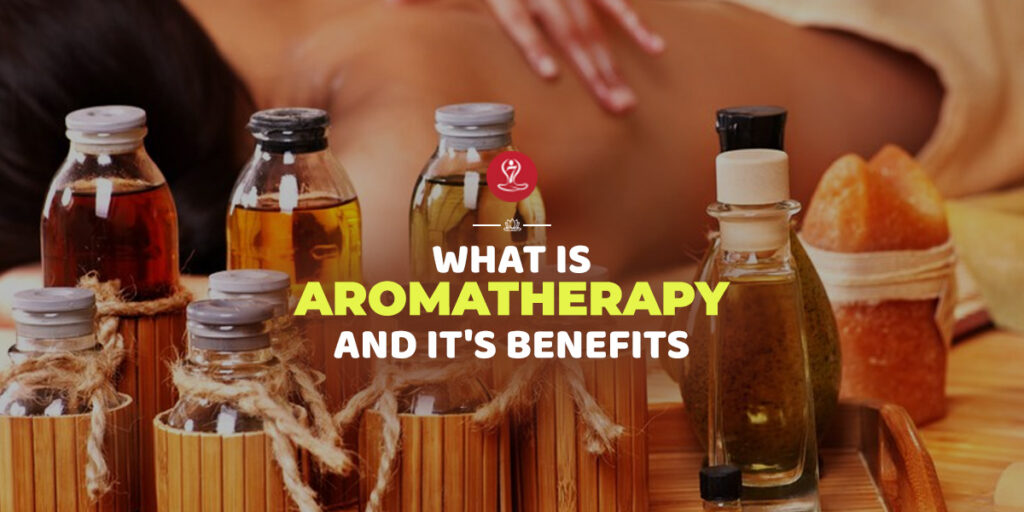
Aromatherapy is more than just pleasant fragrance—it is a therapeutic practice that uses concentrated plant extracts (essential oils) to influence the body and mind.
In traditional wellness systems, including Ayurveda, natural aromas have long been used to balance mood, support relaxation, and promote overall well-being. Modern aromatherapy follows a similar principle: specific scents interact with the nervous system, helping reduce stress, improve sleep quality, and enhance mental clarity.
Unlike synthetic perfumes, aromatherapy focuses on the functional benefits of natural oils, making it a holistic approach to daily wellness.
It can be offered as complementary medicine or alternative medicine. Complementary therapy can be offered alongside standard treatments, alternative medicine is offered instead of traditional, evidence-based therapies.
Aroma Therapy is a beneficial medical method of treating a variety of ailments using natural oils. Aromatherapy is considered both an art and a science. But there is no good medical evidence that aromatherapy can either prevent or cure any disease, but it can help improve general well-being.
What is Aromatherapy?
Aroma means fragrance and therapy mean healing. That is treatment by fragrance.
Aromatherapy is a holistic healing practice that uses natural plant extracts, known as essential oils, to promote physical, mental, and emotional well-being. These essential oils are derived from various parts of plants, including flowers, leaves, bark, stems, and roots. Aromatherapy has been used for centuries in different cultures around the world for its therapeutic properties.
To uses of essential oils it is sometimes called essential oil therapy.
The use of aromatherapy is often associated with relaxation, stress relief, mood enhancement, and overall well-being. Different essential oils are believed to have specific properties that can impact emotions, cognitive function, and even physical health.
The essential oils used in aromatherapy can be inhaled, applied to the skin through massage or diluted in bathwater. When inhaled, the aromatic molecules stimulate the olfactory system and, in turn, affect the limbic system of the brain, which is associated with emotions, memories, and behaviors. This is thought to be one way in which aromatherapy can have a positive impact on mood and stress levels.
For example, lavender is often used for relaxation and sleep, while peppermint is associated with increased alertness and mental clarity.
It is known to have both physical and psychological benefits. As with any bioactive substance, an essential oil that may be safe for the general public, but may pose a danger to pregnant and lactating women.
What Are Essential Oils?
Essential oil is extracted from particular plants. that is obtained by different extraction methods. Different parts of plants can be used depending on the required oil recovery. Plant flowers are commonly used to obtain the most and aromatic oils. But apart from flowers, other parts such as leaves, bark, roots, skin peels, and petals, etc. are also used.
Essential oil is also commonly called volatile oil. Essential oil is a completely natural product. These oils have been used since ancient times in medicine, cosmetics, perfumes, food and various types of medical systems.
Essential oil is a completely natural product. It is 80 percent of the properties of the plant from which it is obtained, which is very powerful. These natural oils are very effective. But it is not at all favorable that it does not cause damage. It also has side effects if not used with caution.
Most Popular Aromatherapy Essential oils
- Sandalwood Oil
- Clary sage
- Jasmine Oil
- Lemon Balm Oil
- Juniper berry Oil
- Rosemary Oil
- Patchouli Oil
- Copaiba Oil
- Bergamot Oil
- Peppermint Oil
- Tea tree Oil
- Jojoba Oil
- Mandarin Oil
- Ylang Ylang Oil
- Neroli Oil
These essential oils help reduce side effects during aromatherapy.
Aromatherapy and Ayurveda Connection
In Ayurveda, natural fragrances have been used to balance the body’s energies (doshas). Certain essential oils are believed to calm the mind (Vata), reduce heat (Pitta), or energize the body (Kapha).
Combining aromatherapy with yogic practices like pranayama can enhance its overall effectiveness and create a deeper sense of relaxation.
How to Use Aromatherapy in Daily Life
The main job of an aromatherapy specialist is to treat various diseases of humans by extracting various essential oils and other aromatic plants. Essential oil under aromatherapy is used in the following ways.
Inhalation: This can be done by inhaling the aroma directly from the bottle, using a diffuser, or adding a few drops of essential oil to a bowl of hot water.
Topical application: Essential oils can be diluted with a carrier oil and applied to the skin through massage, compresses, or added to bathwater.
Diffusion: Aromatherapy diffusers disperse essential oils into the air, allowing you to inhale the scent throughout a room.
Spritzers and room sprays: Essential oils can be diluted with water and sprayed into the air as a room freshener or onto linens.
Body oils, Creams, or Lotions for massage or topical application, clay masks, facial steamers, aromatic spritzers also be used.
What Are Aromatherapy Benefits?
Actually, when scent extracts are used on the body, it affects the brain and nervous system of the human being and the man feels relaxed. In this, not only physical problems are treated, but also mental and emotional problems are eliminated.
- This method is a very effective treatment to relieve stress and fatigue and increase the functioning of the brain. During this treatment, the brain gets a lot of peace. Stress disappears immediately with oil malicious with fragrant flowers.
- Aromatherapy also makes the immune system strong. This method of treatment has been in use for years.
- Aromatherapy not only brings glow on the skin, but the skin becomes very soft after this therapy. It brings a natural glow to the face. Aromatherapy reduces facial dryness forever.
- The alternative medicine method has described several methods for relieving joint pain and arthritis, one of them being aromatherapy.
- By this, communication of energy takes place in the body and the body becomes active. It makes the body energetic.
- Aromatherapy done before going to sleep at night helps in getting good sleep and also provides adequate nutrition to your hair.
- In particular, it is called “aromatherapy cosmetics”, active relaxation and refreshing effects due to plant fragrance have also appeared in cosmetics.
Safety Tips for Using Aromatherapy
- Always dilute essential oils before applying to the skin
- Avoid direct contact with eyes and sensitive areas
- Perform a patch test before regular use
- Consult a professional if you have allergies or medical conditions
Using aromatherapy correctly ensures both safety and effectiveness.
Conclusion
Aromatherapy is a natural healing method that uses natural plant extracts and oils to promote health or mood.
while many people find aromatherapy beneficial, scientific evidence on its efficacy for specific health claims is sometimes limited. Individual responses to aromatherapy can vary, and it’s advisable to use essential oils with caution, especially in cases of allergies or sensitivities. Always follow proper dilution guidelines and consult with a doctor if you have any concerns or pre-existing health conditions.
Frequently Asked Questions (FAQs)
Aromatherapy is a natural therapy that uses essential oils extracted from plants to support physical and mental well-being. It works mainly through inhalation, where aroma molecules stimulate the brain’s limbic system, influencing emotions, stress levels, and relaxation.
Aromatherapy is commonly used to reduce stress, improve sleep quality, enhance mood, increase focus, and support minor pain relief. Regular use can contribute to overall wellness.
Lavender oil is one of the most popular choices for stress relief due to its calming properties. Other effective options include sandalwood and chamomile.
Yes, aromatherapy can enhance yoga and meditation practices by creating a calming environment and improving focus and relaxation.
