

There are four dimensions to our life: Karma, Kriya, Bhakti, and Gnana. Any yoga practice falls under these four dimensions. Bhakti-yoga relates to emotions, Gnana yoga to the intellect, Karma yoga to the body, and Kriya yoga, an ancient meditation technique, to life energy. Yogic Kriyas are essential practices that accelerate spiritual development and purify the body and mind.
What are Yogic Kriyas?
The word ‘Kriya’ means mobility. Kriya Yoga is an ancient yoga method revived around 1861 by Lahiri Mahasaya, a disciple of Mahavatar Babaji. This technique accelerates spiritual development and includes both life practices and additional meditation practices. Kriya yoga asanas combine Pranayama, Mudra, Bandha, Chakra, Prana, and Mantra Chanting.
Benefits of Yoga Kriyas
Yogic Kriyas, also known as Shuddhi-Kriya, Saucha, and Shatkarma, cleanse the internal organs, promoting health and accelerating human development. These kriyas should follow asana and pranayama. Despite their difficulty, kriyas provide immediate benefits. There are six types of yoga kriyas that help prepare the body internally.
Types of Yogic Kriyas
Trataka Kriya for Eyesight
Constantly gazing at an object or point, Trataka Kriya is an eye exercise that improves vision.
How to Do:
- Sit comfortably in Sukhasana without moving.
- Close your eyes for a few seconds.
- Open your eyes and gaze at a specific object, like a candle, placed at eye level two to three feet away.
- If your eyes burn or tear up, blink and stop.
- Rub your palms to warm them and place them over closed eyes.
Benefits:
Strengthens eye muscles, improves eyesight, memory, and concentration.
Neti Kriya for Upper Nasal Tract
Neti Kriya, also known as Jala Neti or Saline Nasal Irrigation, cleanses the nasal passages.
How to Do:
- Use a neti pot with lukewarm saline water.
- Sit down with legs apart, bend forward, and tilt your head down.
- Pour water into one nostril, letting it flow out the other.
- Repeat with the other nostril.
Benefits:
Destroys nasal bacteria, treats nose diseases, prevents premature graying of hair, cures insomnia, and sharpens eyesight.
Kapalabhati Kriya for Lower Respiratory Tract
Kapalabhati involves rapid, forceful exhalation and normal inhalation.
How to Do:
- Sit in a comfortable position.
- Perform rapid, forceful exhalations with normal inhalations.
Benefits:
Cleanses cranial sinuses, improves concentration, reduces hernia risk, enhances skin glow, awakens Kundalini Shakti, and purifies nerves.
Dhauti Kriya for Digestive Tract
Dhauti, part of Hatha Yoga, involves internal cleansing.
How to Do:
- Use a fine cotton cloth, soaked in salty lukewarm water.
- Sit with legs apart.
- Swallow the cloth slowly, drinking water simultaneously.
- Carefully remove the cloth.
Benefits:
Eliminates diseases, strengthens the body, enhances digestion, cures constipation, gas, piles, and purifies the upper respiratory tract.
Vasti/Basti Kriya for Lower Digestive Tract
Vasti Kriya cleanses the lower abdomen and digestive system.
How to Do:
- Sit in a tub of water reaching the navel.
- Suck water through the anus into the stomach.
- Perform Uddyayanbandh and expel the water.
Benefits:
Cures Vata, Pitta, Kapha disorders, improves abdominal muscle tone, and treats digestive disorders and constipation.
Nauli Kriya for Abdominal Muscles and Internal Organs
Nauli Kriya involves navel movements and is crucial for stomach health.
How to Do:
- Perform Uddhiyana Bandha, pulling the navel inside.
- Move the abdominal muscles left (Vamanauli) and right (South Nauli).
- Keep muscles in the middle and churn them quickly (Madhyama Nauli).
Benefits:
Increases appetite, relieves liver, spleen, and stomach diseases, and promotes overall health.
FAQ on Yogic Kriyas
Q: Can anyone practice Yogic Kriyas?
A: While most people can practice Yogic Kriyas, it is important to learn the techniques from a qualified yoga teacher. Some practices, such as Dhauti, require a certain level of physical and mental preparation and should be learned under the guidance of an experienced teacher.
Q: Are there any precautions to take while practicing Yogic Kriyas?
A: Yes, some precautions to take while practicing Yogic Kriyas include starting slowly and gradually increasing the intensity of the practice, avoiding practicing on a full stomach, and avoiding forceful or excessive practices. If you have any health conditions, it is important to consult with your doctor before starting any new yoga practice.
Q: How often should I practice Yogic Kriyas?
A: The frequency of practice varies depending on the individual’s needs and goals. Some practitioners may benefit from daily practice, while others may only practice a few times a week. It is important to listen to your body and adjust the frequency of practice accordingly.
Q: Do I need any special equipment or props to practice Yogic Kriyas?
A: Some practices, such as Jala Neti and Sutra Neti, require a neti pot or a special string. Other practices, such as Kapalbhati and Trataka, do not require any special equipment or props.
Q: Can Yogic Kriyas help with weight loss?
A: While Yogic Kriyas are not specifically designed for weight loss, they can be a beneficial part of a weight loss program by improving digestion, boosting metabolism, and reducing stress levels.
Q: Can Yogic Kriyas help with sleep problems?
A: Yes, some Yogic Kriyas, such as Shavasana and Yoga Nidra, are specifically designed to promote relaxation and improve sleep quality. Regular practice of these techniques can help reduce stress and anxiety, which are often underlying causes of sleep problems.
Q: Can Yogic Kriyas be practiced during pregnancy?
A: Some Yogic Kriyas can be practiced during pregnancy with modifications, while others should be avoided. It is important to consult with a qualified yoga teacher who has experience working with pregnant women to determine which practices are safe and beneficial during pregnancy.
Conclusion
Yogic Kriyas, practiced under expert guidance, purify the body and mind, enhance spiritual growth, and promote health. Through these ancient techniques, one can achieve internal cleansing, improved concentration, and overall well-being.
RELATED ARTICLES

Jan 30, 2026
The Three Nadis Explained in Simple Words
Prana Breath is the universal vital energy that is literally the thing of life. For all of us who practice[...]

Dec 08, 2025
Jnana Yoga: The Path of True Inner Wisdom
Jnana Yoga is a key part of ancient Hindu philosophy. It teaches that many paths can lead to enlightenment, personal[...]
Nov 21, 2025
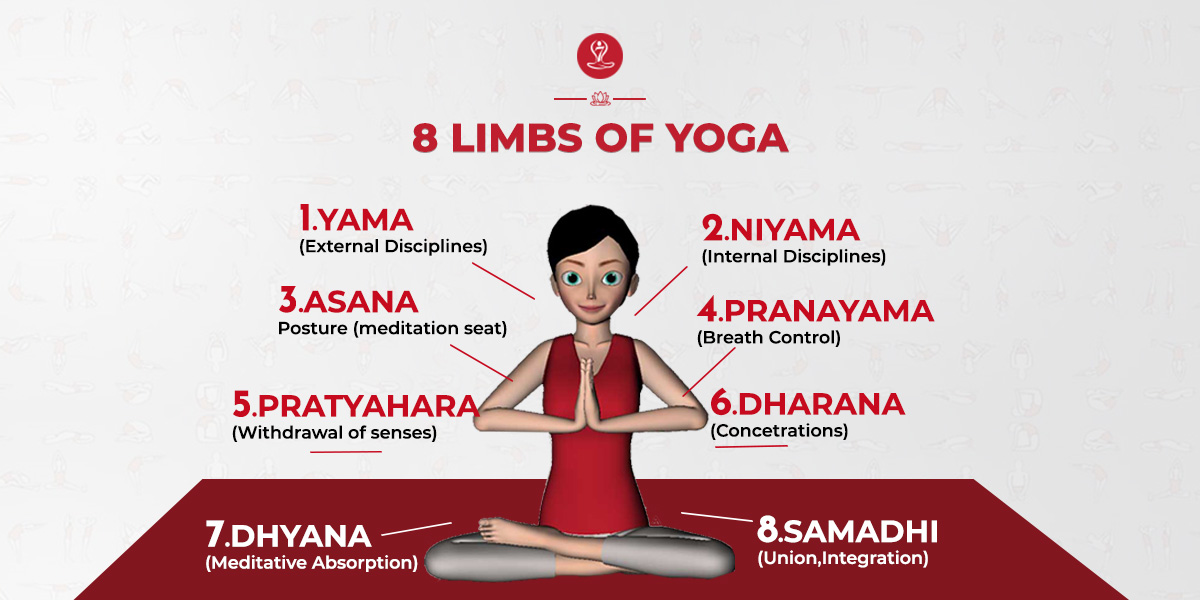
From Yama to Samadhi: Everything About the 8 Limbs of Yoga
The renowned Yoga Sutras of Patanjali outline the 8 limbs of yoga, each offering profound guidance on living a purposeful[...]
RECENT POSTS


Disclaimer
The content is purely informative and educational in nature and should not be construed as medical advice. Please use the content only in consultation with an appropriate certified medical or healthcare professional