
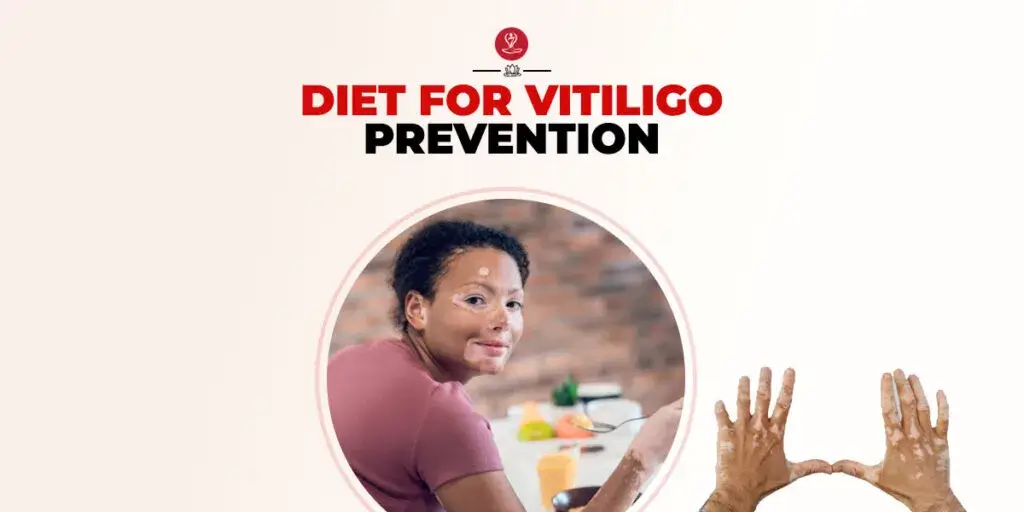
Along with staying healthy, eating the right foods plays an important role in fighting diseases. The same applies to vitiligo, a condition characterized by irregular white patches on the skin. Proper medication, along with a healthy lifestyle and a vitiligo-friendly diet, can help prevent recurrence and reduce the risk of the condition worsening.
Vitiligo is a type of skin disorder, also known as leucoderma. It causes milky-white patches or spots to appear on the skin and can affect anyone. In some cases, these white patches may gradually spread to other areas of the body. Vitiligo is not a contagious disease, so there is no risk of it spreading from one person to another.
The question now is whether nutrition plays a role in the prevention of vitiligo. There is no specific or prescribed diet for vitiligo. However, Vitiligo Support International suggests that people with this genetic condition should consume a nutrient-rich diet and drink plenty of water. Immune-boosting foods that contain beta-carotene, antioxidants, and phytochemicals are believed to support overall health and may help when used alongside various home remedies.
In this article, we will know what the Vitiligo diet plan or white spots.
Symptoms of Vitiligo
The most prominent symptom of vitiligo is the formation of white spots on the skin. However, in some cases, the spots may be pale pink, gray, or even brown in color. Premature graying of the hair of the head, beard, mustache, or eyebrows can also be a symptom of vitiligo. However, in most cases, vitiligo causes white spots on the following parts of the body –
- Where the skin folds, such as the armpits and neck, etc.
- Past injury
- Areas of the skin that are more exposed to the sun
- Around the mole and wart
Diet for Vitiligo Prevention
Although the officially prescribed “vitiligo diet” is not definitive, eating a healthy diet full of good nutrients may improve or worsen your vitiligo.
Vitamins and minerals play an important role in curing and enhancing the problem of vitiligo or white spots. In a research published in this regard, it has been given that people suffering from white spots are deficient in antioxidants, vitamin-E, and vitamin-C and have an excess of oxidative stress. This increases the risk of oxidative damage, which can lead to vitiligo, i.e., leucoderma.
Foods that can be included in the vitiligo diet are:
- Antioxidants- Contains ample amounts of fruits and vegetables to keep you fresh and active, and protect you from any allergies. It also helps the body to get rid of particles.
- Vegetables- Need to take fresh green vegetables, which include French beans, radish, carrot, spinach, drumstick, etc.
- Fruits – This includes mangoes, grapes, walnuts, dates, etc.
- Other food items include wheat, pure ghee, almonds, potatoes, etc.
However, there are no medically recognized foods for vitiligo that worsen the condition.
Vitamins for Vitiligo Prevention
Oxidative stress can be prevented from increasing by supplementing with antioxidants through certain vitamins and minerals. Vitamins A, C, B-12 or folic acid, B-2, niacin, copper, beta-carotene, ginkgo Biloba, amino acids, enzymes, and folic acid may be beneficial for this. At the same time, manganese, selenium, and iodine are considered beneficial minerals.
Foods to Avoid in Vitiligo
Foods that can be avoided are:
Orange, cilantro, guava, pomegranate, pears, gooseberries, cashew, papaya, tomato, garlic, and citrus. Some milk products should be avoided: milk, curd, and buttermilk.
Non-vegetarian foods can be avoided.
Along with these foods, such as fish, red meat, and junk food, it is also advisable to avoid them so that the disease can be cured soon.
Everyone’s body is unique, and some individuals experience adverse reactions when they consume certain foods.
Conclusion
People with vitiligo will have two types of body color. Consulting a skin doctor and following a proper vitiligo diet can prevent it from getting worse. It takes a long time to recover, so people need immense patience to recover completely. There are certain foods that you can potentially treat and experience negative reactions when eating certain types of foods.
FAQ
A balanced diet rich in fruits, vegetables, whole grains, nuts, seeds, and lean proteins may help support overall skin health and provide essential nutrients that the body needs for normal functioning.
Foods rich in antioxidants, vitamins B12, C, E, folate, zinc, and copper are commonly recommended. These nutrients can be found in leafy greens, berries, citrus fruits, nuts, seeds, and legumes.
No. There is currently no scientific evidence that any diet can cure vitiligo. However, healthy eating habits may support overall wellness and complement medical treatments.
There is no universal list of foods to avoid. Some people choose to limit highly processed foods, excessive sugar, and unhealthy fats as part of an overall healthy lifestyle.
Vitamin B12 plays an important role in overall health and is often discussed in relation to skin wellness. Good dietary sources include dairy products, eggs, fish, and fortified foods.
Antioxidants help protect cells from oxidative stress. Eating antioxidant-rich foods such as berries, leafy greens, nuts, and colorful vegetables may support overall health.
