
Table of Contents
- Introduction to Sirsasana
- Step-by-Step Guide
- 11 Effective Benefits
- Precautions and Safety
- Conclusion
- Frequently Asked Questions (FAQ)
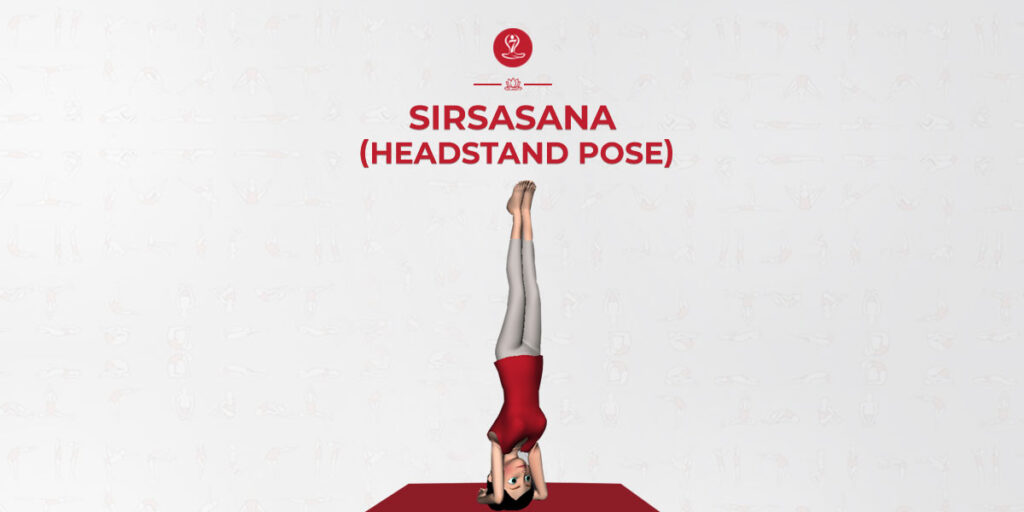
Sirsasana name is derived from the Sanskrit, Sirsa means the head or asana means the yoga pose or posture. it is pronounced like shir-saa sh naa. it also is known as a Headstand yoga pose. Which is hold great importance in yoga postures.
In Headstand weight of the whole body is balanced on the head.
Introduction to Sirsasana
Sirsasana nicknamed is “King of all asana” due to containing diversified health benefits. However, This yoga pose should be practiced very carefully. We will advise that beginners should start with the support of the wall using the below steps. Regular practice will make you expert in this pose.
| Feature | Correct Details |
| Sanskrit Name | Sirsasana (or Shirshasana) |
| Pronunciation | (shir-shaa-sa-nah) |
| Meaning | “Sirsa” means Head; “asana” means pose |
| Pose Type | Inversion |
| Pose Level | Advanced (Intermediate for some variations) |
| Yoga Style | Hatha Yoga, Vinyasa, Iyengar |
| Other Names | Headstand, Salamba Sirsasana |
| Stretches | Neck, spine, and shoulders |
| Strengthens | Core, shoulders, arms, and neck |
| Duration | Beginners: 10–30 seconds; Advanced: 1–5 minutes |
How to do Headstand (Sirsasana)?
- To begin, sit in Vajrasana on the sticky mat or use a folded blanket.
- Now, move Balasana(Child pose) with your two fists stacked and forehead between both fists. and kneel down.
- Interlock the fingers tightly, the hand should be coupled kind of equilateral triangle. (It’s a base crown for your head support).
- By moving the knees towards the head, bring your head between the palm of the hands. while keeping forearms on the mat.
- Raise your buttocks with the knees from the floor.
- Now, slowly rise to perpendicular your legs upwards from the floor. and ensuring that Your back should be straight.
- Close the eyes by breathing slowly and deeply
- In this final pose to stay focus on breathing as much as possible. as a beginning, practitioner stays only for 10 seconds. after a good practice, you can increase time.
- Now slowly release pose to come back bend your knees and lower down your legs one by one.
- Rest in Balasana (Child pose).
11 Effective Benefits of Headstand (Sirsasana)
- It increases both physical and mental stability.
- This asana massages to regulate abdominal, improve digestion and appetite.
- It helps reduce fat in the body or weight loss.
- This asana also helps to totally calm the brain and also relieves mild depression and stress.
- kidneys and liver are activated to daily practicing.
- The thighs, knees, shoulder, and arms become strong.
- This asana destroys all diseases and is especially helpful for Menstrual pain, Constipation, Fatigue life, back pain, depression.
- Practicing this asana regularly Feet, abdominal and back muscles also too excellently.
- It also assists in making the legs, shoulder, back, and hips much more flexible.
- Strengthens the abdominal part, legs, knees, and shoulder.
- This asana helps improve body posture.
Precaution of Headstand (Sirsasana)
- Avoid this asana if you have low blood pressure and weak blood vessels in the eyes.
- It must be avoided suffering from headaches, a neck injury and Back injury.
- A woman should be avoided this asana if they are not comforted in menses.
- A pregnant woman must avoid practicing this asana. they can Practice only under the supervision of a certified yoga instructor.
Conclusion
Sirsasana, rightfully nicknamed the “King of all Asanas,” is a powerful posture that offers a wide range of physical and mental rewards—from boosting core strength to relieving stress. While its benefits are vast, it requires a foundation of patience and proper technique. By following the step-by-step guide and respecting the necessary precautions, you can safely integrate this royal pose into your wellness journey. Always remember to rest in Balasana (Child’s Pose) immediately after to allow your blood pressure to East back to normal.
FAQ
As a beginner, it is recommended to hold the pose for only 10 seconds. You can gradually increase the duration as your strength and balance improve.
It is generally advised that women avoid this asana if they are not comfortable during their menses.
Yes, regular practice can make you an expert and help you reap the full benefits, such as improved digestion and mental stability. However, always listen to your body and avoid it if you have injuries.
Absolutely. Beginners are encouraged to start with the support of a wall to ensure safety while building the necessary core and arm strength.
