
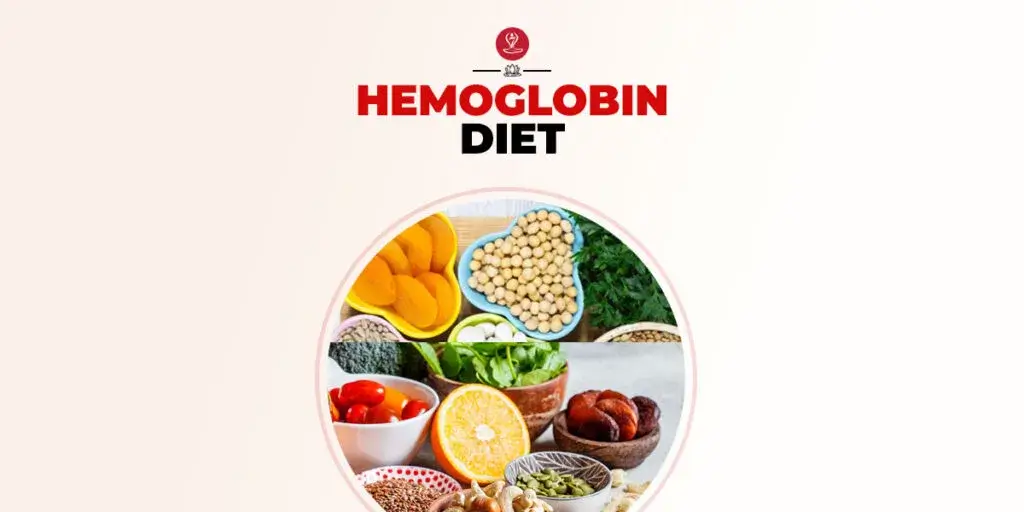
If you’ve been feeling unusually tired, dizzy, or short of breath, your body might be signaling that your hemoglobin levels need attention. This is where a hemoglobin diet comes into play. Hemoglobin is the iron-rich protein in your red blood cells responsible for carrying oxygen from your lungs to every part of your body. When levels drop, your entire system feels the strain. A well-planned hemoglobin diet focuses on providing your body with the specific nutrients it needs—like iron, vitamin C, and folate—to support healthy red blood cell production and restore your energy naturally.
Medical guidelines suggest that healthy adult men should maintain a hemoglobin count of at least 13.5 grams per deciliter, while women should aim for around 12 grams per deciliter. If your numbers fall below this, adopting a hemoglobin diet is one of the most effective and natural ways to bring them back up.
In this article, we’ll break down exactly what a hemoglobin diet looks like, the best foods to include, and the common reasons your levels might be low in the first place.
Why Do Hemoglobin Levels Drop?
Before diving into the solution, it’s important to understand the problem. Low hemoglobin is often a sign that your body is lacking the essential building blocks for blood production. Here are the most common causes:
- Nutritional Deficiencies: A lack of iron, vitamin B12, or folate is the primary driver of low hemoglobin. These nutrients are the core components of a successful hemoglobin diet.
- Blood Loss: This can range from heavy menstrual periods to blood loss from surgery, injury, or frequent blood donation.
- Pregnancy: The body’s blood volume expands during pregnancy, which can dilute hemoglobin levels if nutrient intake doesn’t keep pace.
- Chronic Conditions: Issues like advanced kidney disease, hypothyroidism, or certain autoimmune disorders can interfere with red blood cell production.
- Medications: Some prescriptions can lower hemoglobin as a side effect.
For many people, the most effective and natural way to address this is by committing to a consistent hemoglobin diet.
Building an Effective Hemoglobin Diet Plan
A hemoglobin diet isn’t about eating one specific “magic” food. It’s about combining the right nutrients—iron, vitamin C, folate, and B-vitamins—to give your body the tools it needs to build healthy blood cells. Here’s what to add to your plate.
1. Leafy Greens: The Foundation of a Hemoglobin Diet
Dark, leafy greens should be a staple in any hemoglobin diet. They are rich in non-heme iron (plant-based iron) and many also contain vitamin C, which helps your body absorb that iron more effectively.
Make these greens a daily habit:
- Spinach: Add it to smoothies, omelets, or pasta dishes.
- Kale and Collard Greens: Sauté them with garlic or add to soups.
- Broccoli and Cabbage: Easy to roast or steam as a simple side.
- Mustard Greens and Celery: Perfect for adding a nutrient boost to salads.
2. Meat and Poultry: Highly Absorbable Iron
For those who include animal products in their diet, meat and poultry are powerful allies. The iron found in meat (heme iron) is absorbed more easily by the body than iron from plants. Including lean cuts of beef, lamb, or chicken in your hemoglobin diet can quickly help replenish iron stores.
3. Beans and Lentils: Versatile and Nutrient-Dense
Beans and lentils are the workhorses of a plant-based hemoglobin diet. They are packed with iron, protein, and fiber, making them both satisfying and effective.
The best options for your hemoglobin diet include:
- Kidney beans and black beans
- Chickpeas and pinto beans
- Soybeans and black-eyed peas
For an extra nutrient boost, try eating them sprouted. Sprouting increases the concentration of protein and iron, making every bite more beneficial.
4. Nuts and Seeds: The Perfect Hemoglobin Diet Snack
Nuts and seeds are a convenient way to stay on track with your hemoglobin diet throughout the day. They are dense with iron, healthy fats, and magnesium.
Keep a small portion of these handy:
- Cashews and pistachios
- Pumpkin seeds and sunflower seeds
- Pine nuts
5. Fruits That Power Your Hemoglobin Diet
Certain fruits are celebrated for their ability to boost blood health and should be a regular part of your hemoglobin diet.
- Pomegranate: Rich in iron, calcium, and vitamin C, pomegranate supports the body’s natural production of red blood cells.
- Beetroot: This vibrant root is packed with iron, folic acid, and vitamin C. It’s a triple threat for anyone following a hemoglobin diet. Enjoy it raw in salads, roasted, or juiced.
- Dry Raisins: Black raisins, in particular, are a concentrated source of iron and B-vitamins, making them a simple addition to your morning oatmeal or yogurt.
6. The Vitamin C Rule: A Non-Negotiable for Your Hemoglobin Diet
Here’s a critical tip for anyone on a hemoglobin diet: always pair your iron-rich foods with vitamin C. This simple step can dramatically increase how much iron your body actually absorbs.
Squeeze fresh lemon juice over your lentil soup. Have an orange for dessert after a spinach salad. Snack on guava, which is naturally high in both iron and vitamin C. This pairing strategy is what separates a good hemoglobin diet from a great one.
7. Fenugreek: A Traditional Hemoglobin Booster
Fenugreek leaves and seeds are a wonderful addition to a hemoglobin diet, especially in Indian cooking. They are rich in iron and have been traditionally used to support red blood cell production. You can soak the seeds overnight and eat them in the morning, or add fresh fenugreek leaves (methi) to your vegetable dishes.
The Full-Body Benefits of a Hemoglobin Diet
Sticking to a hemoglobin diet doesn’t just improve your blood work; it has a positive impact on your overall well-being.
- Supports Red Blood Cell Production: It provides the raw materials your body needs to create healthy blood cells.
- Improves Iron Absorption: By strategically combining nutrients, your body becomes more efficient at using the iron you consume.
- Boosts Energy Levels: When oxygen delivery improves, fatigue fades, and energy returns.
- Strengthens Bones and Teeth: Many foods in a hemoglobin diet are rich in calcium and other bone-supporting minerals.
- Aids in Wound Healing: Key nutrients like vitamin C and zinc are vital for tissue repair.
- Supports Long-Term Health: A diet rich in whole foods, leafy greens, and nuts is linked to a lower risk of chronic issues like heart disease.
Final Thoughts
Boosting your hemoglobin isn’t about a quick fix. It’s about committing to a consistent hemoglobin diet that provides a steady stream of iron, vitamins, and other essential nutrients. By filling your plate with a variety of leafy greens, proteins, nuts, and fruits—and remembering to pair them with vitamin C—you give your body the support it needs to build healthy blood and keep your energy levels high.
If you suspect your levels are very low, it’s always a good idea to speak with a healthcare provider for personalized advice. But for most people, a well-planned hemoglobin diet is the most natural and effective path to better blood health.
Conclusion
A healthy hemoglobin diet includes a variety of iron-rich foods along with vitamin C, folate, vitamin B12, and protein-rich ingredients that support red blood cell production. By choosing nutrient-dense foods such as leafy greens, legumes, fruits, seeds, and lean proteins, you can help maintain healthy hemoglobin levels and overall wellness. Consistency, balanced nutrition, and healthy lifestyle habits are key to supporting long-term blood health.
FAQ
Foods rich in iron, folate, and vitamin B12 can help support healthy hemoglobin levels. Good options include spinach, lentils, beans, beetroot, pomegranate, dates, pumpkin seeds, eggs, fish, and lean meats.
Pomegranate is one of the most popular fruits associated with hemoglobin support. Other beneficial fruits include oranges, guava, kiwi, strawberries, and amla because their vitamin C content helps improve iron absorption.
Yes. Vegetarians can support healthy hemoglobin levels by consuming iron-rich foods such as lentils, chickpeas, beans, spinach, tofu, nuts, seeds, and fortified cereals while pairing them with vitamin C-rich foods.
Beetroot contains iron, folate, and antioxidants that support healthy blood production. While it may contribute to a hemoglobin-friendly diet, it should be combined with other nutrient-rich foods for best results.
Avoid consuming tea, coffee, and calcium-rich foods immediately after iron-rich meals, as they may reduce iron absorption. Highly processed foods should also be limited.
The timeline varies depending on the cause of low hemoglobin, dietary habits, and overall health. Consistent intake of iron-rich foods and proper nutrition may support gradual improvement over several weeks or months.
Pomegranate juice contains iron, vitamin C, and antioxidants that may support healthy blood health when consumed as part of a balanced diet.
Vitamin C helps the body absorb non-heme iron from plant-based foods more effectively, making it an essential nutrient for maintaining healthy hemoglobin levels.
