
Popcorn is one of the world’s most popular healthy snacks and a classic favorite at movie theaters. When prepared the right way, it offers impressive health benefits, providing essential nutrients while remaining low in calories.
However, it’s important to be mindful before taking a bite. Depending on how popcorn is prepared, it can be either a wholesome, nutritious snack or an unhealthy indulgence loaded with excess fat, salt, and additives.
What is Popcorn?
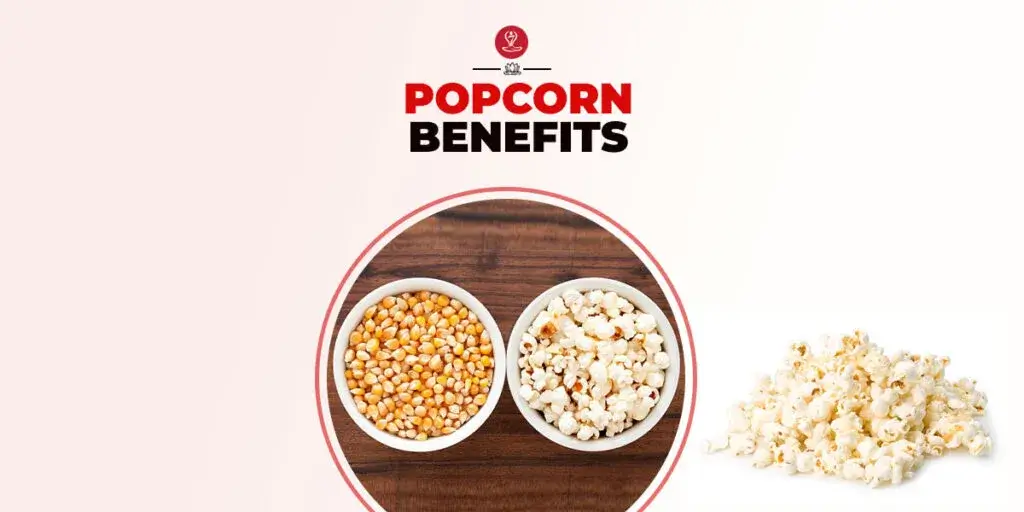
Popcorn is a special type of corn kernel that “pops or explodes” when heated or roasted. At the center of each kernel is a small amount of water, which causes it to burst when heated.
Popcorn, if cooked properly, is very beneficial for health. Too much butter, sugar, and salt should not be used in popcorn; these additions can undermine the popcorn’s nutrition.
Other whole-grain popcorn products include corn flour, porridge, and flax. These goods are rarely eaten raw. Instead, used in sweets, snacks, cakes, confectionery, and sauces.
By volume consumed, popcorn is the most popular snack food in America.
This article tells you the popcorn benefits for health and Popcorn Nutrition Facts that make it healthy.
Popcorn nutrition
Popcorn is a whole-grain food. Whole grains are linked to a group of foods that consumption help reduced inflammation and boost heart health. Air-popped popcorn provides the best health benefits.
Air-popped popcorn has the following nutritional benefits:
- Extremely high in fiber
- Contains important vitamins and minerals
- Low in fat and sugar
- Contains no cholesterol
Many people don’t realize it, but eating popcorn with toppings or flavorings contains additives as well as contaminants and has little nutritional value.
Nutrient content of a 100-gram (3.5-oz) serving of air-popped popcorn or unsalted popcorn. (study)
- Energy: 387
- Protein: 13 grams
- Total lipid (fat): 4.5 grams
- Fiber: 15grams
- Sugar: .87 grams
Vitamins And Minerals-
- Vitamin B1 (Thiamin): 7% of the RDI.
- Niacin (Vitamin B3): 12% of the RDI.
- Vitamin B6 (Pyridoxine): 8% of the RDI.
- Manganese: 56% of the RDI.
- Phosphorus: 36% of the RDI.
- Magnesium: 36% of the RDI.
- Zinc: 21% of the RDI.
- Iron: 18% of the RDI.
- Copper: 13% of the RDI.
- Potassium: 9% of the RDI.
Fats
- Total saturated: 0.637 grams
- Monounsaturated: 0.950 grams
- Total polyunsaturated: 2.318 grams
Unflavored and oil-popped popcorn calories 387, 5 grams of fat, and 78 grams of carbs, which is very low, and can be part of a balanced diet.
As part of a balanced diet, the question has arisen whether popcorn is healthy for weight?
Eating Popcorn May Help With Weight Loss
Popcorn is more satiating than potato chips in normal-weight adults. (study)
Popcorn has a high fiber content, very low-calorie content, and low energy density compared to many popular snack foods. All these characteristics make popcorn a suitable food for weight loss.
However, the best way to lose weight is to balance calorie intake, healthy eating habits, regular physical activity, and lifestyle changes.
Still, it’s important to pay attention to the added butter, sugar, and salt, which can make popcorn unhealthy. Even though popcorn is much more filling than other snack foods, being high in sugar and fat can lead to weight gain.
Know More About Popcorn Benefits
In addition to being a weight-loss-friendly snack, eating popcorn is linked with health benefits.
The benefits of eating popcorn are extremely rich in fiber with several essential nutrients, such as vitamins, minerals, polyphenol polyphenolic compounds, and antioxidants.
High in polyphenol antioxidants
A study showed that popcorn contains a large amount of polyphenol antioxidants.
Polyphenols are a category of plant compounds that aid in better health.
Polyphenols can act as powerful antioxidants that offer health benefits, including managing blood pressure levels, promoting blood circulation, and preventing damage in your cells caused by aging.
Many experts believe that polyphenols boost digestion and brain health, as well as beneficial for cancer prevention includes lower risk of breast and prostate cancers. (study)
Source of fiber
The study showed that popcorn is an excellent source of fiber than other snacks.
The study showed that popcorn is an excellent source of fiber than other snacks. 100 grams of popcorn provides 15 grams of fiber, which is a good contribution to the recommended amount of fiber per day.
According to research, dietary fiber can help with weight loss, type 2 diabetes, and aid in digestive health, as well as the risk of cardiovascular disease.
Protect against cancer
Popcorn is rich in polyphenolic compounds, one of the most powerful antioxidants your body needs. Antioxidants get rid of cancer-causing free radicals.
Contains a lot of iron
According to the USDA, 28 grams of popcorn contain about 0.9 mg of iron. An adult male needs 8 mg of iron per day, and an adult female needs 18 mg of iron per day.
Keeps blood sugar level under control
Popcorn has a very low glycemic index. The glycemic index of any diet refers to how much the blood sugar levels can rise after its consumption. A diet that has a low glycemic index keeps blood sugar low.
People who are suffering from diabetes should eat it in moderation.
Beneficial for skin
Popcorn is considered very helpful not only in terms of health but also for enhancing beauty.
Popcorn has more polyphenols than many vegetables and fruits. It protects the skin from the harmful rays of the sun and also reduces the risk of skin cancer.
Not only this, but the amount of vitamin B-3 is also found in popcorn, which is considered very good for the skin. Vitamin B6 is also found in it; people suffering from vitamin B3 and B6 deficiency must consume it.
Conclusion
Popcorn is a Whole-grain food that is one of the world’s best sources of fiber, as well as an excellent source of vitamins, minerals, polyphenol compounds, and antioxidants.
Popcorn may be useful as a part of a weight loss diet and may be good for digestive health, beneficial for cancer prevention, as well as promoting regular bowel movements.
FAQ
Yes. Air-popped popcorn is low in calories and high in fiber, helping you feel full while keeping calorie intake in check.
Absolutely. Popcorn contains dietary fiber that supports bowel regularity and gut health.
Plain air-popped popcorn is a healthy whole-grain snack. Popcorn with excessive butter, sugar, or salt is less healthy.
Yes, in moderation. Air-popped popcorn has a low glycemic impact when portion sizes are controlled.
Choose air-popped popcorn and season with herbs or a small amount of healthy oil instead of butter or sugar.
