
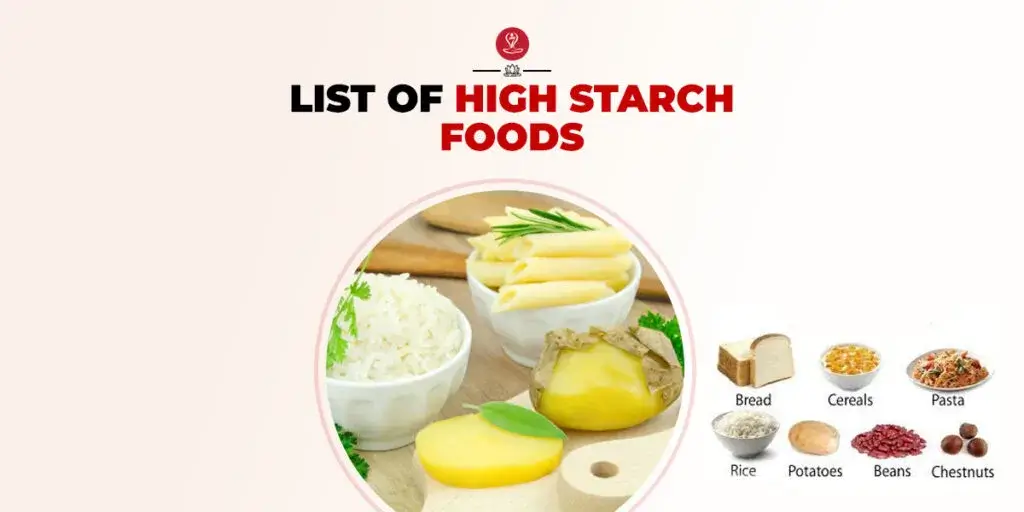
Along with fiber and sugar, starch is the most commonly consumed type of carbohydrate. Starches are an important part of the diet and play an important role in a healthy diet – starchy foods are one of the primary sources of food energy for many people.
Traditionally, starch is consumed as cereal grains, root vegetables, beans (legumes), and other staple foods cultivated around the world.
Starches are made up of several sugar molecules that slowly release sugar into the blood, instead of rapidly increasing blood sugar levels. However, excessively refined starches can cause blood sugar levels to rise rapidly.
Although starch is an important part of the diet, many studies have also shown that refined starchy foods contain empty calories and little nutrients and fiber. This increases the risk of type 2 diabetes, heart disease, and weight gain.
Why do you need starchy foods?
Starchy foods, such as bread, rice, potatoes, and pasta, are an important part of a healthy, balanced diet because they provide the body with energy and essential nutrients.
Starch is a complex carbohydrate that the body breaks down into glucose, which is used as the primary source of energy for the brain and muscles. Starchy foods also contain fiber, vitamins, and minerals that are important for maintaining good health.
Fiber helps to keep the digestive system healthy and prevents constipation. Vitamins and minerals, such as vitamin B, iron, and potassium, are also found in starchy foods and are essential for maintaining healthy blood cells, nerves, and muscles.
Starchy foods importance:
High Starch Foods are an energy source because of their high carbohydrate content.
Many starchy foods, such as whole grains, fruits, and beans, are high in fiber. High-fiber diets are best known for their ability to prevent or relieve constipation, maintain a healthy weight, and may reduce a person’s risk of developing cardiovascular disease.
Starch-rich foods also rank highly on the food satiety index, they make a person feel more satiated after eating them.
List of Starchy Foods
The following starch food list offers energy, fiber, and vitamins and is crucial to a balance of nutrients.
- Potatoes
- Rice (white, brown, black, red)
- Pasta (spaghetti, macaroni, noodles)
- Bread (white, wheat, rye, sourdough)
- Corn (cornmeal, tortillas, popcorn)
- Beans (black beans, kidney beans, chickpeas, lentils)
- Quinoa
- Oats (oatmeal, granola)
- Barley
- Sweet potatoes
- Winter squash (butternut squash, acorn squash, pumpkin)
- Cassava (also known as yucca or manioc)
- Plantains
- Amaranth
- Buckwheat
- Taro
- Sorghum
- Millet
- Rye
- Spelt.
It’s worth noting that some of these foods are healthier choices than others. For example, choosing whole grains (brown rice, whole wheat bread) over refined grains (white rice, white bread) can provide more fiber and nutrients.
Flours And Meal
Meal and flours are high in starch. They come in many different varieties, such as corn, millet, wheat, sorghum, and refined wheat flour.
Cornmeal is a type of coarse flour that can vary from medium to large/coarse dried corn kernels. Dried corn is actually gluten-free which is very high in carbs and starch.
One cup (159 grams) contains 117 grams of starch or 74% of the starch in cornmeal by weight.
Millet is a gluten-free nutritious ancient grain that are rich in magnesium, phosphorus, manganese and selenium.
Millet seeds make the Millet flour and One cup (119 grams) of millet flour contains 83 grams of starch, or 70% starch in by weight.
Sorghum is a less well-known grain but high in starch and a much better choice than most types of flour.
One cup (121 grams) of sorghum flour contains 82 grams of starch, or 68% starch in by weight.
Wheat is a versatile baking ingredient and a pantry staple. Its flour gives a high starch content.
One cup (120 grams) of white flour contains 81.6 grams of starch, or 68% starch in by weight.
Compared to refined flour, whole-wheat flour has more fiber and is more nutritious.
1 cup (120 grams) of whole-wheat flour contains 69 grams of starch, or 57.8% starch in by weight.
Legumes And Beans
Beans are legumes that contain a significant amount of starch besides being a rich source of protein than rice and wheat.. But all legumes are not necessarily beans.
Legumes such as Chickpeas(also called garbanzo beans), Peanuts, Black beans, Green peas, Lima beans, Kidney beans, Soybeans Black-eyed peas, and Navy beans are one of the best sources of resistant starch.
Dried legumes contain about 20-30% starch by weight.
Rice And Whole grains
Rice (in uncooked form) is also high in starch, while cooked it will be less. 3.5 ounces (100 grams) of uncooked rice contain 63.6% starch by weight, while cooked rice only contains 28.7% starch by weight. (because rice carries a lot more water)
Rice Krispies are made of crisped rice is incredibly high in starch. 28-gram serving contains 20.2 grams of starch, or 72.1% starch by weight.
Whole grains including oats, quinoa, bulgur, wheat, rye, barley, amaranth, millet, and sorghum are the most nutritious options for starchy grains.
- Starch in barley grain can be from 45.7% to 70%
- Oats (81 grams) contain 46.9 grams of starch or 57.9% by weight
Potatoes
Potatoes are incredibly more starch than other vegetables. They are also rich in vitamins and minerals. 138 grams of potato contains 24.8 grams of starch or 18% by weight.
Conclusion
Foods high in starch are an important part of a balanced diet — a major part of many staple foods.
Starchy foods come in many forms including refined wheat flour, Potatoes, legumes, and cornmeal. They can help a person’s digestion, satiety, and energy levels.
FAQ
Starchy foods are carbohydrate-rich plant foods such as potatoes, rice, bread, corn, and legumes.
Whole starchy foods like sweet potatoes, oats, and brown rice are nutrient-rich and can be part of a balanced diet.
Only when eaten in excess without balance; portion control and pairing with protein/fiber is key.
Refined starches can spike blood sugar, but whole starchy foods with fiber release energy slowly.
Combine them with protein, fiber, and healthy fats to maintain steady energy and support digestion.
