
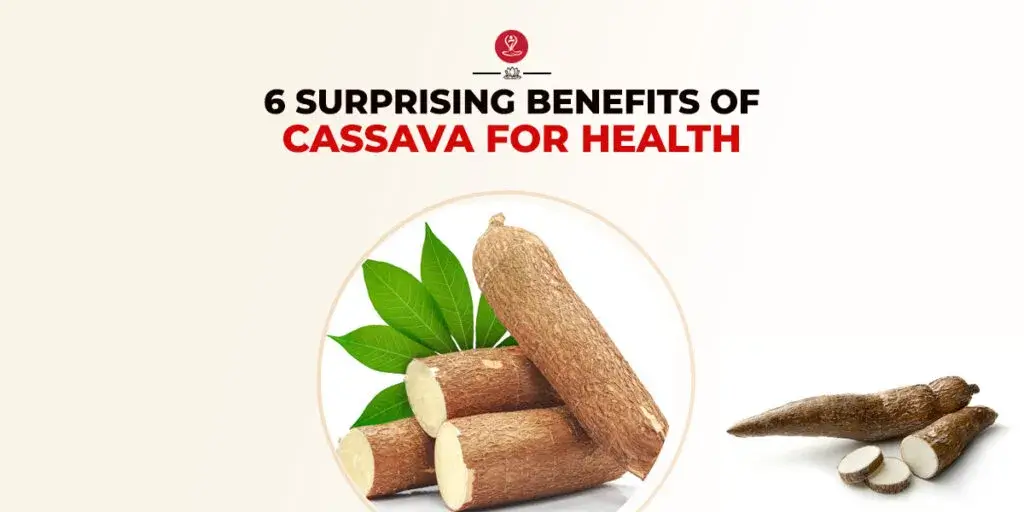
Cassava, a nutty-tasting tuber, is a versatile vegetable that has become a dietary staple in many parts of the world. Known for its rich nutrient profile, cassava is used in both culinary dishes and traditional medicine. Its contribution to food security and its unique health benefits make it a highly valued food. Whether in the form of tapioca or as part of a savory dish, cassava offers a wide range of benefits that go beyond mere sustenance.
What is Cassava?
Cassava is a starchy root vegetable that’s incredibly versatile in the kitchen. It’s often processed into tapioca or used to make sago, a common ingredient in households. Beyond its culinary uses, it is recognized for its nutritional value, offering a significant amount of calories and carbohydrates, second only to staples like rice and corn.
Nutritional Profile of Cassava (per 100 grams, cooked):
- Calories: 191
- Protein: 1.5 grams
- Carbohydrates: 40 grams
- Fat: 3 grams
- Fiber: 2 grams
- Vitamin C: 20% of the Daily Value (DV)
- Copper: 12% of the DV
- Thiamine: 7% of the DV
- Vitamin B6: 6% of the DV
- Potassium: 6% of the DV
- Magnesium: 5% of the DV
It is also a rich source of riboflavin, niacin, folate, and other essential vitamins and minerals.
Potential Health Benefits of Cassava
- Supports Digestive Health:
It is packed with insoluble fiber, which aids digestion by promoting regular bowel movements and helping to remove toxins from the intestines. It also supports gut health by encouraging the growth of beneficial bacteria. - Boosts Immunity with Vitamin C:
it is a good source of vitamin C, providing 20% of the DV per 100 grams. This vital nutrient enhances immune function, aids in collagen production, and protects against oxidative stress, which can contribute to chronic diseases. - Rich in Resistant Starch:
Resistant starch in cassava acts like soluble fiber, feeding the beneficial bacteria in the gut and promoting overall gut health. It can also help in regulating blood sugar levels and improving insulin sensitivity. - Contains Anti-Nutrients with Benefits:
it contains phytates and tannins, which have been shown to reduce toxic substances in the body. These anti-nutrients may help lower the risk of cancer, control blood glucose levels, and reduce cholesterol. - Promotes Healthy Skin:
The vitamin C in it can help protect your skin from damage and stimulate collagen production, keeping your skin looking youthful and vibrant. - May Assist in Weight Management:
While it is calorie-dense, its high fiber content can help you feel full longer, potentially aiding in weight management when consumed in moderation.
Potential Downsides
- Low Iodine Levels:
it has been found to have a goitrogenic effect, which can interfere with iodine absorption and potentially lead to thyroid issues. Those with thyroid problems should limit their intake. - High Calorie Content:
With 191 calories per 100 grams, it is calorie-dense, which could contribute to weight gain if consumed in large quantities. - Risk of Cyanide Poisoning:
Raw cassava contains cyanogenic glycosides, which can release cyanide in the body if not properly prepared. This can lead to serious health issues, including physical weakness and even death. It’s crucial to soak and cook cassava thoroughly to eliminate these toxins.
Conclusion:
Cassava is a nutrient-rich root vegetable that plays a vital role in the diet of millions around the world. Its high content of resistant starch and vitamin C, along with other essential nutrients, offers numerous health benefits, including improved digestion and enhanced immunity. However, like any food, it should be consumed in moderation, especially considering its high calorie content and potential toxicity when raw. By preparing it correctly, you can safely enjoy the many benefits of this versatile superfood.
FAQ
Yes, cassava’s high fiber content promotes fullness and supports weight management when included in a balanced diet.
Absolutely. Its resistant starch acts as a prebiotic, improving gut health and regularity.
Yes, if cooked properly. Raw cassava contains cyanogenic compounds that can be toxic, so thorough cooking is essential.
Cassava is rich in carbohydrates, fiber, vitamin C, and essential minerals like potassium and calcium.
Yes. Its complex carbs provide slow-release energy, making it ideal for sustained energy throughout the day.
