
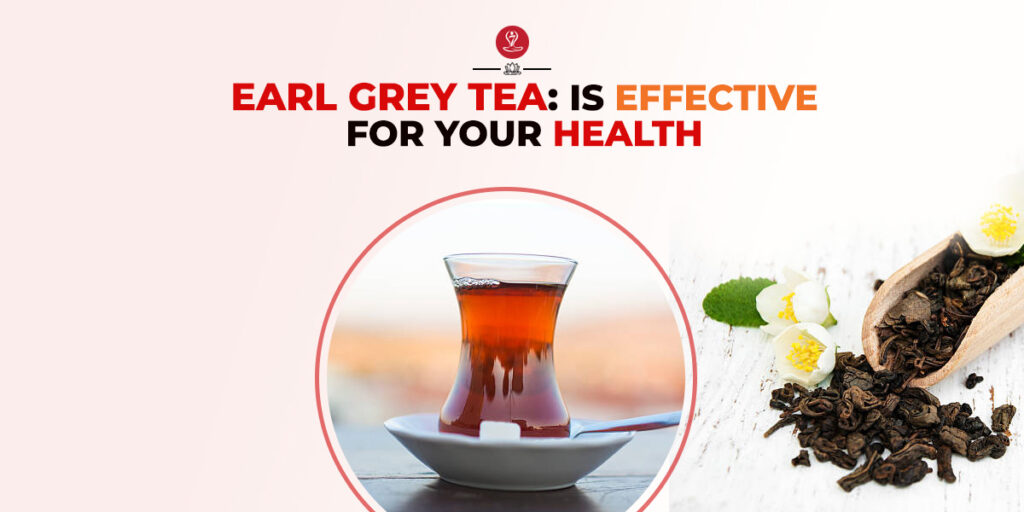
Bergamot tea, also known as Earl Grey tea, is one of the most popular and recognized tea beverages in the world.
Bergamot tea is usually a mixture of black tea leaves and dried bergamot.
There is an interesting story behind Earl Gray tea. Since it got its nickname from former British Prime Minister Earl Charles Grey, the tea leaves are sprinkled with bergamot extract or essential oil with a citrus flavor, or prepared using bergamot fruit essence.
Earl Gray is most widely defined as a black tea but the black tea used can be anything from Ceylon to Indian or African.
Its flavor is consistent and doesn’t contain any actual citrus, so it’s safe for people with citrus allergies. However, there is no one way to make Earl Gray tea, which is why each Earl Gray tea you try will probably taste slightly different.
Some of the claimed health benefits of bergamot tea include accelerating metabolism, aiding digestion, reduces the risk of cancer and digestion, but research is limited.
Health Benefits of Earl Grey Tea (Bergamot Tea)

Bergamot tea may provide some health benefits for the hair and skin due to its potent antioxidant and anti-inflammatory properties. However, it is important to note that scientific evidence for the specific effects of bergamot tea on hair and skin is limited and more research is needed to confirm its benefits.
Bergamot is rich in beneficial plant compounds that act as antioxidants. On the other hand, black tea contains many other compounds with antioxidant properties like catechins which makes it a great healthful tea for your health.
Heart Health & Cholesterol:
New emphasis on flavanones found in bergamot. These compounds are noted for their ability to block enzymes that produce cholesterol, potentially lowering overall levels.
Aid digestion
Research on bergamot juice and supplements, as well as black tea, suggests that bergamot juice may reduce intestinal inflammation and H. pylori bacteria which can help in the treatment and prevention of stomach ulcers and other digestive problems.
The update includes information on how bergamot juice may reduce intestinal inflammation and combat H. pylori bacteria, which is a primary cause of stomach ulcers.
Immunity booster
Bergamot oil has immunity-boosting properties. Bergamot has high antioxidant properties to strengthen immunity by combating harmful free radicals. These cause oxidative stress, which is harmful to the entire body. Thus, Earl Gray tea can strengthen your immune system and keep seasonal and viral infections like colds and coughs at bay.
The content now connects the high antioxidant properties of the tea to the reduction of oxidative stress. It also highlights the calming effect of bergamot oil on the nervous system to help with anxiety
Anti-inflammatory properties
Bergamot tea has been shown to have anti-inflammatory properties, which may help to reduce inflammation in the body. Inflammation is a key factor in the development of many chronic diseases, such as heart disease, cancer, and diabetes.
Anxiety and stress reduction
Bergamot oil, which is used to flavor bergamot tea, has been shown to have calming effects on the nervous system. This may help to reduce feelings of anxiety and stress.
Skin health
That being said, bergamot tea contains flavonoids, which are antioxidants that may help to protect the skin from damage caused by free radicals. Free radicals are unstable molecules that can damage cells and contribute to the aging process. Bergamot tea also contains antimicrobial properties, which may help to fight off harmful bacteria on the skin.
Hair health
When it comes to hair health, bergamot tea may also have some potential benefits due to its antioxidant properties. It may help to protect the hair from damage caused by free radicals and may also help to promote hair growth. However, more research is needed to confirm these effects.
It’s important to note that more research is needed to confirm these potential benefits and to determine the optimal amount of bergamot tea needed to achieve these effects.
Conclusion
Bergamot tea is a type of tea that is flavored with the oil extracted from the rind of bergamot oranges. Bergamot oranges are a citrus fruit primarily grown in Italy, and they are believed to be a hybrid of lemon and sour orange. The oil extracted from the rind of the bergamot orange has a distinct floral and citrusy aroma and is commonly used to flavor teas and other beverages.
Bergamot tea is most commonly associated with Earl Grey tea, which is a blend of black tea and bergamot oil. However, bergamot oil can also be added to other types of tea, including green tea, oolong tea, and white tea. The flavor of bergamot tea can vary depending on the type of tea used and the amount of bergamot oil added, but it generally has a floral, citrusy taste and aroma.
It’s important to note that while Earl Grey tea may have potential health benefits, it is not a substitute for proper medical treatment. If you have any specific concerns about your hair or skin health, it is best to talk to your doctor or a dermatologist.
Frequently Asked Questions (FAQ)
For most people, drinking 2–3 cups of Earl Grey daily is perfectly safe. However, excessive consumption (more than 15–20 cups) should be avoided, as high levels of bergamot oil can interfere with potassium absorption in some individuals.
Since Earl Grey is typically made with a black tea base, it does contain caffeine—usually between 40mg and 120mg per cup. If you are caffeine-sensitive, look for decaffeinated versions or green tea-based bergamot blends.
Yes. The high concentration of antioxidants and antimicrobial properties in bergamot helps fight free radicals, which can reduce signs of aging and help manage minor skin inflammations or acne.
To extract the maximum amount of antioxidants and flavor, steep your tea in boiling water for 3 to 5 minutes. Steeping longer may result in a bitter taste due to the tannins in the black tea.
