
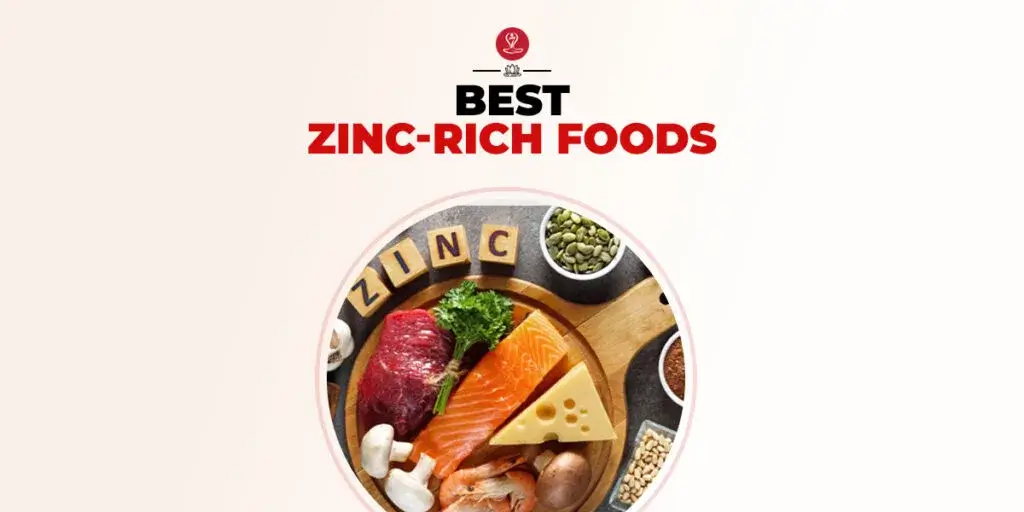
Zinc is an essential mineral that plays an important role in the production of enzymes in our body. Our body does not make zinc nor does store it, so you have to take plenty of zinc foods items or supplements every day to ensure that. Because is essential for the functions of more than 300 enzymes in the body.
Various balanced diets can provide all vitamins and minerals required for our body, including zinc.
It is included in many important processes in the body. It helps to build cells and grows and repairs body tissues, and also contributes to the immune system to work properly. Apart from these, Zinc is also needed for the development of physical tissues, sexual development, reproductive processing, and children’s growth.
It is recommended that those who follow a vegetarian diet or who are pregnant or breastfeeding mothers, may have to take more care of this. Men 11 mg per day while women require 8 mg per day of zinc.
A poor diet is the common cause of lack of zinc, especially with diarrhea, eyes and skin wounds, disabled, weight loss, impotence, hair loss, stunted growth, and disappointing immunity.
There are also side effects of the more intake of zinc, which include nausea, bad taste in the mouth, diarrhea, and abdominal pain.
Make sure that you are aware of the daughter and keep in mind that do not consume excess. The excessive intake of zinc can reduce the amount of copper and iron absorbed by the body, which can cause anemia or weak bones.
However, a healthy balanced zinc-rich food diet can meet all needs.
Below is a list of the highest top 10 foods in zinc.
High Zinc Foods, Fruits & Vegetables
Here we listed zinc-rich foods or a list of vegetarian zinc foods that fulfill your requirements and provide you with a healthy way to enrich your body with essential nutrients.
1. Meat
Meat, especially Red Meat is a great source of zinc, 100-gram raw ground beef is 4.8 mg of zinc.
Apart from this, also provide a decent aid of beef, pork, and chicken zinc. 1 cup is chopped roasted, 2.13 mg of skinless chicken zinc.
However, by eating red meat in large quantities, cardiovascular disease is connected to an increased risk of cancer.
2. Shellfish
Shellfish such as oysters, crab, and shrimp are healthy sources of zinc.
Actually, the oyster is seafood. It is a good, low-calorie source of zinc, who likes non -vegetarian food, can consume it. The nutritional value is 39.3 mg zinc in 100 grams of the oyster.
The benefits of oysters are many for health. It is a good source of not only zinc but also vitamin-A, iron, and calcium. Not only this, the omega 3 fatty acids present in it can be beneficial for the brain, to keep the heart healthy, diabetes, and inflammation as well as the brain.
3. Seeds
Some seeds are better options than others to increase zinc intake. These seeds include squash, pumpkin, and sesame seeds which are also a good source of fiber, healthy fats, and vitamins.
4. Egg yolk
The yellow part of the egg can be consumed for zinc. Eggs are not only zinc, but also a good source of folate, vitamin-A, and calcium.
The nutritional value is contained 2.3 mg zinc in 100 grams of egg yolk.
5. Nuts
If we talk about zinc, then zinc is also present in peanuts, cashews, and almonds. It can be used as a healthy snack.
However, cashews are a quick and convenient snack that contains 15% DV in 28-grams. Cashews, zinc, copper, and vitamins are filled with vitamins A and folate. These nuts create a large source of mono and polyunsaturated fatty acids, which can help reduce the formation of fat and cholesterol inside the heart.
6. Garlic
The serving size is 1.6 mg in 136 grams which is 11% of the daily value.
Garlic is the most useful for the heart. This is due to Allicin present in it, which is a compound that displays powerful biological effects.
Despite being highly nutritious, there are a lot of calories in garlic. It can improve blood pressure and cholesterol levels. It can fight with normal winter. Its antioxidants also help prevent cognitive decline.
7. Dark Chocolate
This may be surprising for you, but dark chocolate actually contains a lot of zinc as well as a lot of nutrients. In fact, 100-gram dark chocolate bar contains 3.3 mg of zinc or 30% of the DV.
But as the main source of zinc, dark chocolate should not be dependent because the amount of calories is very high.
8. Mushroom
Mushrooms are found in small amounts of calories and plenty of protein. Also, it contains a sufficient amount of zinc availability. Mushroom is also a good source of vitamin D that makes bones strong. And it also balances hormonal function.
9. Whole Grains
Whole grains like wheat, quinoa, rice, and oats are also tied to zinc and are much better for health.
What’s more – they have a collection of many important nutrients such as fiber, B vitamins, magnesium, iron, phosphorus, manganese, and selenium.
10. Dairy
Milk, curd, and cheddar cheese are full of zinc. In addition to this nutrient, we meet other important nutrients such as proteins, calcium, and vitamin D in these dairy products.
About 28% DV in 100 grams of cheddar cheese.
Conclusion
Zinc is necessary for development, improvement, and immunity. The consumption of a balanced diet can provide you enough zinc, which your body needs. A good amount of zinc foods include meat, shellfish, spinach, milk products, nuts, and legumes. Poor diet, due to health problems or in pregnancy, you may have the possibility of lack of zinc.
FAQ
Oysters, beef, lentils, chickpeas, pumpkin seeds, cashews, quinoa, and spinach are some of the top foods rich in zinc.
The daily recommended zinc intake for adults is 8–11 mg, depending on age, gender, and individual health needs.
Zinc is crucial for immune cell function and plays a role in protecting the body from infections and illnesses.
Yes, zinc supports collagen production and helps with wound healing, which is essential for maintaining healthy skin.
Yes, plant-based sources such as legumes, seeds, and whole grains can provide sufficient zinc when consumed regularly.
