
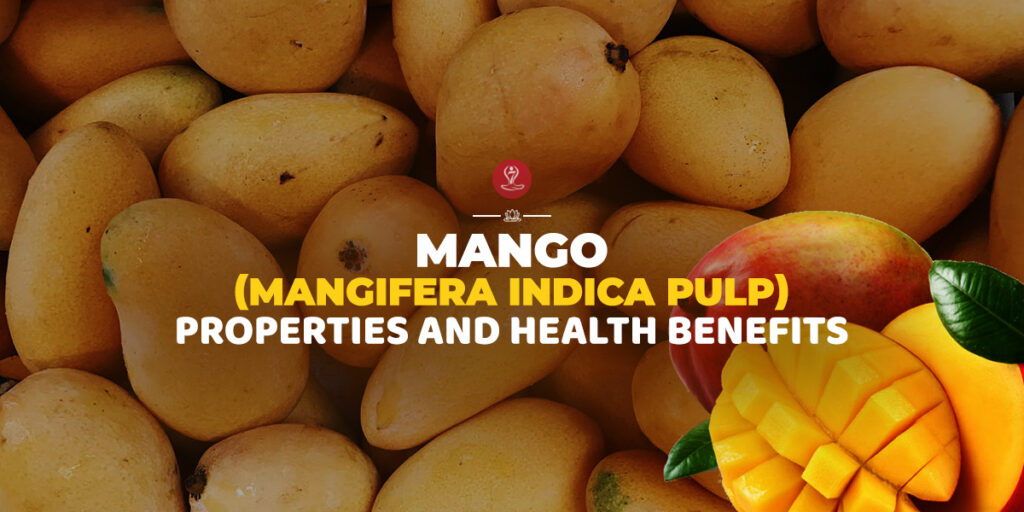
Have you ever wondered why mango is called the “king of fruits,” even though all fruits are nutritious and healthy? Mangoes are celebrated worldwide for their rich, unique flavor and irresistible aroma. Beyond taste, they earn this royal title because of their impressive health benefits and exceptional nutritional value. With their abundant production, affordability, and unmatched taste, mangoes stand out among all fruits, making them truly deserving of the title “king of fruits.”
In botany, it is defined by ‘drupe’ or ‘stone fruit‘, which means that there is a big seed in the middle of it.
A ripe mango is loaded with many types of minerals and vitamins that make it the most nutritious fruit. Studies based on scientific comprehensive reviews of the fibers contained in mangoes help to boost immunity as well as digest well. This fruit is also rich in a variety of phenolic compounds, which help to fight against diseases and keep the body healthy. Apart from this, it can prevent many diseases like cancer, inflammation, heart problems, and other types of problems. (study) (study)
Some interesting things about mango
This is the national fruit of India, Pakistan, and the Philippines. Apart from this, the most important thing is that the mango tree is the national tree of Bangladesh.
It is one of the very few fruits that have found an iconic place in Hindu religious scriptures. The mango tree is also called Kalpavriksha in India, which means the tree that gives the desired fruit. In India, the use of these leaves and wood is considered auspicious for any auspicious work, such as worship, a wedding ceremony, or any Mars work. They have also been discussed in old stories.
Mangotropical fruit mango that belongs to the same family as pistachio, Gandaria, mombin, and cashew.
It is said that Lord Buddha also loved mangoes very much. Mahatma Buddha attained enlightenment by sitting under a mango tree.
Mango is eaten more than other fruits. Many people believe that giving a mango basket is a sign of a good relationship as well as a symbol of friendship.
With the change of season, the taste of the mango fruit also changes quite a lot.
Mango: Nutrition Facts
This is an important tropical fruit with high nutritional value, worldwide production and acceptance, distribution, affordable, economical, vast marketing, as well as health benefits.
Tropical fruit contains many bioactive compounds, which include nutritious and non-nutritive properties with biological properties. Which has great potential to improve human health and give the chance of a disease-free body. (study)
Studies have indicated that it is rich in equal amounts of stearic and oleic acid. (study)
Its seed is an oval shape, also loaded with bioactive compounds, many antioxidant capacities. All essential amino acids, unsaturated fatty acids, and free of trans fatty acids. (study)
The chemical analysis of this fruit has a relatively high content of calories and is rich in potassium, soluble fiber, and many other vitamins. (study)
Nutrient Database for Standard Reference (United States Department of Agriculture).
| Energy | 60 Kcal |
| Fruit composition | Quantity |
| Carbohydrates | 14.98 g |
| Protein | 0.82 g |
| Fat | 0.38 g |
| Fiber | 1.6 g |
| Vitamins | |
| Vitamin C | 36.4 mg |
| Vitamin E | 1.12 mg |
| Vitamin A | 1082 IU |
| Niacin (vit B3) | 669 µg |
| Pantothenic acid (vit B5) | 160 µg |
| Pyridoxine (vit B6) | 119 µg |
| Riboflavin (vit B2) | 38 µg |
| Thiamin (vit B1) | 28 µg |
| Folates | 43 µg |
| Vitamin K | 4.2 µg |
| Minerals | |
| Potassium | 168 mg |
| Phosphorus | 14 mg |
| Calcium | 11 mg |
| Magnesium | 10 mg |
| Sodium | 1 mg |
| Copper | 110 µg |
| Iron | 160 µg |
| Manganese | 27 µg |
| Zinc | 90 µg |
| Carotenoids | |
| β−Carotene | 445 µg |
| α−Carotene | 17 µg |
In traditional medicine, all parts of a mango tree, such as bark, kernel fruit, and leaves, also have health properties.
Health Benefits Of Mango
Mango is the fruit that everyone likes. Therefore, it is called the king of fruits. The more delicious the mango is, the more beneficial it is for health. Whether mangoes are raw or ripe, both are important. It protects our body from many diseases occurring during the summer season. Let us know how many benefits come from mangoes.
Support heart health
Consumption of it can also reduce the risk of heart disease. By its use, along with keeping the state of the heart fine, it can keep kidney diseases away. Therefore, do not forget to consume it during the summer season. (study)
Boosts immunity system
Raw mango is very beneficial for our body’s immune system. It is rich in vitamin C, which can help increase immunity, reduce allergies, and fight infection. Vitamin C present in mango is an antioxidant that helps to prevent free radical damage. (study)
Good for digestion
Many types of diseases are born in our bodies in the stomach. It protects our health from these diseases. It contains fiber that facilitates a smooth flow of food and waste through the digestive system and eliminates it easily. Prevents intestinal infections. Apart from this, it also corrects the problem of indigestion and constipation. The consumption of raw mango also removes liver problems. Even it eliminates the constipation problem. (study) (study)
Support eye health
Mango is full of nutrients that help to support healthy eyes. vitamin Ais found in mango pulp, which supports eye health. (study)
In addition, there are two major carotenoids of the human eye – lutein and zeaxanthin. Mango has been considered a rich source of giazanthine and may help in keeping the eyes healthy. (study)
Heat prevention or heat stroke
There is a danger of heatstroke as soon as summer comes. Raw mango is very effective in avoiding the heat. Along with this, It helps in meeting the lack of water in the body.
Mango juice works as a restorative tonic during heatstroke. Mango allows the body to stay hydrated and cool. (study)
Types of Mangos
Chaunsa– This type is called the King of mangoes in the world. It has a juicy pulp and is rich in nutrition. Mainly three types of Chaunsa mangoes: Honey Chaunsa, White Chaunsa, and Sweet Chaunsa.
Amrapali (mango)- this Mango brand was first planted in West Bengal.
Dasheri- It is mostly grown in NorthIndia, Nepal, and Pakistan.
Fazli – The Malda has the richest production of Fazli mango. Fazlis are commonly used in murabba, shakes, jams, and pickles.
Gir Kesar- This mango is also known as Kesar or Kesri aam, the most grown in Girnar in Gujarat, western India. Mango was first grown by Junagadh Wazir Cell Bhai.
Lakshmanbhog- This type of mango cultivar is from West Bengal in India.
Langra – This is grown in Varanasi, Bangladesh, and Pakistan.
Neelam (mango)- It can be stored for an extended time.
Conclusion
Mango, a tropical fruit from the Mangifera genus, has been valued in Ayurveda for over 4,000 years. Its fruit, leaves, and bark are known for powerful antidiabetic, antiviral, cardiotonic, antioxidant, and anti-inflammatory benefits.
