
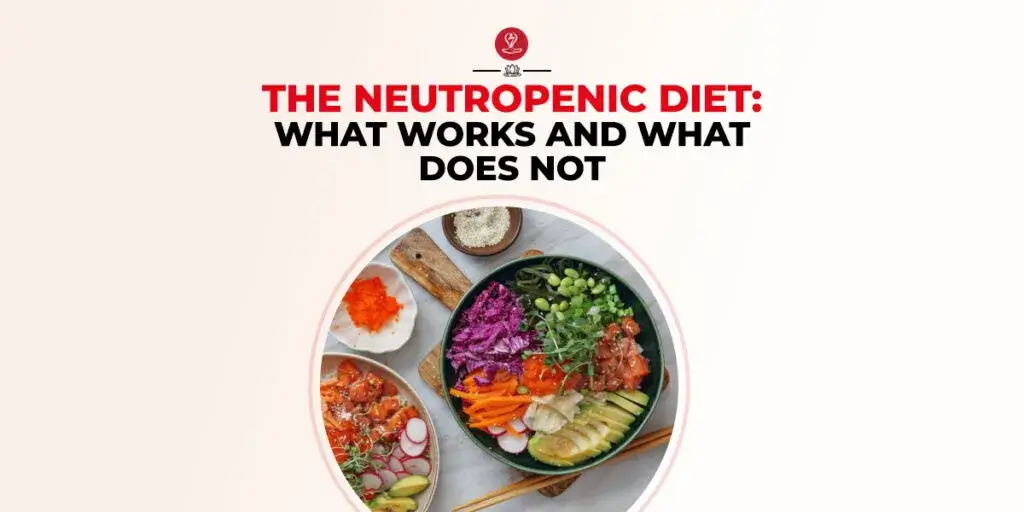
The neutropenic diet is a diet plan for people with weakened immune systems. This involves selecting and preparing foods in a way that minimizes the risk of foodborne germs and illness.
If your immune system is weak, your doctor may recommend you follow a neutropenic diet to help reduce your consumption of harmful germs and bacteria.
Cancer patients with neutropenia or low neutrophil counts are at higher risk of developing bacterial infections and are often advised to follow a very restricted neutropenic diet, along with several precautions.
However, various studies and meta-analyses found no convincing evidence to support that the neutropenic diet prevents infections in cancer patients. Patients receiving the neutropenic diet also reported that following this diet required more effort. Therefore, researchers have raised concerns over recommending the neutropenic diet to cancer patients, in the absence of strong evidence on benefits related to lower infection rates.
What is neutropenic?
Neutropenia is a health condition that affects the most common type of white blood cells called neutrophils. They travel to the site of infection and release substances called enzymes to fight the invading virus or germ. Cells are an estimate of the body’s ability to fight bacterial infections, often referred to as the patient’s “count.”
Any health condition with low white blood cells can increase the risk of infection.
What is a neutropenic diet?
The neutropenic diet is a diet used in people with a weakened immune system who are at increased risk of infection from microbes present in our food.
The basic idea of the diet is to avoid certain foods that can expose us to bacteria and other germs, take necessary precautions, and practice proper food safety and handling.
Food safety guidelines
Guidelines can be broken down into three categories: avoiding certain foods, food preparation, and food storage.
- Wash your hands frequently with soapy warm water for 20 seconds before and after eating.
- Wash fruits and vegetables thoroughly in hot or even fresh water.
- Use separate cutting boards for meat and produce, and avoid wooden cutting boards.
- Avoid sharing food with people and do not share eating utensils with others.
- Keep the kitchen and dining room clean.
- Keep your utensils clean.
- Avoid the consumption of eggs, raw meat, and undercooked meat.
- Avoid consumption of smoked seafood, raw fish, and shellfish.
- Do not consume food that is more than 48 hours old.
Foods to eat and avoid in the Neutropenic Diet
| Foods to Choose |
|---|
Dairy products
- Pasteurized milk; fat-free milk, 2% milk, whole milk, buttermilk, or chocolate milk
- Commercial supplements such as instant breakfast drinks
- liquid and powdered drinks
- Refrigerated and frozen pasteurized whipped topping
- Commercial eggnog and frozen milkshakes
- Commercially packaged cheese (for example, American, Swiss, Parmesan, mozzarella, cheddar)
- Pasteurized cottage cheese, ricotta cheese
- Processed cheese (for example, Velveeta)
Fruits and fruit juices
- Canned fruits and juices
- Pasteurized frozen juices, cider, and apple juice
- Frozen fruits
- Dried fruits
- Thick-skinned fruits
Vegetables
All well-cooked canned, frozen or fresh vegetables abd raw vegetables and canned vegetable juices
Beverages
- Instant and brewed decaf or regular coffee and tea
- All canned, bottled, and powdered beverages and sports drinks
- Individual cans or bottles of carbonated beverages
- Brewed herbal teas
- bottled and distilled water
Desserts and sweets
- Cakes, pies, cookies, Candy, including chocolate
- Raw, unbaked cookie dough
- Baked custard, pudding, and gelatin
- Commercial ice cream, sherbet, fruit ice, and Popsicles
- Refrigerated cream-filled pastries and desserts
- Pasteurized honey and syrup
Bread and Grains
All bread, rolls, bagels, waffles, muffins, pancakes, and sweet rolls
Potato chips, corn chips, tortilla chips, popcorn, and pretzels
Any cooked or ready-to-eat cereal purchased prepackaged from a store
Rice, pasta, and other cooked grains
Fats
- Butter or margarine
- Cream cheese, sour cream, salad dressings
- All types oil
- Non-dairy creamers
- nut-free butter, such as peanut, sunflower, and soybean
Egg Products
- Well-cooked eggs (firm white and yolk) and pasteurized egg substitutes
- Runny or well-cooked pasteurized eggs
Other Miscellaneous
- Salt, sugar, and pepper are used after cooking
- Low-sodium seasoning
- Lactaid drops
- Cooked gravy and sauces
- Refrigerated margarine and butter
- Pickles, pickle relish, and olives (refrigerate after opening)
- Vinegar
- Commercial peanut butter, Jam, and jelly
- packaged raw almonds or hazelnuts
- ground black pepper, herbs, and spices
- Commercially packaged roasted nuts
| Foods to Avoid |
|---|
Dairy products
- Raw milk Unpasteurized milk or yogurt
- Homemade eggnog and yogurt
- Cheese made from unpasteurized milk, often including soft cheeses, goat cheese, and mozzarella made with unpasteurized milk
- Milkshakes made with non-commercial ice cream or made in a blender
- Mold-ripened cheeses, such as Roquefort, Stilton, Gorgonzola, and blue cheese
- Rind on cheeses, such as Brie, as it often contains mold
- Unrefrigerated cream-filled pastry products that are not shelf stable
- Fermented dairy products, such as kefir
- Cheese that contains chili peppers or other uncooked vegetables
Fruits
- unwashed raw fruits
- frozen rough-textured fruits
- unpasteurized fruit juices
- Precut fresh fruits
Vegetables
- All raw vegetable
- Stir-fried vegetables
- Fresh sauerkraut
- All uncooked vegetable sprouts, including alfalfa, bean, and clover sprouts
Beverages
- Sun tea
- Cold brewed tea
- Eggnog made with raw eggs
- Fresh apple cider
- Homemade lemonade
Bread, Grains, and Cereals
- Undercooked or raw brewer’s yeast
- Uncooked pasta, raw oats, and raw grains
Egg Products
- Undercooked unpasteurized eggs and egg products
- Raw eggs and foods containing raw eggs, such as homemade Caesar dressing, freshly made mayonnaise, aioli, and raw cookie dough
Protein
- Raw or undercooked meat, fish and poultry
- Stir fried foods
- Deli meats
- Old soup
- Fast food
- Miso products
- Sushi
- sashimi
- Cold meats or poultry
Miscellaneous
- Spices, herbs, or seasonings added to foods after cooking
- Herbal and nutritional supplements
- Unpasteurized raw nuts
- Home-canned pickles and kosher pickles
- Freshly ground peanut butter or nut butter
- Hollandaise sauce
- Fresh ground black pepper served tableside at restaurants
- Soft-serve ice cream and frozen yogurt
- Unpackaged after-dinner mints
Conclusion
The neutropenic diet is often prescribed to cancer patients with the aim of reducing infection by avoiding specific foods and using safe food handling and storage. However, these dietary restrictions to reduce the risk of infection need to be balanced by ensuring that patients receive adequate nutrition, especially to manage treatment side effects as well as improve treatment responses.
FAQ
A neutropenic diet is a low-microbial eating plan designed to reduce exposure to harmful bacteria, mainly for people with weakened immune systems or low white blood cells.
People with neutropenia, such as those undergoing chemotherapy, immunosuppressive therapy, or with compromised immunity, may need this diet.
Safe foods include thoroughly cooked meats, cooked or canned vegetables, pasteurized dairy, cooked eggs, grains, and commercially packaged beverages.
Avoid raw or undercooked meats and eggs, unpasteurized dairy, raw vegetables and fruits that aren’t washed, deli meats, smoked seafood, and buffet or salad bar foods.
A neutropenic diet may help reduce exposure to bacteria, but research is inconclusive. Proper food safety practices are equally important for infection prevention.
