
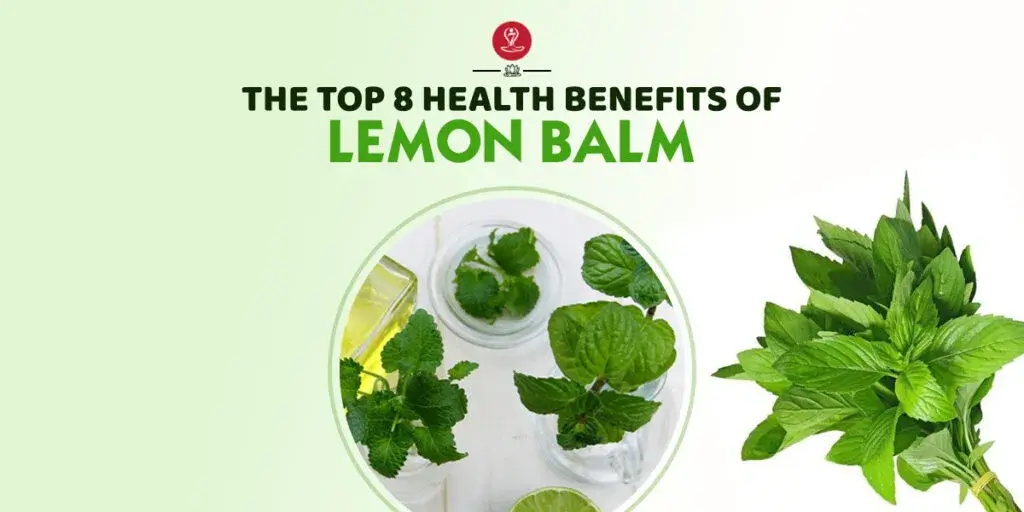
Lemon balm, scientifically known as Melissa officinalis, is a herb from the mint family. Native to Europe, it’s now cultivated worldwide for its lemony scent and flavor, making it popular in cooking and natural remedies. Consumed as tea, taken as a supplement, or used topically,it offers numerous health benefits.
Top 8 Health Benefits of Lemon Balm
- Reduces Stress and Anxiety: it calms the nervous system, reducing anxiety and improving mood. It also enhances sleep quality.
- Boosts Cognitive Function: Compounds in lemon balm improve cognitive function and memory, potentially benefiting age-related cognitive decline and Alzheimer’s disease.
- Relieves Digestive Issues: Traditionally used to alleviate bloating, gas, and stomach cramps, it also stimulates appetite and aids digestion.
- Fights Viral Infections: With antiviral properties, it combats viruses like herpes simplex and influenza. It can also treat cold sores and viral skin infections.
- Supports Immune System: Rich in antioxidants, it boosts the immune system and protects against infections.
- Anti-inflammatory: it reduces inflammation, linked to chronic diseases like arthritis, heart disease, and cancer.
- Relieves Menstrual Cramps: It eases menstrual cramps and symptoms like mood swings, headaches, and bloating.
- Improves Skin Health: it soothes skin irritations such as insect bites, rashes, and cold sores, and improves skin elasticity and reduces signs of aging.
Lemon Balm Uses
- Herbal Tea: Steep a few it leaves in hot water for 5-10 minutes, strain, and enjoy a refreshing, calming tea. It’s used to treat migraine, insomnia, stomach diseases, and strengthen the heart and memory.
- Culinary Herb: Add it to salads, soups, sauces, and marinades for a fresh, citrusy flavor.
- Aromatherapy: Use it essential oil in a diffuser or warm bath to promote relaxation and reduce stress.
- Topical Application: Apply crushed fresh leaves or it cream to soothe skin irritations, cold sores, and minor cuts.
- Tincture: Use tincture for digestive issues, sleep improvement, and anxiety reduction by adding a few drops to water or juice.
Conclusion
Lemon balm is a versatile medicinal herb with numerous health benefits, including boosting immunity, reducing inflammation, improving sleep, enhancing memory, and alleviating stress and anxiety. Whether used in food, as a tea, or topically, incorporating lt into your routine can promote overall health and well-being. Always consult with a healthcare professional before starting any new treatment.
FAQ
Lemon balm may help promote relaxation, reduce stress, improve sleep quality, support digestion, and provide antioxidant properties that contribute to overall wellness.
Lemon balm is traditionally used as a calming herb and may help reduce feelings of mild stress and anxiety while supporting a relaxed state of mind.
Many people use lemon balm to support better sleep quality. Its calming effects may help relax the mind and body before bedtime.
Lemon balm can be consumed as herbal tea, capsules, extracts, or fresh leaves added to drinks and recipes. Follow product instructions and consult a healthcare professional if needed.
Lemon balm has traditionally been used to support digestive comfort and may help ease occasional bloating, gas, and indigestion.
For most healthy adults, moderate use of lemon balm is generally considered safe. However, individuals with medical conditions, pregnant women, or those taking medications should seek professional advice before use.
