
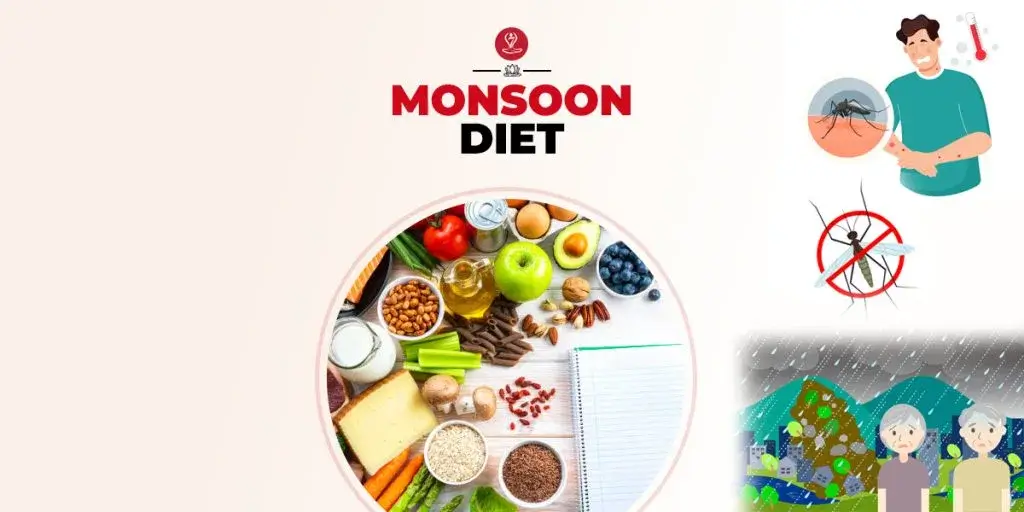
The monsoon season brings relief from the scorching heat and refreshes the surroundings with its refreshing rains. However, due to the increased humidity and moisture during this time, we become more susceptible to a variety of diseases. To stay healthy and boost your immunity, it is important to pay attention to your diet during the rainy season – having a well-planned monsoon diet is important.
This article is designed to provide a monsoon diet plan to enjoy the rainy season keeping in mind that each morsel not only satisfies your hunger and taste buds but also strengthens your immune system against monsoon illnesses.
What to eat in monsoon diet
Here is details about what the diet should be like during monsoon or rainy season.
Focus on warm food: Eat warm and comforting food due to the cold and humidity in monsoon. porridge, burgoo, cereal, soups, and curry are not only warm but also easily digestible and relax the body.
Water and hydration: Drinking enough water is also important during monsoon, as hydration can be lacking during the rainy season. Coconut water, herbal teas, and fresh fruit juices are also good options.
Prevention of infection: Humidity and dirt increase the risk of infection. In such a situation, consume light and easily digestible foods and give preference to cooked foods.
Choose healthy snacks: Hunger is often felt during monsoon, but avoid unhealthy snacks. Instead, eat roasted gram, Kale chips, chia pudding, oatmeal, popcorn, and fresh fruits.
Eat seasonal fruits: Include seasonal fruits like pears, apples, pomegranates and cherries in your monsoon diet. They are rich in antioxidants, vitamins and minerals, which strengthen your immune system.
Right use of spices in food: Spices like ginger, turmeric, and cloves not only enhance the taste but their consumption also helps in fighting seasonal diseases. These spices make your food nutritious as well as boost the immune system.
Take care of food safety: Store food items properly in monsoon and stay away from stale or spoiled food. Consuming fresh and safe foods will be beneficial for your health.
Consumption of probiotics: Consume probiotic foods like curd and buttermilk. These keep the digestive system healthy and strengthen the immune system.
Make a consistent diet plan: Follow a consistent diet plan in monsoon, which is rich in vitamins, minerals, and essential nutrients. This will enable you to face the challenges of the weather in a better way.
What not to eat in monsoon diet
As the monsoon season begins, the risk of waterborne diseases and digestive problems increases. To stay healthy during this season, major lifestyle changes are required, which is why one needs to be careful about food and drink. It is important to avoid certain foods and practices that can compromise your health.
Avoid street food: Eating street food can be especially risky during monsoon. Exposure to humidity and rainwater leads to the growth of bacteria and pathogens in these foods, increasing the risk of gastrointestinal infections and food poisoning. Eating homemade food and avoiding street food is better for your health.
Avoid spicy food: Spicy food can increase digestive problems in monsoon. Digestibility is affected due to high humidity and spicy food can cause acidity, indigestion and stomach discomfort. Eating light and easily digestible food helps keep your stomach calm.
Reduce salt intake: Excess salt can cause water retention and bloating, which can be particularly uncomfortable in the monsoon. Additionally, high salt intake can aggravate problems such as high blood pressure. Reducing salt intake in the monsoon diet helps maintain fluid balance and avoid health complications.
Limit seafood: The monsoon season is the breeding time for seafood, making these foods more susceptible to contamination and infection.
Reduce your intake of dairy products: Dairy products like milk and paneer can spoil quickly in humid weather. If you are eating dairy products, make sure it is properly stored and fresh. If you have concerns about the quality of dairy products, consider alternatives like almond milk or soy milk.
Avoid raw leafy vegetables: Raw leafy vegetables harbor dirt and germs, making them prone to infections during the rainy season. It is best to eat cooked vegetables like spinach or fenugreek leaves, which are safe to eat.
Conclusion
By following the monsoon diet, you can protect your health and enjoy the rainy season to the fullest. In this beautiful time of the year, give preference to fresh, hot and hygienically prepared food to boost your immunity and stay fit.
FAQ
A monsoon diet should focus on freshly cooked foods, seasonal fruits, cooked vegetables, soups, herbal teas, and whole grains. These foods may support digestion and immunity during the rainy season.
It is generally recommended to avoid stale foods, excessive fried snacks, uncovered street food, contaminated water, and overly processed foods as they may increase the risk of digestive issues.
Higher humidity and seasonal changes can affect digestion and may increase the growth of harmful bacteria, making digestive discomfort more common during monsoon.
Yes, properly washed seasonal fruits such as apples, pears, pomegranates, and bananas can be part of a healthy monsoon diet and provide essential vitamins and minerals.
A balanced diet, adequate hydration, regular physical activity, sufficient sleep, and nutrient-rich foods containing vitamins and antioxidants may help support immune function.
Warm water may support digestion, improve hydration, and provide comfort during cooler rainy weather.
Leafy vegetables can be consumed if they are fresh and thoroughly washed. Proper cooking may help reduce the risk of contamination.
Herbal teas, warm water, ginger tea, turmeric milk, and homemade soups are popular choices during monsoon for hydration and comfort.
