
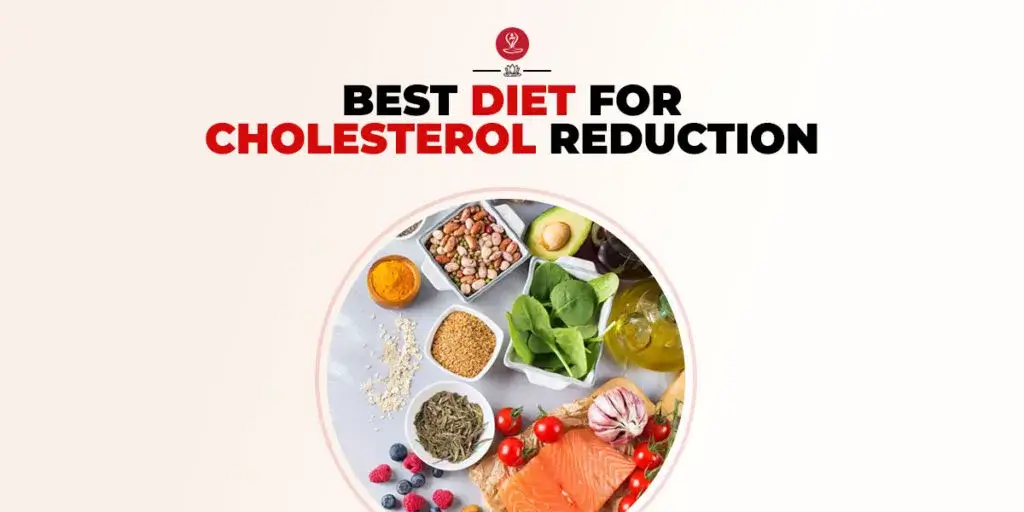
Cholesterol plays a vital role in keeping the body functioning properly. The brain and nervous system depend heavily on cholesterol to perform essential tasks. However, studies show that while cholesterol is necessary, having too much of it in the blood can be harmful. Excessive cholesterol levels may lead to serious health problems such as heart attacks, strokes, and blocked arteries. That’s why keeping cholesterol under control is extremely important.
Although the body naturally produces cholesterol as needed, it is also obtained from the foods we eat. For this reason, making the right food choices and following a cholesterol-friendly diet is one of the most effective ways to maintain healthy cholesterol levels.
You may be surprised to learn that your daily diet has a major impact on your cholesterol. Consuming large amounts of high-fat animal-based foods—such as red meat, eggs, and full-fat dairy products—can significantly increase cholesterol levels in the body.
There are two main types of cholesterol:
- HDL (High-Density Lipoprotein), commonly known as good cholesterol, helps protect heart health.
- LDL (Low-Density Lipoprotein), known as bad cholesterol, can build up in the arteries and cause blockages.
High levels of LDL cholesterol increase the risk of heart attack, stroke, and other cardiovascular diseases. Maintaining a healthy balance between HDL and LDL cholesterol is essential for overall heart health.
Here are 10 tips for lowering cholesterol with diet and reducing your risk of heart disease.
Natural Diet for Cholesterol Management
Soluble Fiber Breakfast
Soluble fiber is also found mainly in pulpy and fibrous fruits like oats, beans, apples, bananas, papayas, oranges, and guavas. The intake of soluble fiber gradually controls the body’s LDL, i.e., harmful cholesterol.
Soluble dietary fiber absorbs water during digestion and forms a gel-like material. It increases stool volume and can lower blood cholesterol levels. Soluble fiber, including pectin and beta-glucan, can be found in oats and barley. psyllium, fruits such as apples, citrus fruits, and grapes; vegetables; and legumes such as peas, beans, and lentils.
Whole grains
Whole grains can also be included in ways to reduce cholesterol. It is said that whole grains are rich in fiber, which can help lower cholesterol levels. At the same time, a research paper on the NCBI website also mentions that consuming 30 grams of whole grains per day can help in reducing the levels of both total serum cholesterol and LDL cholesterol.
In such a situation, it would not be wrong to say that consuming whole grains in the diet can prove beneficial in reducing cholesterol. Explain that oatmeal, oats, etc., can be consumed in the form of whole grains.
Fruit And Berry
Many types of fruit are low in fat, sodium, and calories, as well as being low in cholesterol. The fruit is considered a main source of many essential nutrients like potassium, fiber, vitamin-C and folate (folic acid). According to research, the nutrients present in the fruit can help in reducing cholesterol. Fiber is the main among these nutrients. Apples, kiwis, mangoes, pineapples, pomegranates, watermelon, grapes, oranges, plums, strawberries, bananas, peaches, and pears are considered good sources of fiber.
Garlic Controls Cholesterol
Talking about the properties of garlic, it contains Allicin and Magni which are helpful in reducing cholesterol levels.
Garlic not only contains allicin, but also compounds like ajoene and allein, which increase the properties of garlic manifold. Allicin is helpful in reducing the triglyceride in the blood, which keeps cholesterol under control.
Green Tea
Health experts consider the consumption of green tea (9 best health benefits of green tea you need to know) to be particularly beneficial for the body. Green tea contains catechins and other antioxidant compounds that help reduce bad LDL and increased cholesterol levels.
Research published in the ‘Journal of the American Dietetic Association’ says that due to the effect of green tea, the amount of cholesterol drops by five to six points. In the research, people drinking green tea and took green tea capsules were tested. It was found that it is beneficial even with capsules, but its effect is not as fast as drinking green tea. However, more research is still needed to confirm this.
Olive Oil
The benefits of extra virgin olive oil can also be seen in the diet to reduce cholesterol. Olive oil is rich in unsaturated fats, which can help prevent and lower high levels of bad cholesterol and triglycerides by increasing the level of good cholesterol.
In addition, olive oils are rich in polyphenols, which may improve lipid profiles by increasing HDL-cholesterol. It can also reduce the risk of heart disease as well. On this basis, it would not be wrong to say that the consumption of olive oil can also be a way to reduce cholesterol.
Herbs And Spices
Research has found that herbs and spices contain vitamins, minerals, and antioxidant properties. These properties found in it can help protect against diseases like diabetes, heart disease, arthritis, and cancer. The antioxidant and anti-hypercholesterolemic properties can help in increasing the level of good cholesterol (HDL) by reducing the harmful cholesterol (LDL).
These herbs and spices include dried thyme, sage, mint, cardamom seed, clove, coriander seed, fennel oil/seed, allspice, garlic, and ginger.
Lifestyle Tips for Better Cholesterol Control
- Walk or exercise for 30 minutes daily
- Practice yoga & pranayama
- Avoid smoking & alcohol
- Maintain a healthy body weight
According to the American Heart Association, combining a heart-healthy diet with regular physical activity can significantly reduce cholesterol levels and heart disease risk.
Conclusion
An increase in the level of harmful cholesterol in the blood can lead to many negative consequences. Therefore, it is necessary to keep it under control.
Diet changes to keep cholesterol in a healthy range can significantly improve your cholesterol levels or help reduce its risks.
Consuming certain foods, such as herbs, fruit and berries, green tea, foods rich in soluble fiber, and unsaturated fats, can help lower cholesterol levels.
FAQ
Foods rich in soluble fiber, healthy fats, and plant compounds may help support healthy cholesterol levels. Examples include oats, beans, lentils, nuts, seeds, avocados, fruits, vegetables, and fatty fish.
For many people, dietary and lifestyle changes can positively impact cholesterol levels. Eating nutrient-dense foods, maintaining a healthy weight, exercising regularly, and avoiding smoking may contribute to improved heart health.
Limiting foods high in trans fats, excessive saturated fats, highly processed snacks, sugary beverages, and deep-fried foods may support better cholesterol management.
Results vary from person to person. Some individuals may notice improvements within a few weeks, while others may require several months of consistent healthy eating and lifestyle habits.
Current research suggests that moderate egg consumption can be part of a balanced diet for many people. Individual dietary needs may vary, so consulting a healthcare professional is recommended.
A breakfast rich in soluble fiber and protein, such as oatmeal topped with berries and nuts, can be a nutritious choice for supporting heart health.
Regular physical activity may help increase HDL (good cholesterol) while supporting overall cardiovascular health and weight management.
