
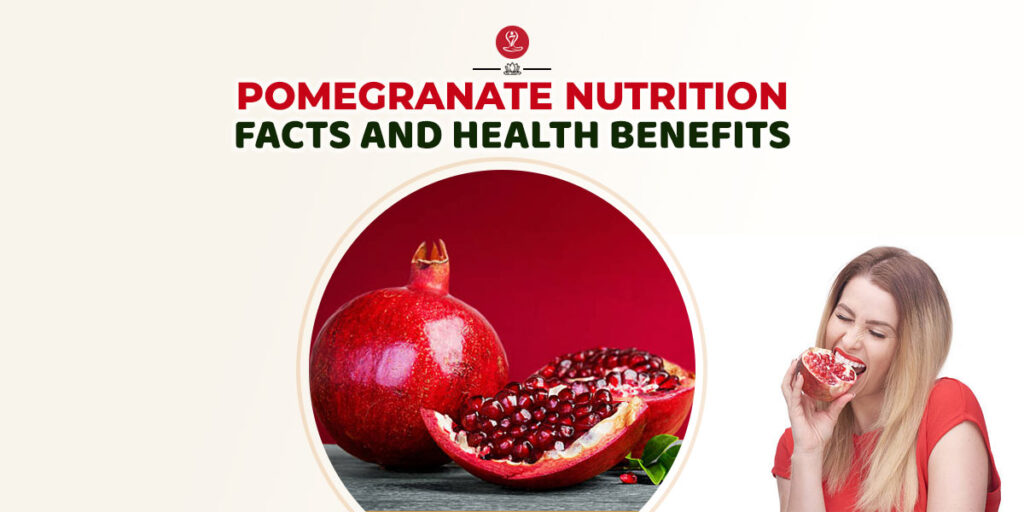
Pomegranate is a superfruit rich in antioxidants, fiber, Vitamin C, and Vitamin K. It supports heart health, immunity, digestion, skin health, and may help fight cancer cells and inflammation.
Table of Contents
- What Is Pomegranate? (And Why It’s Called “A Cure for 100 Diseases”)
- Pomegranate Nutrition Facts (Per 100g Serving)
- 10 Science-Backed Health Benefits of Pomegranate
- Reduces the Risk of Heart Disease
- Fights Bacterial and Fungal Infections
- Relieves Arthritis and Joint Pain
- Delivers a Powerful Dose of Essential Vitamins
- May Help Slow Prostate Cancer Progression
- Supports a Healthy Digestive System
- Promotes Glowing, Youthful Skin
- Protects Skin from UV Damage and Sun Exposure
- Provides Critical Benefits During Pregnancy
- Offers Medicinal Benefits Even in Its Peel
- Pomegranate Juice Benefits for Skin: A Closer Look
- Where Is Pomegranate Grown? Global Production Overview
- Pomegranate Names Around the World
- How to Include Pomegranate in Your Daily Diet
- Frequently Asked Questions (FAQ)
- Conclusion: Why You Should Eat Pomegranate Every Day
What Is Pomegranate? (And Why It’s Called “A Cure for 100 Diseases”)
Pomegranate (Punica granatum) is one of the oldest and most celebrated fruits in human history. Rooted in Ayurvedic medicine and praised across Persian, Arabic, and Indian traditions, this ruby-red fruit has earned a remarkable reputation — captured in the ancient saying: “Ek anar, sau bimar” (One pomegranate, a hundred sick) — meaning a single pomegranate is enough to heal a hundred ailments.
Today, modern science is catching up with what traditional healers knew for centuries. From protecting your heart to brightening your skin, pomegranate delivers measurable, evidence-backed benefits that make it one of the most nutrient-dense fruits available worldwide.
Pomegranate Nutrition Facts (Per 100g Serving)
Understanding what’s inside pomegranate explains why it works so powerfully for health.
| Nutrient | Amount | % Daily Value |
|---|---|---|
| Calories | 83 kcal | — |
| Total Fat | 1.17 g | — |
| Saturated Fat | 0.12 g | Low |
| Cholesterol | 0 mg | 0% |
| Sodium | 3 mg | Negligible |
| Total Carbohydrates | 18.7 g | — |
| Dietary Fiber | 4.0 g | 14% DV |
| Total Sugars | 13.7 g | — |
| Protein | 1.67 g | — |
| Vitamin C | 10.2 mg | 17% DV |
| Vitamin K | 16.4 µg | 14% DV |
| Potassium | 236 mg | 5% DV |
Based on a 2,000-calorie daily diet.
Key Nutritional Highlights:
- Contains 3× more antioxidants than green tea and red wine
- Rich in polyphenols, particularly punicalagins and punicic acid
- Low in saturated fat, cholesterol, and sodium
- A natural source of folate, magnesium, iron, and calcium
10 Science-Backed Health Benefits of Pomegranate
1. Reduces the Risk of Heart Disease
Heart disease remains the world’s leading cause of death, and pomegranate offers meaningful protection on multiple fronts.
The antioxidants in pomegranate — especially punicalagins — prevent LDL (bad) cholesterol from oxidizing, a key step in arterial plaque formation. Regular consumption has been shown to reduce arterial blockage, improve blood flow to the heart and brain, and raise HDL (good) cholesterol levels.
Punic acid, the primary fatty acid in pomegranate seed oil, plays a particularly important role in combating cardiovascular disease risk factors.
Best for: Anyone with a family history of heart disease, high cholesterol, or hypertension.
2. Fights Bacterial and Fungal Infections
Pomegranate is a natural antimicrobial powerhouse. Nearly every part of the plant — juice, rind, flowers, bark, and extracts — demonstrates antibacterial and antiviral activity.
Research shows pomegranate can help curb the growth of harmful bacteria and viral pathogens. The peel, in particular, has been studied extensively for its ability to fight infections, making it useful even beyond the edible fruit.
Best for: Strengthening the immune system and reducing susceptibility to common infections.
3. Relieves Arthritis and Joint Pain
Joint inflammation is the root cause of arthritis pain, and pomegranate’s flavonoids act as natural anti-inflammatory agents. Studies suggest that the antioxidants in pomegranate can reduce disease activity markers in rheumatoid arthritis patients and may help block the inflammatory enzymes responsible for cartilage damage in osteoarthritis.
Best for: Adults experiencing joint stiffness, swelling, or age-related inflammatory conditions.
4. Delivers a Powerful Dose of Essential Vitamins
Pomegranate isn’t just an antioxidant source — it’s a multi-vitamin in fruit form.
- Vitamin C: Boosts immunity, supports collagen production, reduces histamine (linked to asthma), and improves iron absorption. Since Vitamin C is water-soluble and not stored in the body, regular intake is essential.
- Vitamin K: Essential for blood clotting, bone density, and fetal development. Deficiency can lead to excessive bleeding and weakened bones.
- Vitamin B Complex & Folate: Critical for cell regeneration, energy metabolism, and brain function.
5. May Help Slow Prostate Cancer Progression
One of the most studied benefits of pomegranate juice is its potential role in cancer management. Research indicates that regular consumption of pomegranate juice may significantly slow the rate at which PSA (Prostate-Specific Antigen) levels double in prostate cancer patients — an important marker of disease progression.
Beyond prostate cancer, pomegranate compounds have shown promise in laboratory studies against blood cancer, skin cancer, breast cancer, and lung cancer — primarily through destroying cancer cells and inhibiting tumor formation.
Important: Pomegranate is a supportive food, not a medical treatment. Always consult your oncologist.
6. Supports a Healthy Digestive System
With 4g of dietary fiber per 100g serving, pomegranate actively supports gut health. Fiber regulates bowel movements, prevents constipation, and feeds beneficial gut bacteria.
A traditional remedy that still holds merit: mixing pomegranate juice with black rock salt (kala namak) can help relieve indigestion, bloating, and sluggish digestion effectively.
Best for: People with irregular digestion, IBS symptoms, or constipation.
7. Promotes Glowing, Youthful Skin
Pomegranate’s Vitamin C content directly fuels collagen synthesis — the structural protein that keeps skin firm, smooth, and wrinkle-free. Regular consumption helps:
- Reduce acne and blemishes
- Improve skin texture and radiance
- Slow visible signs of aging
- Reduce excess body fat while maintaining skin softness
Applied topically, pomegranate juice acts as a gentle brightening agent. After cleansing, a light application of pomegranate juice can improve skin tone over time.
8. Protects Skin from UV Damage and Sun Exposure
Pomegranate’s antioxidant compounds — particularly ellagic acid — help neutralize free radicals generated by UV radiation, offering a natural layer of sun protection from within. This does not replace sunscreen, but it meaningfully supports your skin’s defense against:
- Sunburn-related inflammation
- Premature skin aging from UV exposure
- Bacterial skin infections worsened by sun damage
9. Provides Critical Benefits During Pregnancy
Pomegranate is among the most beneficial fruits for pregnant women, providing a wide spectrum of nutrients needed during this high-demand phase:
Key nutrients for pregnancy: Vitamin C, Vitamin K, B-complex vitamins, folic acid, iron, magnesium, potassium, phosphorus, calcium, and protein.
Specific pregnancy benefits:
- Iron absorption: Vitamin C in pomegranate boosts iron uptake, directly fighting iron-deficiency anemia — one of the most common pregnancy complications.
- Hemoglobin production: Iron is essential for making hemoglobin for both mother and baby.
- Digestive relief: Fiber in pomegranate eases the constipation and indigestion common in pregnancy.
- Fetal development: Folate and Vitamin K support healthy neurological and bone development.
Many healthcare providers recommend pomegranate as a safe and beneficial addition to a pregnancy diet.
10. Offers Medicinal Benefits Even in Its Peel
Most people discard pomegranate peel — a significant mistake. The peel contains even higher concentrations of antioxidants and bioactive compounds than the fruit itself.
Evidence-based uses of pomegranate peel:
| Condition | Remedy |
|---|---|
| Sore throat / tonsils | Boil peel powder in water, cool, and gargle |
| Heavy menstrual bleeding | Drink dried peel powder in water daily |
| Urinary tract infections | Consume peel extract or tea |
| Bad breath | Rinse with peel powder dissolved in water twice daily |
| Skin wrinkles | Mix peel powder with rose water and apply as a face pack |
| Heart health | Rich antioxidants in peel protect against arterial damage |
Also Read : Yoga for glowing skin
Pomegranate Juice Benefits for Skin: A Closer Look
Pomegranate juice is increasingly used in natural skincare routines, and for good reason.
The juice is loaded with antioxidants and anti-inflammatory compounds that:
- Fight free radicals responsible for premature aging
- Nourish and hydrate skin cells
- Reduce redness and skin inflammation
- Help prevent wrinkle formation
- Support skin healing
How to use: After cleansing with your regular face wash, apply a small amount of fresh pomegranate juice to your face using a cotton pad. Leave for 10–15 minutes, then rinse. Use 2–3 times per week for visible results. Avoid overuse as the natural acids can cause mild irritation on sensitive skin.
You can also use crushed pomegranate seeds as a gentle, natural face scrub.
Where Is Pomegranate Grown? Global Production Overview
Pomegranate thrives in warm, dry climates. The top pomegranate-producing countries globally are:
- India (largest producer)
- Iran
- Turkey
- Spain
- Morocco
- Afghanistan
In India, pomegranate season peaks in winter, when the fruit is widely available, juicy, and most flavourful — making it a staple of the cold-weather diet in Rajasthan, Maharashtra, and beyond.
Pomegranate Names Around the World
The global reach of pomegranate is reflected in its many regional names:
| Language | Name |
|---|---|
| Urdu | Gulanar |
| Arabic | Rumman |
| Persian | Darakht-e-Gulnar |
| Oriya | Dalim / Dalimbo |
| Telugu | Dalimbkaya |
| Kannada | Hulidalimbe |
| Assamese | Dalim |
| Malayalam | Matalam |
How to Include Pomegranate in Your Daily Diet
- Fresh arils: Add to salads, yogurt, or eat as a snack
- Juice: Drink 100–200ml of fresh pomegranate juice daily
- Smoothies: Blend with banana, beetroot, or ginger
- Toppings: Sprinkle on oatmeal, desserts, or rice dishes
- Peel tea: Dry and boil peel for a medicinal herbal tea
- Skin mask: Combine peel powder with rose water or honey
Frequently Asked Questions (FAQ)
Pomegranate is good for heart health, digestion, immunity, skin health, joint pain, and cancer prevention. It is rich in antioxidants, Vitamin C, Vitamin K, fiber, and essential minerals. Its benefits extend to the juice, seeds, and even the peel.
For most adults, eating one medium pomegranate or drinking 100–200ml of pomegranate juice per day is sufficient to gain health benefits. Excessive consumption can raise sugar intake due to the natural sugars present in the fruit.
Yes. Pomegranate has been shown to reduce LDL cholesterol oxidation, decrease arterial blockage risk, and improve blood flow to the heart. Its antioxidant content is three times higher than that of green tea and red wine, making it one of the best fruits for cardiovascular health.
Yes, pomegranate is highly recommended during pregnancy. It provides iron, folate, Vitamin C, calcium, and fiber — all critical nutrients for maternal health and fetal development. It also helps relieve constipation and supports hemoglobin production. Consult your doctor for personalised guidance.
Pomegranate peel is rich in antioxidants and has antimicrobial properties. It can be used to treat sore throat, reduce heavy menstrual bleeding, manage urinary tract infections, eliminate bad breath, and reduce facial wrinkles when applied as a paste with rose water.
Pomegranate supports weight management indirectly. It is low in calories (83 kcal/100g), high in fiber (which promotes satiety), and helps reduce inflammation linked to obesity. Its Vitamin C content also supports collagen maintenance while fat is lost.
The botanical name of pomegranate is Punica granatum. It belongs to the Punicaceae family and is grown widely across South Asia, the Middle East, and the Mediterranean.
Conclusion: Why You Should Eat Pomegranate Every Day
Pomegranate is not simply a fruit — it is one of nature’s most concentrated sources of healing compounds. From its antioxidant-loaded arils to its often-discarded peel, every component of this remarkable fruit contributes to human health in measurable, meaningful ways.
Whether your goal is a stronger heart, better digestion, clearer skin, a safer pregnancy, or long-term cancer protection, pomegranate delivers results that align with both ancient wisdom and modern science.
The bottom line: Make pomegranate a non-negotiable part of your daily diet. Eat the seeds, drink the juice, use the peel. The “cure for a hundred diseases” is closer than your kitchen.
