
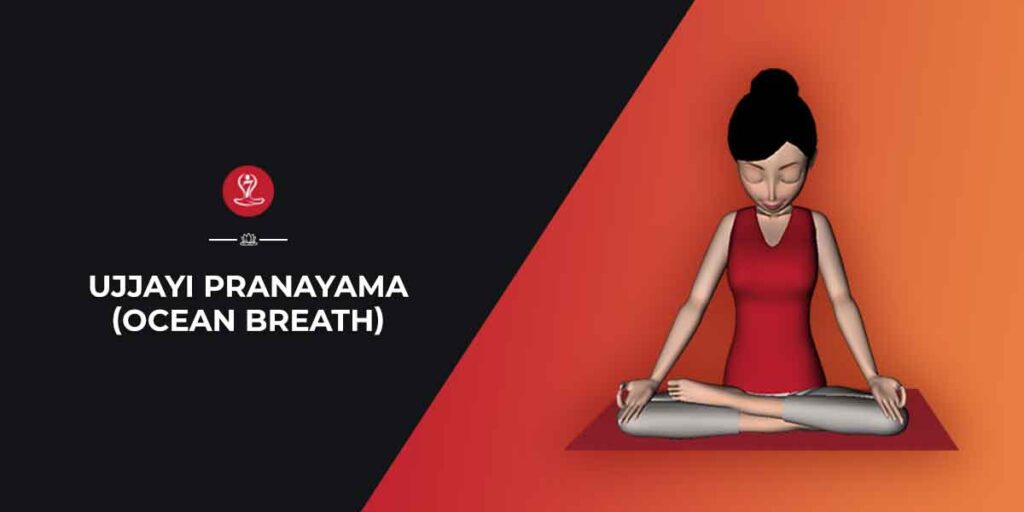
Ujjayi Pranayama is not just a breathing technique. It is a conversation between your body and your breath, a bridge between ancient yogic science and the measurable rhythms of your nervous system, your heart, and your mind. Practiced for thousands of years across the Indian subcontinent, it has been described in classical texts as the breath that conquers all — the senses, the restless mind, the storm of daily stress.
Today, that claim is no longer a matter of faith alone.
Randomized controlled trials published in peer-reviewed journals now confirm what yogis have long known: that slowing and constricting the breath in this precise, intentional way lowers cortisol, reduces blood pressure, quiets anxiety, and restores the nervous system to a state of deep, parasympathetic calm. In a world where chronic stress has become the norm, Ujjayi offers something rare — a tool that is always with you, costs nothing, and requires only the willingness to breathe with awareness.
This is the victorious breath. And it is waiting for you.
What Is Ujjayi Pranayama?
Pranayama, an ancient practice of breath control in yoga, has long been recognized for its ability to purify the prana (vital life force) and promote longevity. Among these techniques, Ujjayi Pranayama stands out for its unique method of breathing that not only cleanses the body’s subtle channels (nadis) but also offers a range of healing benefits, including the enhancement of the immune system.
Understanding Ujjayi Pranayama
The term “Ujjayi” is derived from two Sanskrit words:
- “Uj,” meaning upward movement.
- “Jaya,” meaning conquest or victory.
Together, Ujjayi translates to “the one who is victorious,” and the Ujjayi breath is often referred to as the “victorious breath.” This name reflects the expansive nature of this breath, which fully inflates the lungs, allowing the chest to rise and open much like a victorious warrior. Ancient yoga texts further describe Ujjayi as a practice that helps conquer all the senses, promotes internalization of awareness, and brings mastery over the mind — a claim that modern research is now beginning to validate.
You can also read:- Surya Bhedana Pranayama | Kapalbhati Pranayama | 4:7:8 Meditative Breathing | Scientific Benefits of Pranayama | Chandra Bhedana Pranayama
How to Practice Ujjayi Pranayama
Ujjayi Pranayama involves warming and stretching the breath before it enters the lungs, creating heat that helps eliminate toxins from the body. The technique is characterized by inhaling and exhaling through the nostrils, with the breath directed to the back of the throat. The slight constriction of the glottis reduces airflow, forcing the diaphragm to work harder and contract more fully. This creates a soft hissing sound, often compared to the sound of ocean waves, which is why it is also called Ocean Breath. During exhalation, increased intrathoracic pressure is generated through the gentle contraction of both the glottis and the abdominal muscles — a key mechanism behind many of its physiological benefits.
To perform Ujjayi Pranayama:
- Inhale deeply through the nostrils, slightly contracting the glottis, the upper part of the larynx.
- Exhale slowly, maintaining the contraction, to produce a gentle hissing sound.
- The breath should be long, deep, and maintained in a ratio of 1:2 (inhalation to exhalation).
It is important that the sound is soft and soothing, not harsh, to avoid straining the vocal cords. Ujjayi Pranayama can be practiced for any duration, starting with as few as 12 cycles daily, gradually extending to 10–12 minutes for more profound effects. Throughout the practice, the breath should remain slow, fluid, and relaxed.
Concluding the Practice
To conclude, exhale fully, release the throat constriction, and take a few normal breaths. Pause for a moment to observe the calming and invigorating effects of the practice on your mind and body.
11 Health Benefits of Ujjayi Pranayama
- Slows the breath, potentially increasing longevity. Respiratory efficiency — achieved through slow, deep nasal breathing — has long been associated with greater vitality and a longer lifespan in yogic tradition, a concept now gaining attention in modern breath research.
- Cleanses and refreshes the nadis, the body’s subtle energy channels. By directing prana through the body’s energetic pathways, Ujjayi supports the removal of blockages and promotes the free flow of vital energy.
- Enhances mental clarity and focus. A randomized self-control study found a significant improvement in state-trait anxiety scores after just ten minutes of Ujjayi Pranayama, suggesting that even brief practice can sharpen attention and reduce mental fog.
- Improves memory. The calming effect on the nervous system and the increased oxygenation of the brain support better retention and recall over time.
- Enhances skin color and complexion. The improved circulation and detoxification that result from regular practice bring a natural radiance and vitality to the skin.
- Rejuvenates the nervous system. A short-term pranayama practice of six weeks has been shown to improve parasympathetic (vagal) functions, suppressing sympathetic activity and establishing parasympathetic dominance over cardiovascular regulation. This shift from a stress-driven state to a rest-and-repair state is profoundly restorative for the entire nervous system.
- Promotes sound sleep. A 2024 randomized controlled trial found that six weeks of daily Ujjayi Pranayama produced significant improvements in sleep quality scores among participants. This reinforces its traditional reputation as a practice that invites deep, restful sleep. doaj
- Induces a deep sense of relaxation and calmness. Ujjayi Pranayama is known to boost the activity of the parasympathetic nervous system, helping people relax and lowering their stress levels. This is not merely a subjective feeling — it reflects measurable shifts in autonomic nervous system function. Revistaretos
- Infuses fresh prana (vital energy) into the mind and body. Each slow, conscious breath draws renewed life force into the system, clearing stagnation and revitalizing both mental and physical energy.
- Relieves sinus pressure, reduces headache pain, and strengthens digestive and nervous systems. The rhythmic internal pressure created by the glottic constriction gently massages the internal organs and clears congestion in the head and sinuses.
- Measurably lowers heart rate and blood pressure. A 2024 controlled trial found significant reductions in pulse rate, respiratory rate, systolic blood pressure, and diastolic blood pressure in the Ujjayi Pranayama group. Separate research further confirms that three months of Ujjayi Pranayama can reduce cardiovascular hyperreactivity induced by stress. doajNjppp
Bonus — Reduces Anxiety and Supports Emotional Well-Being. A 2023 randomized controlled trial published in Explore: The Journal of Science & Healing found that women who practiced Ujjayi breath during a yoga session reported significantly reduced anxiety scores. Additionally, the 2024 trial observed significant reductions in cortisol levels, depression scores, fatigue severity, and stress vulnerability — demonstrating that Ujjayi’s healing reach extends well beyond the physical body.
“Practice Ujjayi: Download today app 7pranayama from App Store or Play Store”
Precautions for Ujjayi Pranayama
- Individuals with heart disease or high blood pressure should avoid combining bandhas (body locks) with breath retention during this practice.
- If you experience dizziness, stop the practice immediately and return to normal breathing.
- Avoid tightening your throat excessively.
- Do not force the breath; it should be steady, smooth, and rhythmic at all times.
Frequently Asked Questions (FAQ)
When practiced correctly, Ujjayi produces a soft, continuous hissing or ocean-like sound with each inhale and exhale. The breath feels warm, smooth, and slightly resistant — similar to breathing through a gentle filter. The chest expands fully, the throat carries a mild constriction, and the overall sensation is one of quiet internal warmth and growing stillness. If the sound is harsh or your throat feels strained, ease the constriction slightly.
Normal deep breathing simply increases the volume of air taken in. Ujjayi adds a layer of conscious resistance at the glottis — the upper part of the larynx — which forces the diaphragm to engage more fully, increases intrathoracic pressure on exhalation, activates the parasympathetic nervous system, and generates internal heat. This combination of resistance, sound, and rhythm is what makes Ujjayi uniquely therapeutic, far beyond ordinary deep breathing.
Beginners can start with 12 cycles per session, once daily. As comfort and familiarity grow, the practice can be extended to 10–12 minutes per session. Clinical studies have used sessions ranging from 8 to 30 minutes daily, with measurable physiological benefits observed in as little as six weeks of consistent practice. Morning practice on an empty stomach is traditionally recommended for the deepest effects.
Yes. Ujjayi is considered accessible to most beginners because it requires no breath retention or advanced postures. Start with a comfortable seated position, focus on producing a gentle and consistent throat sound, and keep the breath smooth at all times. If you feel dizzy or short of breath at any point, release the technique and return to normal breathing. Practicing under the guidance of a qualified yoga instructor for the first few sessions is always beneficial.
Absolutely. Ujjayi is widely used as the foundational breath in Vinyasa, Ashtanga, and other dynamic yoga styles. Synchronizing the breath with movement in this way deepens the mind-body connection, maintains a steady internal rhythm during the practice, and has been shown in research to reduce anxiety scores even within a single yoga session. It also helps regulate the pace of movement and prevents practitioners from rushing between poses.
Yes, and the body of evidence is growing. Peer-reviewed studies have demonstrated that Ujjayi Pranayama significantly reduces heart rate, systolic and diastolic blood pressure, cortisol levels, anxiety, fatigue, and depression scores. A 2024 randomized controlled trial found significant improvements across all these markers in participants practicing 30 minutes of Ujjayi daily for six weeks. A 2022 study confirmed measurable improvements in sustained attention and state-trait anxiety after just ten minutes of practice.
Individuals with severe heart disease, uncontrolled high blood pressure, or acute respiratory infections should consult a healthcare professional before beginning Ujjayi practice, particularly if they intend to combine it with breath retention (kumbhaka) and bandhas (body locks). Pregnant women should also seek guidance from a qualified instructor. Anyone who experiences dizziness, chest tightness, or discomfort during practice should stop immediately and return to normal breathing.
Many practitioners report a sense of calm and mental clarity immediately after their first session. More sustained physiological benefits — such as improved sleep, reduced blood pressure, and lower stress levels — have been observed in clinical research after four to six weeks of consistent daily practice. As with any discipline rooted in yoga, regularity and patience are the true keys to transformation.
Yes, this is one of its most well-documented benefits. The gentle glottic constriction stimulates the vagus nerve, shifting the autonomic nervous system from sympathetic dominance (fight-or-flight) to parasympathetic dominance (rest-and-restore). This directly lowers cortisol, slows the heart rate, and induces the relaxation response. Research has shown Ujjayi to be effective in alleviating everyday stress, anxiety, depression, and even post-traumatic stress-related conditions.
You can begin your Ujjayi practice today through the 7pranayama app, available on both the App Store and Play Store. The app offers guided breathing sessions, step-by-step instructions, and timed practice tools to support both beginners and experienced practitioners on their journey toward greater health and inner peace.
Conclusion
Ujjayi Pranayama offers a pathway to greater health, vitality, and inner peace. Whether you are seeking to calm your mind, boost your immune system, or simply improve your overall well-being, this ancient breathing technique provides a simple yet profound tool for achieving balance in your life. What makes Ujjayi especially compelling today is that its age-old promises — from lowering blood pressure and easing anxiety to improving sleep and restoring nervous system balance — are now being confirmed by rigorous clinical research. Regular practice can bring about transformative benefits, enhancing both physical and mental health, and bridging the timeless wisdom of yoga with the insights of modern science.
