
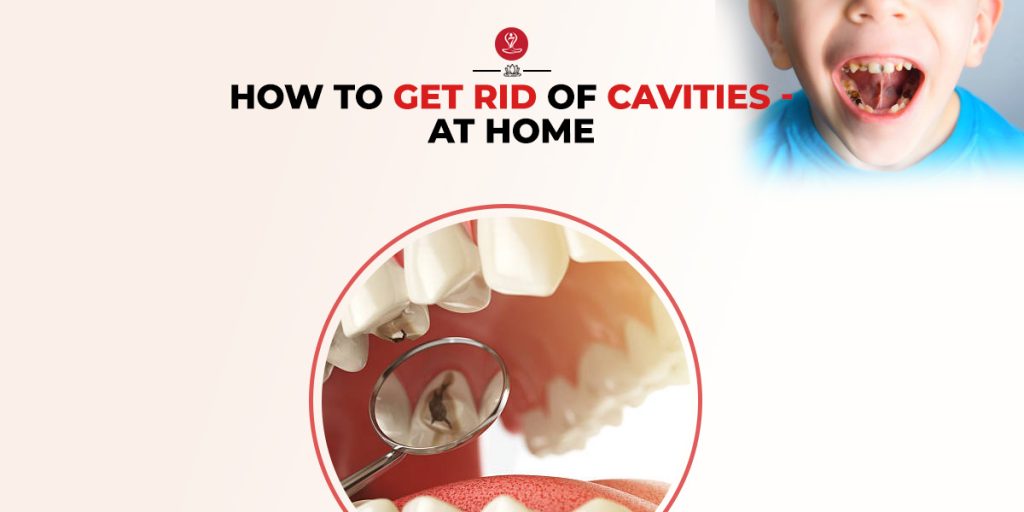
Ever wonder why cavities (or dental caries) show up? It usually comes down to three things: oral bacteria, a diet heavy on sugar, and missed brushing sessions.
When you eat sugary or starchy foods, the bacteria in your mouth—specifically a pesky culprit called Streptococcus mutans—create a sticky film known as plaque. This plaque produces harsh acids that eat away at your tooth enamel. If left unchecked, that damage turns into a permanent hole, or a cavity.
The good news? You can take control of your dental health right from your own bathroom. By building better hygiene habits and making smarter lifestyle choices, you can stop decay before it starts.
Try these simple, at-home tips to keep your teeth strong and cavity-free:
Natural remedies to get rid of cavities on teeth
Brush your teeth twice a day: Use fluoride toothpaste and a soft-bristled toothbrush. Brush for at least two minutes each time, covering all surfaces of your teeth.
Use mouthwash: An antimicrobial mouthwash can help reduce the bacteria in your mouth, promoting a healthier environment for your teeth and gums.
Cut out sugary foods: Sugary and acidic foods can contribute to cavity formation. Try to minimize your intake of candies, sugary drinks, and acidic foods like citrus fruits.
Floss daily: Flossing helps remove plaque and food particles from between your teeth and under the gumline, where your toothbrush cannot reach effectively.
Chew sugar-free gum: Chewing sugar-free gum after meals can stimulate saliva production, raise the pH of plaque, and reduce S. mutans, which helps neutralize acid and wash away food particles.
Vitamin D: Vitamin D is well known for its role in promoting bone health, as it aids in the absorption of calcium and phosphorus, which are crucial for maintaining strong teeth and bones. Insufficient vitamin D levels have been associated with an increased risk of dental problems, such as tooth decay (dental caries) and periodontal (gum) disease.
Oil pulling: Oil pulling is an ancient traditional practice originating from Ayurvedic medicine, which involves swishing oil (such as sesame oil, coconut oil, or sunflower oil) in the mouth for a certain period, typically around 10-20 minutes, and then spitting it out.
Some studies have indicated that oil pulling with sesame oil may help reduce plaque and gingivitis, but the evidence is not yet robust. The antimicrobial properties of sesame oil could potentially help in reducing the number of bacteria in the mouth, which can contribute to improved oral health.
Eat licorice root: Research suggests that extracts from the Chinese licorice plant (Glycyrrhiza uralensis) may indeed have the potential to combat the bacteria responsible for dental cavities. Some compounds in licorice extracts have been found to have antibacterial properties, particularly against the cavity-causing S. mutans.
Aloe vera gel: Aloe vera gel can directly help fight cavity-causing oral microbes and prevent cavities. Most research on aloe vera’s oral health benefits has focused on its potential in treating conditions like gingivitis and periodontitis, which are gum-related issues, rather than cavity prevention.
Limit snacking: Frequent snacking can increase the time your teeth are exposed to acids and sugars. Try to stick to regular meal times instead.
Eat a balanced diet
Consume a well-balanced diet that includes plenty of fruits, vegetables, whole grains, and proteins rich food. These foods provide essential nutrients for your oral and overall health.
Visit your dentist regularly
Schedule regular dental check-ups and cleanings to detect any dental issues early on and ensure professional cleaning of your teeth.
Conclusion
Cavity formation is primarily influenced by the presence of certain oral bacteria, such as Streptococcus mutans, which produce acids that erode tooth enamel and lead to decay.
To prevent cavities effectively, it is essential to maintain good oral hygiene practices, such as regular brushing, flossing, and dental check-ups, as well as reducing sugar intake, as sugars contribute to the growth of cavity-causing bacteria.
FAQ
It is a combination of bacteria (specifically Streptococcus mutans), a diet high in sugar/refined carbs, and poor hygiene. These bacteria create plaque, which produces acids that erode your tooth enamel.
The guide focuses on prevention and early-stage management. While natural remedies can strengthen enamel and reduce bacteria, they cannot physically fill a hole in your tooth once a permanent cavity has formed.
By swishing oil (like sesame or coconut oil) for 10–20 minutes, you can reduce the number of harmful bacteria and plaque in your mouth.
You should minimize sugary drinks, candies, and highly acidic foods like citrus fruits, as these contribute directly to enamel erosion.
Twice a day for at least two minutes each time using fluoride toothpaste.
