
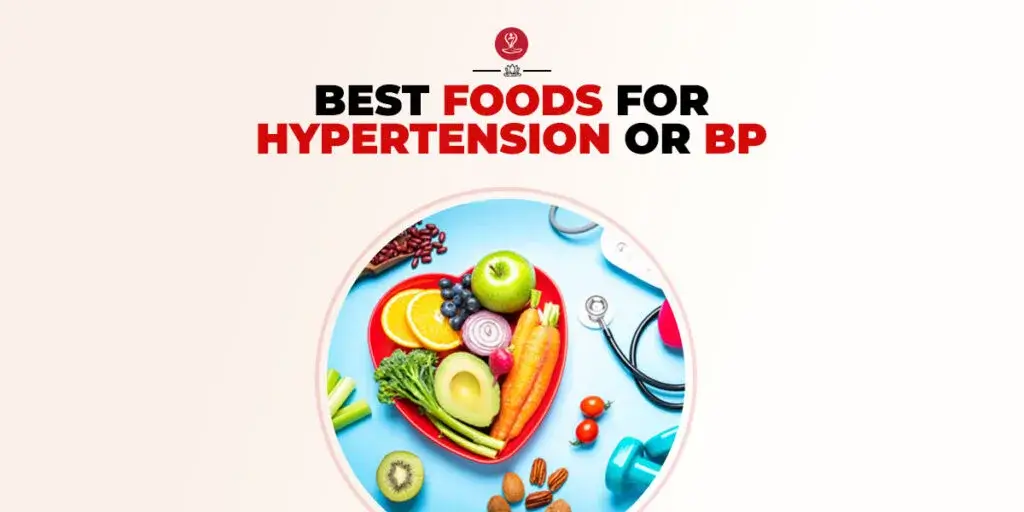
High blood pressure, also known as hypertension, is one of the most common yet preventable risk factors for heart attacks, heart disease, and vision problems. Surprisingly, more than one billion people worldwide are affected by high blood pressure. While this condition is widespread, it is not unavoidable. Adopting a balanced, heart-healthy diet plays a crucial role in managing blood pressure. Following a high blood pressure diet can help lower blood pressure levels and significantly reduce the risk of cardiovascular disease.
Research suggests that a healthy diet—especially one rich in essential nutrients such as potassium and magnesium—plays a vital role in maintaining optimal blood pressure levels and may help lower high blood pressure.
Keep reading to learn more about effective ways to reduce high blood pressure, including simple and practical dietary changes you can make every day.
Best Foods to Eat for High Blood Pressure
Eating certain types of food can help you lower your blood pressure.
1. Citrus Fruits
Grapes, oranges, kiwis, lemons, and grapefruit come under the citrus fruits. They are considered the best source of Vitamin C. These are capable of reducing high blood pressure. Citrus fruits are high in vitamins, minerals, and plant compounds that may help keep your heart healthy.
Studies have also shown that consuming 500 grams of vitamin C daily can reduce systolic and diastolic blood pressure by 3.84 mmHg and 1.48 mmHg, respectively. Drinking orange and grapefruit juice daily can lead to positive effects on health in the near future.
2. Berries
Blueberries and strawberries are rich sources of antioxidants, including anthocyanins. Foods rich in anthocyanins can protect a person from problems caused by high blood pressure and arteriosclerosis.
Strawberries contain antioxidant compounds called anthocyanins, which are a type of flavonoid. In one study, researchers found that people with the highest intakes of anthocyanins (mainly strawberries) had an 8 percent reduction in their risk of high blood pressure compared to those with low anthocyanin intakes.
Another study noted that eating a cup of blueberries every day can reduce systolic blood pressure, the most common type of blood pressure. This contraction of the heart muscle then puts pressure on the arteries. The same amount of blueberries can improve the functioning of blood vessels. Phytochemicals and anthocyanins can be credited for this benefit.
Blueberries, raspberries, chokeberries, cloudberries, and strawberries are some of the berries that are rich in antioxidants called anthocyanins.
3. Banana
Bananas are a good source of potassium, a mineral that plays an important role in the management of high blood pressure. Apart from this, sodium is also found in very small amounts in bananas. Patients with high blood pressure are advised to avoid taking sodium. The potassium present in bananas acts as a vasodilator, which reduces the effect of sodium and reduces the tension in the walls of blood vessels.
4. Leafy Green Vegetables
To lower blood pressure, eat cabbage, lettuce, spinach, arugula, radish greens, fennel, mustard greens, and turnip greens in your diet. Leafy greens are extremely helpful in reducing the effects of stress. The potassium present in leafy greens helps in flushing out excess sodium (one of the main causes of high blood pressure) from the body, thereby keeping blood pressure under control.
Research suggests that eating nitrate-rich vegetables every day can reduce high blood pressure for up to 24 hours.
5. Pistachios
Pistachios are very good for health, rich in fiber, protein, vitamin C, zinc, copper, potassium, iron, calcium, and many other essential nutrients. It has been concluded in 21 types of research that pistachios can easily balance both SBP and DBP.
6. Celery
This herb is popular in American, European, and Middle Eastern cuisines, and in addition to adding great flavor to food, it is added to, among other things. Such as vitamin C, there are compounds called carotenoids and phthalides, which are significantly associated with blood pressure.
In addition, there are some animal studies that have shown that celery helps lower both systolic and diastolic blood pressure. Celery also acts as a calcium channel blocker, which is known to relax and dilate blood vessels.
7. Spinach
Spinach is a green, healthy food. Magnesium, potassium, folate, and nitrates are also important in spinach, which makes it an excellent choice for people with high blood pressure.
Spinach is also rich in folate and magnesium. Folate and magnesium are helpful in keeping blood pressure levels under control.
8. Olive oil
Olive oil is good for fried foods. It contains 74 percent monounsaturated fat. It reduces the risk of heart disease. Extra virgin olive oil is a better option for people suffering from high blood pressure as it contains more vitamin-E than other varieties.
Scientific research has found that if you include a limited amount of olive oil in your diet regularly, then bad cholesterol and systolic blood pressure can be reduced. This can have an effect not only on young women, but also on older women.
9. Beetroot
Beetroot contains phytochemicals and antioxidants like betacyanin. They help in increasing blood flow, keeping the liver healthy, and purifying the blood.
Beetroot is rich in antioxidants, phytochemicals, and minerals like nitric oxide, potassium,m and magnesium, which help in controlling blood pressure. Nitric oxide is a molecule produced by our bodies that helps cells communicate by sending signals throughout the body. This further helps in improving the blood flow throughout the body.
The iron, antioxidants, and phytochemicals present in it help to purify the blood and increase the flow of oxygen to the brain.
According to research, 15 patients of high blood pressure who drank 250 ml of juice, their blood pressure was found to be 10 mmHg lower.
They say, “We hope that the person who consumes vegetables rich in nitrates, their heart will continue to function better. Vegetables with leaves or beetroot can be very beneficial.
10. Beans and lentils
Beans and lentils are rich in nutrients, which help in controlling blood pressure. The main reason for this is the nutrients found inside beans and pulses, such as fiber, magnesium, and potassium. Several studies have shown that eating beans and lentils can lower high blood pressure levels.
A review of 8 studies, which involved 554 people, indicated that people’s SBP was lower when other foods were replaced with beans and lentils. And high blood pressure levels were seen to improve.
Conclusion
High blood pressure is a serious medical condition that significantly increases the risk of heart, brain, kidney, and other diseases. Stress, obesity, excessive smoking, alcohol consumption, and high intake of the wrong foods in the daily diet are some of the possible causes of high blood pressure.
Simple changes in diet, sleep cycle, and physical activity can prove to be highly beneficial in controlling high blood pressure.
FAQ
The best diet for high blood pressure emphasizes fruits, vegetables, whole grains, lean proteins, low-fat dairy, and foods low in sodium. The DASH diet is one of the most commonly recommended eating plans for managing blood pressure.
Foods rich in potassium, magnesium, and fiber may help support healthy blood pressure levels. Examples include bananas, spinach, sweet potatoes, oats, beans, avocados, and berries.
People with high blood pressure should limit highly processed foods, fast food, salty snacks, sugary beverages, processed meats, and foods containing excessive sodium.
Proper hydration supports overall cardiovascular health and may help maintain healthy circulation. While water alone is not a treatment for high blood pressure, staying hydrated is an important part of a healthy lifestyle.
Yes. The DASH (Dietary Approaches to Stop Hypertension) diet is specifically designed to support healthy blood pressure levels through balanced nutrition and reduced sodium intake.
For many individuals, maintaining a healthy weight may help support healthy blood pressure levels and improve overall heart health.
Eggs can be part of a balanced diet for most people when consumed in moderation and combined with other heart-healthy foods.
The ideal sodium intake varies by individual. Many health experts recommend limiting excess sodium and reducing consumption of processed foods that contain hidden salt.
