
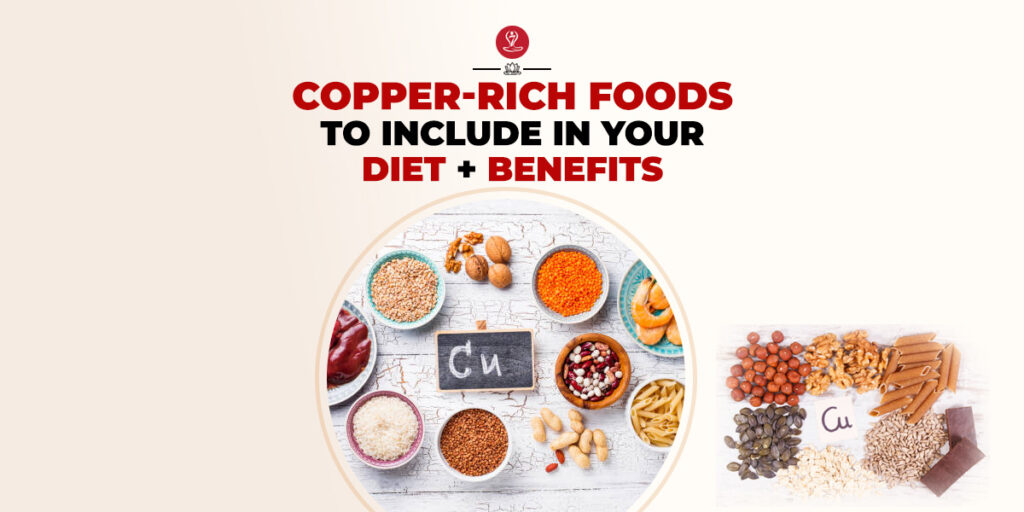
Copper is an essential trace mineral that acts as a spark plug for your metabolism. Since the human body cannot produce copper on its own, it must be obtained through a balanced diet. From supporting brain development to strengthening your immune system, this tiny mineral plays a massive role in your overall well-being.
Why Your Body Needs Copper
Copper works in tandem with iron to help the body form red blood cells. It is also a key component of superoxide dismutase, a powerful antioxidant enzyme that protects cells from damage. Maintaining healthy copper levels is vital for:
- Energy Production: Assisting enzymes that convert food into fuel.
- Connective Tissue: Maintaining the integrity of your heart and blood vessels.
- Brain Health: Supporting neurotransmitter function and cognitive development.
Best Copper-Rich Foods to Include in Your Diet
The recommended daily allowance (RDA) for most adults is approximately 900 micrograms (mcg). Below are the most nutrient-dense sources to help you meet that goal.
1. Spirulina
This blue-green algae is a nutritional powerhouse. Just 7 grams (about one tablespoon) of dried Spirulina provides nearly 50% of your daily copper requirement.
2. Shiitake Mushrooms
Four dried shiitake mushrooms can meet almost your entire daily copper needs. They are also excellent sources of fiber, selenium, and Vitamin D.
3. Shellfish (Oysters)
Oysters are among the most concentrated sources of copper available. A small serving (roughly 10–20 grams) of cooked oysters can easily fulfill your daily requirement.
4. Nuts and Seeds
Perfect for snacking, nuts and seeds are packed with healthy fats and minerals.
- Cashews: 28 grams provides 67% of the Daily Value (DV).
- Sesame Seeds: 1 tablespoon provides roughly 44% of the DV.
- Sunflower Seeds: 1 cup (with hulls) offers about 0.8 mg (41% DV).
- Almonds: 28 grams provides 33% of the DV.
5. Leafy Greens
Vegetables like Swiss chard and Spinach are low in calories but high in minerals.
- One cup of cooked Swiss chard provides 33% of your daily copper.
- Two cups of Kale juice can provide up to 0.48 mg, covering over half of your RDA.
6. Dark Chocolate
In moderation, dark chocolate is a fantastic mineral source. A high-quality bar with high cocoa content can provide significant amounts of copper alongside protective antioxidants.
Recommended Daily Intake
| Category | Recommended Amount (mcg/day) |
| Adults (19+ years) | 900 mcg |
| Pregnant Women | 1,300 mcg |
| Lactating Women | 1,300 mcg |
Copper and Health
Copper is more than just a mineral; it’s a vital catalyst. Because dozens of enzymes require both iron and copper to produce red blood cells, maintaining a stable copper level is essential for oxygen transport and cardiovascular health.
Potential Risks of Imbalance:
Excess: While rare from food alone, excessive copper can impair neuron signa
Deficiency: May lead to conditions such as neutropenia (low white blood cell count), anemia, and premature aging of connective tissues.
Conclusion
Copper is an essential mineral that must be supplied through your diet. From boosting metabolism to ensuring the brain has the energy it needs to function, copper’s benefits are wide-reaching. By incorporating the foods listed above, you can support your nervous system and maintain peak physical energy naturally.
Frequently Asked Questions (FAQ)
For those on a plant-based diet, Spirulina, Sesame Seeds, and Cashews are the most concentrated sources. One tablespoon of dried spirulina provides nearly half of the recommended daily intake for adults.
It is very rare to experience copper toxicity from whole food sources alone. Most cases of copper excess are linked to over-supplementation or environmental factors like copper piping. Always stick to a balanced diet of natural foods to maintain safe levels.
Copper and iron have a synergistic relationship. Copper helps your body absorb iron from the gut and is essential for the formation of hemoglobin. This is why a copper deficiency can often mimic the symptoms of anemia.
Copper is a stable mineral and is generally not destroyed by heat. However, some minerals can leach into boiling water. Steaming or roasting copper-rich vegetables like Swiss chard or Shiitake mushrooms is the best way to preserve their nutritional profile.
Common signs include persistent fatigue, frequent illness (due to a weakened immune system), brittle bones, and premature graying of hair. If you suspect a deficiency, it is best to consult a healthcare professional for a blood test.
