
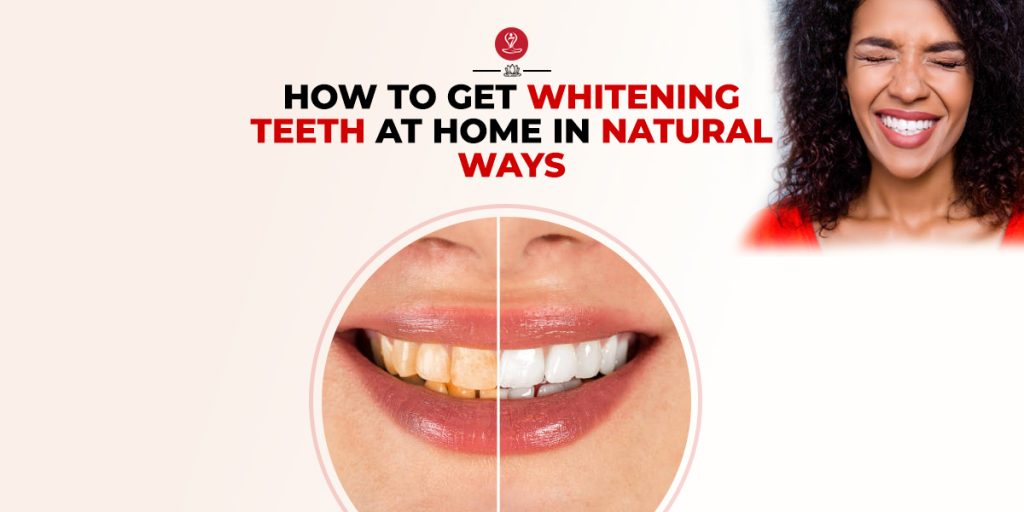
Whitening your teeth naturally can be a safe and effective way to achieve a brighter smile. A whiter smile does more than just look good—it can significantly increase your self-confidence and self-esteem. Whether you are preparing for a job interview or improving your social interactions, feeling confident about your smile can positively impact many aspects of your life.
While the market is full of products catering to different budgets and preferences, many of these options rely on harsh chemicals to bleach teeth. For those who want to avoid chemical-based products or potential side effects like gum irritation and tooth sensitivity, natural home remedies offer a gentler alternative.
Natural Remedies for a Brighter Smile
Natural ways to whiten teeth at home focus on removing surface stains to enhance your appearance. While these methods may not produce results as rapidly as chemical treatments, they provide a safe, chemical-free path to a brighter smile.
1. Using Baking Soda and Water
Baking soda (sodium bicarbonate) is a popular household staple known for its natural whitening properties. This is why it is a key ingredient in many commercial toothpastes.
- How it works: Baking soda acts as a mild abrasive that helps scrub away surface stains.
- The Benefit: When used properly and in moderation, it is an effective and safe option for improving the brightness of your teeth.
2. The Practice of Oil Pulling
Oil pulling is an ancient Ayurvedic practice designed to improve oral health. By swishing oil—such as coconut, sesame, or sunflower oil—in your mouth, you can help enhance your smile over time.
- The Process: Take a tablespoon of oil and swish it gently for 10–15 minutes, pushing and pulling it between your teeth.
- Consistency is Key: This is not a quick-fix solution. It may take several weeks or months of consistent use to see a noticeable effect on whiteness.
3. Whitening with Hydrogen Peroxide
Hydrogen peroxide is a common bleaching agent found in professional whitening products. It is effective because it kills bacteria while lifting stains from the enamel.
- Usage: Swish a small amount of the solution in your mouth for 30 seconds to one minute. Do not swallow the mixture.
- Caution: Research suggests that toothpaste containing hydrogen peroxide is more effective than standard versions. However, avoid excessive use to prevent harm to your gums and enamel.
4. Apple Cider Vinegar (ACV)
Apple cider vinegar is a natural product that can remove tough stains, but it must be handled with care due to its acidity.
Important: Never apply undiluted ACV directly to your teeth. The acetic acid can erode tooth enamel if used improperly.
- The Safe Method: Always dilute it with water. The recommended ratio is one part vinegar to five parts water.
5. Fruit Enzymes: Strawberries and Pineapple
Certain fruits contain natural enzymes and acids that help break down tooth stains.
- Strawberries: A popular remedy involves mixing the pulp of strawberries with a pinch of baking soda and applying it to the teeth with a finger or toothbrush.
- Pineapple: This fruit contains bromelain, an enzyme that studies have shown can help remove surface stains effectively.
The Foundation: Proper Brushing and Flossing
No whitening remedy can replace a solid oral hygiene routine. Brushing and flossing are essential for removing plaque, preventing gum disease, and removing bad breath.
- Brush Regularly: Use a soft-bristle toothbrush to clean your teeth without damaging the enamel.
- Floss Daily: Flossing reaches the food particles and plaque between teeth that a toothbrush cannot reach.
Conclusion
Natural teeth whitening methods are excellent for removing surface stains and enhancing your smile over time without harsh chemicals. While these remedies require more patience than clinical treatments, maintaining good oral hygiene and using these natural options will help you achieve a healthier, brighter look safely.
FAQ
Yes, several natural remedies such as baking soda, oil pulling, strawberries, and hydrogen peroxide are commonly used to help remove surface stains and improve teeth brightness naturally.
Baking soda is a mild abrasive that may help remove surface stains from teeth and is often used in commercial toothpaste for whitening purposes.
Apple cider vinegar should always be diluted before use because its acidic nature may harm tooth enamel if used excessively or directly on the teeth.
Oil pulling is an Ayurvedic practice that involves swishing oil in the mouth for several minutes to support oral hygiene and potentially improve the appearance.
Natural remedies may take weeks or months of regular use to show noticeable improvements in teeth whiteness.
