
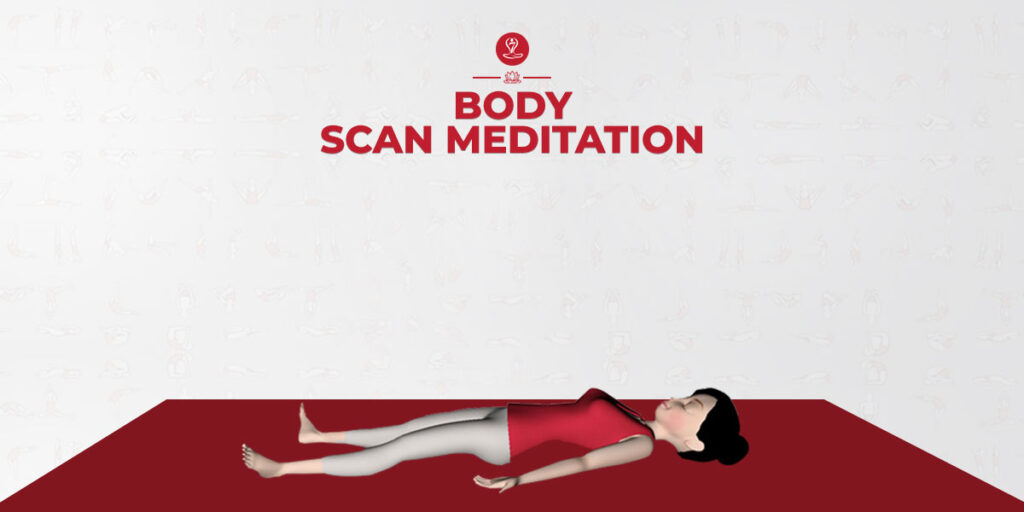
In today’s fast-paced world, the profound benefits of yoga and meditation are well-recognized. While numerous meditation techniques exist—each offering unique advantages—this article focuses on a powerful, specialized practice: body scan meditation.
This mindfulness technique allows you to tune in to your physical self, helping you identify and understand areas of pain, tension, or discomfort by systematically scanning your entire body. The core concept is simple: to cultivate a deeper awareness of your physical state. By starting at the top of your head and slowly moving down to your toes, you observe how you feel at every stage. Think of this practice as a mental X-ray that allows you to visualize, acknowledge, and release physical stress.
Table of Contents
- What Does Body Scan Meditation Focus On?
- Why It Is Important to Do Body Scan Meditation
- How to Practice Body Scan Meditation: A Step-by-Step Guide
- The Core Benefits of Body Scan Meditation
- Frequently Asked Questions (FAQ)
- The Bottom Line
What Does Body Scan Meditation Focus On?
Body scan meditation bridges the gap between your mind and body by bringing sharp awareness to every physical sensation.
When we develop a better understanding of our physical self, we become highly attuned to our internal sensations. Whether it is severe discomfort in your back, stiffness in your shoulders, or a dull ache in your head, the body scan teaches you to notice tension, tightness, heat, and underlying emotions. By recognizing these physical states without judgment, you gain the clarity needed to manage and alleviate them more effectively. Ultimately, a body scan tunes your body and deeply reconnects you to your physical self.
Why It Is Important to Do Body Scan Meditation
Experts suggest that body scan meditation can balance your physical and emotional health in unique ways. Regularly practicing this technique can help you:
- Improve Sleep Quality: Calms the nervous system to prepare the body for rest.
- Reduce Chronic Pain: Helps manage discomfort by releasing localized tension.
- Cultivate Self-Love: Teaches you to appreciate and connect with your body without judgment.
- Relieve Anxiety and Tension: Lowers stress levels by bringing your mind into the present moment.
- Curb Cravings: Aids in behavioral mindfulness, helping individuals looking into quitting smoking or reducing addictive cravings.
How to Practice Body Scan Meditation: A Step-by-Step Guide
To reap the full benefits of meditation, beginners should start small. Begin with just 2 minutes a day, gradually increasing your practice to 5 to 10 minutes as your concentration improves.
💡 Pro-Tip: To maximize your focus, consider practicing Pranayama (breathwork) before your meditation session. Utilizing tools like the 7pranayama app can significantly enhance your concentration power before you sit or lie down to meditate.
Step 1: Get Comfortable
Find a quiet space and sit or lie down in a comfortable position where you feel free from distractions. While sitting works well, lying down flat on your back is widely considered the best position for a body scan meditation.
Step 2: Take Deep Breaths
Conscious breathing is the foundation of any meditation practice. Breathe in slowly, release the breath gently, and fix your attention entirely on its rhythm. Count each deep breath to anchor your mind, but avoid intentionally forcing the speed or intensity of your inhalation and exhalation.
Step 3: Choose Your Starting Point
The most seamless way to scan your body is to start at the very top. Focus your awareness on your head, then slowly transition your focus downward: your face, throat, chest, torso, arms, hands, legs, and finally, your toes. Continue taking deep, slow breaths as your awareness moves from one muscle group to the next.
Step 4: Pay Attention to Tension
As you scan, note any areas experiencing unusual tightness, discomfort, or sensations that deviate from normal. When you encounter a tight spot, gently isolate your focus on that specific body part, allowing the rest of your surroundings to fade away.
Step 5: Acknowledge Without Judgment
Accept your discomfort exactly as it is without critiquing or blaming yourself. Simply acknowledge the presence of the pain or stiffness.
Step 6: Scan the Entire Body and Observe Emotions
As you progress through your full body scan, notice if certain physical sensations trigger internal emotions. Physical discomfort is often linked to underlying anger, depression, irritation, or anxiety. Safely observe these rising emotions and gently explore why you might be holding onto them.
Step 7: Keep Breathing and Relax
Maintain your slow, rhythmic breathing. With every exhalation, visualize the pain, tightness, and mental stress leaving your body. Allow your muscles to soften and sink completely into relaxation.
Step 8: Return to the Present
Gently open your eyes and bring your awareness back to the room. While some individuals notice immediate physical relief after their first body scan, others may not feel an instant change. Occasionally, bringing intense awareness to your body can temporarily make you more conscious of pre-existing discomfort—do not worry, this is a normal part of the process and improves with regular practice.
The Core Benefits of Body Scan Meditation
1. Enhanced Sleep Quality & Insomnia Relief
Practicing a body scan meditation right before bedtime relaxes physical tension and slows down racing thoughts. This shift triggers the body’s relaxation response, making it easier to fall into a deep, restful sleep.
2. Alleviation of Stress and Anxiety
Daily mindfulness meditation has been scientifically proven to protect and improve mental health. Consistent practice relieves deep-seated psychological tension, reduces fear, and calms systemic anxiety.
3. Chronic Pain Management
Body scan meditation is highly recommended for individuals managing chronic pain conditions. By consciously identifying and softening areas of resistance, it helps overcome muscular tension, reduces inflammation flare-ups, and alleviates stress-induced digestive issues.
4. Improved Perceptual Decision-Making
Emerging studies suggest that tuning in to your physical “gut feelings” through body scans sharpens your somatic awareness, which directly improves clarity and cognitive decision-making capabilities.
Frequently Asked Questions (FAQ)
Lying flat on your back is generally considered the best position for a body scan because it allows every muscle group to completely surrender weight and relax. However, if lying down makes you too sleepy, sitting in a comfortable, upright position works
This is a very common experience! The meditation doesn’t create new pain; rather, it turns down the mental noise so you can finally hear what your body has been trying to tell you. Acknowledging this discomfort without judgment is the first step toward releasing it.
Beginners should start with short sessions of about 2 minutes. As your concentration builds and your mind wanders less, you can gradually extend the time to 5, 10, or even 20 minutes.
The Bottom Line
Performing a body scan meditation is an exceptional tool for understanding where your body stores psychological stress, while simultaneously providing you with the exact mechanism to release it. Whether you use it as a morning grounding exercise or a nighttime tool to fight insomnia, it serves as a highly versatile practice for holistic well-being.
