
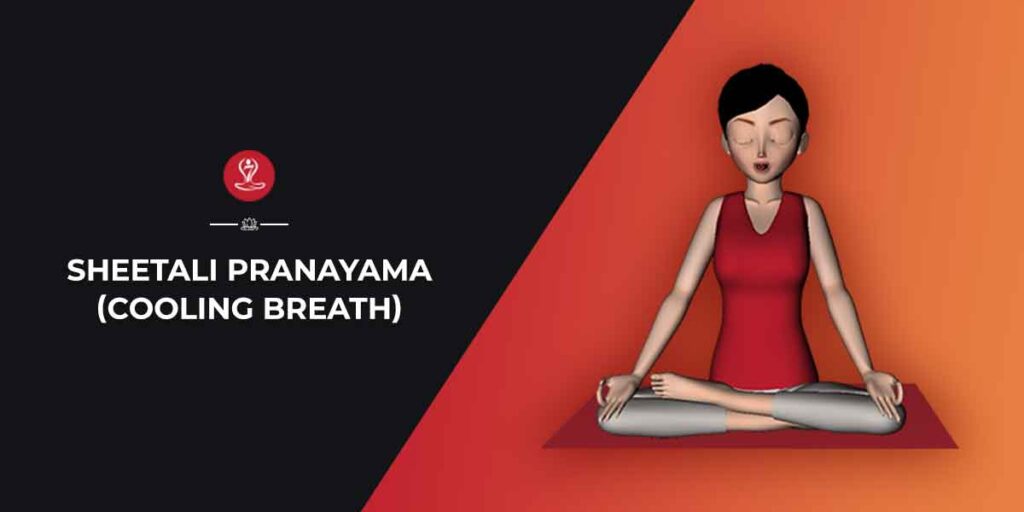
Sheetali pranayama is one of the most calming breathing techniques in yoga. Also called the Cooling Breath, it involves inhaling through the tongue and exhaling slowly through the nose. This simple breathing method is traditionally practiced to calm the body, relax the mind, and support emotional balance.
In this updated guide, you’ll learn the correct way to practice Sheetali pranayama, its potential benefits, precautions, and how beginners can practice it safely using the 7Pranayama app.
What You’ll Learn in This Guide
- What Sheetali pranayama is
- How to do Sheetali step-by-step
- Research-based benefits (updated and accurate)
- Common mistakes beginners make
- Who should avoid this breathing technique
- How to practice Sheetali daily using the 7Pranayama app
What Is Sheetali Pranayama?
Sheetali pranayama is a yogic breathing technique in which you inhale through a rolled tongue and exhale through the nose. The word Sheetali comes from Sanskrit and means cooling or calming.
Traditionally, this breathing technique is believed to reduce excess heat in the body and calm the nervous system. However, modern research shows that breathing practices like Sheetali may support relaxation, heart-rate balance, and breathing efficiency rather than directly “cooling the body.”
That’s why it is best described as a calming and relaxing breathing technique rather than a medical treatment.
How to Do Sheetali Pranayama (Step-by-Step)
Follow these simple steps carefully.
Step 1: Sit in a Comfortable Position
Sit in Sukhasana, Padmasana, or on a chair with your spine straight. Relax your shoulders and close your eyes.
Step 2: Roll the Tongue
Stick your tongue slightly out and roll the sides to form a tube. If you cannot roll your tongue, you can practice Sitkari pranayama instead.
Step 3: Inhale Slowly Through the Tongue
Inhale slowly and deeply through the rolled tongue. Try to make the breath smooth and calm.
Step 4: Close the Mouth and Exhale Through the Nose
After inhaling, close your mouth and exhale slowly through both nostrils.
Step 5: Repeat Calmly
Start with 8–10 rounds. Beginners should not rush the breathing.
Updated Benefits of Sheetali Pranayama
Instead of exaggerated claims, here are the realistic and research-supported benefits.
May Help Calm the Nervous System
Breathing techniques like Sheetali are often used in yoga to support relaxation and emotional balance.
May Support Heart Rate and Blood Pressure Balance
Some small clinical studies suggest that Sheetali pranayama may help support healthy heart-rate and blood-pressure responses when practiced regularly.
May Help Improve Mental Focus
Slow breathing techniques may help improve concentration and calm thinking.
May Help Reduce Stress and Tension
Many people use Sheetali after yoga or meditation to feel more relaxed.
May Help During Hot Weather
Traditionally, this breathing technique is practiced in summer because it may help create a cooling sensation in the mouth and throat.
Common Mistakes Beginners Should Avoid
Many people practice Sheetali incorrectly. Avoid these mistakes:
- Breathing too fast
- Forcing the tongue to roll
- Practicing immediately after eating
- Breathing too deeply in the beginning
- Practicing in polluted or dusty areas
Always focus on slow and calm breathing.
Who Should Avoid Sheetali Pranayama?
Sheetali is generally gentle, but it may not be suitable for everyone.
Avoid or practice only under guidance if you have:
- Asthma or breathing problems
- Very low blood pressure
- Frequent throat infections
- Cold or sinus problems
- Recent surgery
Important: Always consult your healthcare provider before starting any new breathing practice.
Best Time to Practice Sheetali Pranayama
For best results:
- Practice in the morning or evening
- Avoid practicing in very cold weather
- Practice on an empty stomach
- Start with short sessions and increase slowly
Consistency matters more than duration.
Practice Sheetali Daily Using the 7Pranayama App
If you are a beginner, it can be difficult to maintain the correct rhythm. The 7Pranayama app helps you practice Sheetali safely and consistently.
Inside the app, you can:
- Follow guided breathing timing
- Practice calm breathing at the right speed
- Combine Sheetali with other beginner pranayama
- Build a daily breathing habit easily
Instead of guessing the timing, you can simply follow the guided animation and focus on your breathing.
Final Thoughts
Sheetali pranayama is one of the simplest and most calming breathing techniques you can practice at home. It does not require flexibility, experience, or long practice time. Even a few slow rounds each day may help you feel more relaxed, mentally clear, and refreshed—especially during hot weather or stressful days.
If you are just starting your pranayama journey, Sheetali is a great place to begin. Focus on slow breathing, avoid rushing, and stay consistent rather than practicing for long periods in one day. Over time, regular practice may support better breathing awareness and a calmer mind.
To make the habit easier, you can practice Sheetali daily using the 7Pranayama app, where you can follow guided breathing timing and stay consistent without worrying about speed or rhythm.
Start slowly, practice safely, and let your breathing become a natural part of your daily routine. 🌿
FAQ
Yes, it is one of the easiest breathing techniques to learn and is suitable for beginners.
Start with 8–10 rounds and increase gradually.
Slow breathing techniques may help support relaxation and stress management when practiced regularly.
Yes, it is commonly practiced during hot weather because it creates a cooling sensation.
