
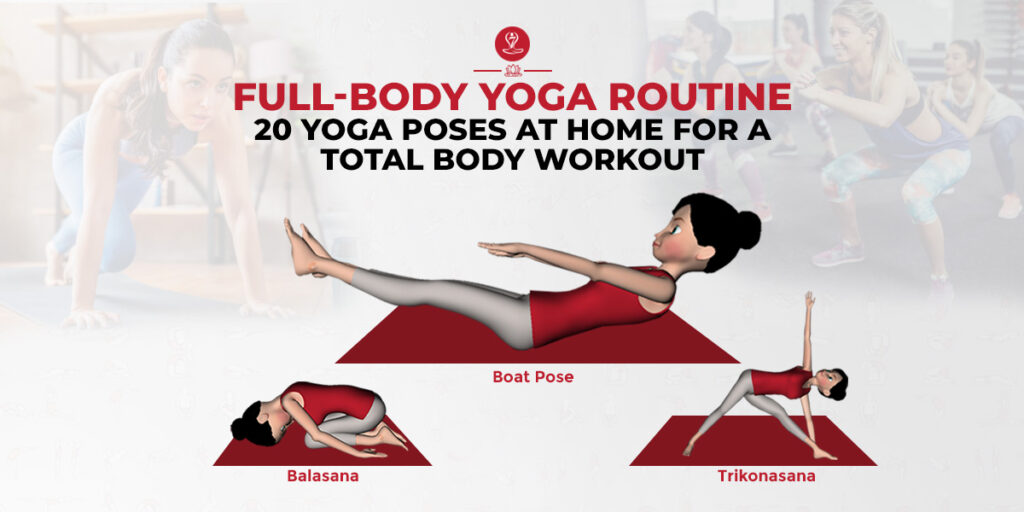
Want to get an amazingly perfect body shape, get more energy, remove body weakness, improve your mind and body connection, and relieve stress naturally? Then try these easy yoga poses to the rescue, which are perfect for beginners.
Enjoy yoga poses at home alone or combine them with your other favorite full-body yoga routines for greater body strengthening and toning.
Quick Summary
A Full-Body Yoga Routine consists of challenging postures designed to build overall physical strength and tone the entire body while providing classic calming, meditative benefits. Perfect for beginners and experienced practitioners alike, moving through a variety of poses targets multiple muscle groups to improve energy levels, remove body weakness, and enhance the mind-body connection. Practicing this 20-pose sequence at home or combining it with other routines helps achieve a better body shape and safely relieves stress naturally.
Table of Contents
- Total Body Workout Yoga for everyone
- 20 Easy Yoga Poses for a Full-Body Workout
- 1. Tadasana (Mountain Pose)
- 2. Vrikshasana (Tree Pose)
- 3. Ardha Chakrasana (Half Wheel Pose)
- 4. Padahastasana (Hand to Feet Pose)
- 5. Trikonasana (Triangle Pose)
- 6. Virabhadrasana (Warrior Pose)
- 7. Chair Pose (Utkatasana)
- 8. Garland Pose (Malasana)
- 10. Pavana Muktasana (Wind Relieving Pose)
- 11. Vakrasana (Seated Spinal Twist Pose)
- 12. Vajrasana (Thunderbolt Pose)
- 13. Balasana (Child’s Pose)
- 14. Phalakasana (Plank Pose)
- 15. Chaturanga Dandasana (Four-Limbed Staff Pose)
- 16. Bhujangasana (Cobra Pose)
- 17. Kapotasana (Pigeon Pose)
- 18. Salabhasana (Locust Pose)
- 19. Sirsasana (Headstand)
- 20. Shavasana (Corpse Pose)
- Conclusion
- Frequently Asked Questions (FAQ)
Total Body Workout Yoga for everyone
Whether power yoga, vinyasa, or just child’s pose is your style, Will move through a greater number of poses, increasing your chances for a full-body workout.
Here are 20 easy yoga poses for a full-body workout:
1. Tadasana (Mountain Pose)
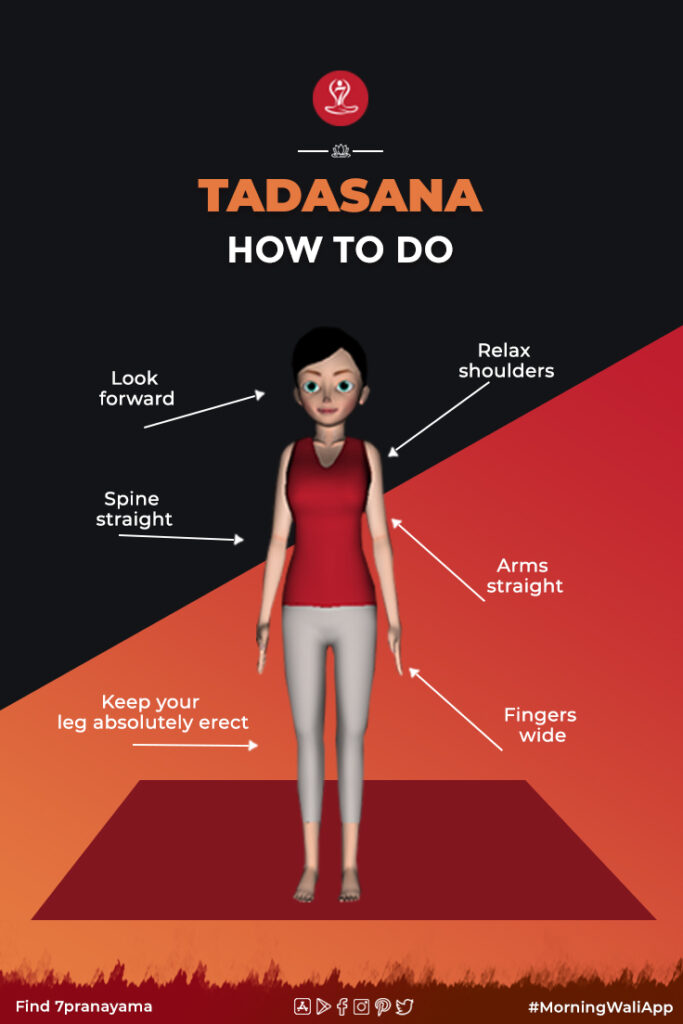
Benefits: Strengthens the spine, Increases length and body balance, Improves concentration, Strengthens legs, Develops muscles.
First of all, stand straight and keep the neck straight in the waist. Now take both your hands above the head and join the fingers together. Now straighten both your hands and strain. Lifting your heels upwards, balance the body on the toes or fingers. During this, stretch should arise in your whole body from feet to fingers of hands. Remain in the asana for 10 seconds. Now exhale and come to the starting position. In this posture, one should stand with the head, waist, heels etc. in a straight line. Keeping the right stretch in hands and feet is essential in Tadasana.
2. Vrikshasana (Tree Pose)
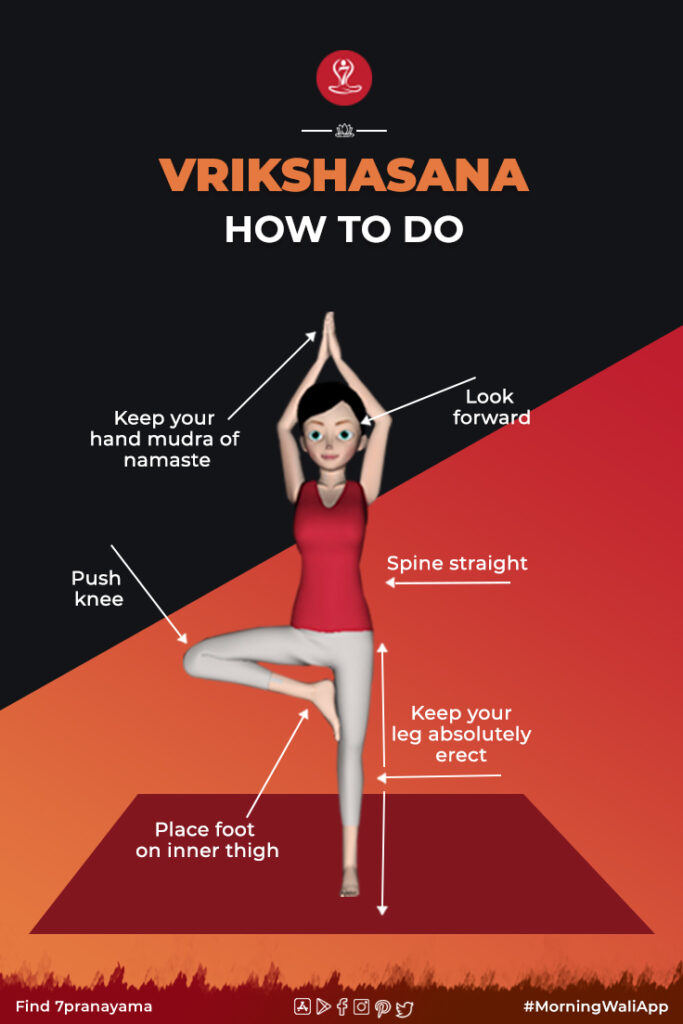
Benefits: Total body workout, Improves balance and stability in the legs, Strengthens and tones the entire standing leg, opens the hips, strengthens your thighs, knees and calf muscles.
In Vrikshasana (tree pose) standing upright, the soles of one foot are placed on the side of the thigh of the other foot, that is, in this posture, one has to stand on one leg. It is mainly a balancing pose that helps in maintaining physical balance.
First of all, stand up straight. The waist should be straight and the whole body should be tight. Keep the hands near the waist. After that raise your right leg and bend the knee and try to keep the sole of the foot on the thigh of the left leg. Even if you are not able to bring the leg to the thigh, there is nothing to worry about, take it as far as possible. Now taking a long breath, take both your hands above the head and make a salutation posture. In the meantime, keep in mind that the balance of the body remains. Now you are in Vrikshasana posture. You can stay in this posture for 30 seconds to 5 minutes according to your capacity. In the meantime, keep paying attention to your breath.
3. Ardha Chakrasana (Half Wheel Pose)

Benefits: stiff muscles are opened and blood circulation is done properly.
Keep both your hands on your waist and while inhaling try to bend the upper part of the waist back and forth. In this position, keep in mind that your legs are completely straight, and the knees are not bent. In this state, you should hold the breath as much as possible, and after 40 to 50 seconds, come back to the normal position and exhale the breath. If you are not able to keep the knees straight while practicing in the initial time, then it does not matter, you should start practicing this asana by bending the knees slightly, and as soon as your balance is achieved, then you can do it by keeping the knees straight.
To practice the advanced position of Ardha Chakrasana, inhale while lifting your hands up, bending the upper part of the waist back and forth.
4. Padahastasana (Hand to Feet Pose)
Benefits: A good amount of oxygen and blood starts reaching our brain and our body becomes more agile than before. Spinal nerves are stimulated and toned, Increases vitality, Helps with nasal and throat diseases.
First of all, you stand straight and while taking a long breath, bending your hands back towards the waist, hold both your hands on the toes of both the feet. While breathing we have to keep our body straight. After this you have to exhale and pull the stomach inwards. In this position your head should be on your knees.
When you feel the urge to take a breath, stand up, take a deep breath once and exhale while going down and let out all your breath. But when you stay in the pose, do Brahma Kumbhaka and while rising up, inhale your breath.
5. Trikonasana (Triangle Pose)

Benefits: Trikonasana activates your core muscles, which aids in balance and stability, Opens the hips and shoulders, stimulates your core muscles, and Allows the body to stretch.
Begin by standing on your mat. Make a distance of 3 feet between the feet. Bend your right leg 90 degrees. Now pull your left foot slightly inwards and make a 45 degree angle. Make sure your heels are parallel to each other. Then take the right hand upwards, while touching it with the palms of the left hand on the left foot or on the floor. Bend your neck and keep your head up, looking at the sky or the ceiling. Now come back to the earlier position and do this process on the other leg.
6. Virabhadrasana (Warrior Pose)

Benefits: Encourages good circulation and respiration, Energizes the entire body, Improves focus, balance and stability, Strengthens and tones the arms, legs and lower back, and Opens your chest and lungs.
First of all, stand straight on both your feet. Keep in mind that there should be a distance of at least 3 to 4 feet between both the feet. Now keep your left leg straight, keep it moving slightly to the left. Move the right leg a little forward and after that, bend both the legs exactly as seen in the picture. Keeping your hands in the shape of Namaste, keep them upwards. Stay in this pose for a while and do the same pose again.
7. Chair Pose (Utkatasana)
Benefits: Total body workout yoga pose, Strengthens the ankles, thighs, calves, and spine, Stretches shoulders and chest, helping to stabilize your knees, also helps you achieve a better stance while sitting, standing, and walking.
Begin with Tadasana. Keep the legs straight and keep the shoulders parallel. While exhaling, bring your hips back while bending your knees. Make your body posture like sitting in a chair. Pull your lower abdomen in and up to support your lower back. While inhaling, raise your hands around your ears and look up. Inhale 3-4 times, exhale and then come back to Tadasana.
8. Garland Pose (Malasana)
Benefits: Stretches your hips and relaxes the lower back, glutes, and hamstrings, tones the abdominal muscles and improves the function of the colon, Stretches your ankles, lower hamstrings, back and neck.
Keep a distance between both feet and take long, deep breaths. Then slowly while exhaling, bend the knees and sit down. Keep in mind that do not sit completely on the ground, but sit with the support of your feet. Bring both hands between the feet and bring them in the position of Namaskar and keep them in front of the Anahata Chakra. Keep the elbows of both hands inwards from the knees of the feet and cover both thighs together away. Keep the spine straight but bend the body forward and bring it to the middle of both thighs. Take long deep breaths as you inhale, feel the breath going through the throat, chest, up to the stomach. Then slowly exhale the breath.
9. Boat Pose (Navasana)
Benefits: Helps stretch your hamstrings, Improves digestion and balance, Enhances self-assurance, Helps builds focus and body awareness, help build confidence and empowerment.
Lay a yoga mat or rug on the ground, after that lie down on your back. Keep the hands parallel to either side of your body. After this, try to raise the body while giving weight on your hips. Raise your legs upwards as well as try to move your waist, back up. One thing must be noted that the height of the feet and the height of the head should be almost the same. Try to keep your hands straight. And Try to keep the mind calm. Try to focus on the abdominal muscles. Practice staying in this position for 30 seconds to 1 minute, you can increase it according to time.
10. Pavana Muktasana (Wind Relieving Pose)
Benefits: Relieves stress and tension, Can relieve indigestion, Strengthens the back and abdominal muscles, Tones the leg and arm muscles.
First lie down on the ground, making sure that your feet are together, and your hands are placed next to your body. Take a deep breath, as you exhale, bring your knees in towards your chest, and press your thighs to your stomach. Clasp your hands around your feet as if you were resting your knees.
11. Vakrasana (Seated Spinal Twist Pose)
Benefits: Gently exercises the abdominal and back muscles, Improving digestion and combating constipation, Excellent massage to your abdominal organs, Helps in loosening the spine muscles.
Vakrasana is done sitting down. In this, your spine is in a straight line. To do this, first of all, sit with both your legs spread in front and keep the spine straight. Connect both your hands in front of your eyes in line with the eyes, while breathing in, go to the right and while exhaling come back to the east position. Now the same action has to be done on the left side. You do this 3 to 5 times.
12. Vajrasana (Thunderbolt Pose)
Benefits: Relieves low back pain, Relieves rheumatic pain, Treatment of Hypertension (High Blood Pressure), Improves sleep, Keeps blood sugar levels under control.
Laying a mat on a clean place, sit with both your feet in front. Now bend your knees and sit on your toes. The toes of both the feet should meet together. There should be some distance between the ankles of both the feet, keep all the weight of your body on both the feet. Waist should be straight and chest should be taut. Place both the hands on the thighs. Take long and deep breaths in this state. If you want, you can also keep both your eyes closed. Try to sit in this position for at least 5 minutes.
13. Balasana (Child’s Pose)
Benefits: Total body workout pose, Releases tension in the back, shoulders and chest, Recommended if you have dizziness or fatigue, Calms the mind and central nervous system, lengthens and stretch out the spine.
Sit on the mat in the Vajrasana. Keep both your knees close to each other. Now, while breathing in, raise both your hands up and while exhaling, tilt your head forward. Rest the hands and head on the ground. Now take the palms of both your hands near your buttocks and keep both the palms touching your body towards the sky. The position of your body is in the position of Balasana. Maintain the same position and gently apply pressure on the thigh with the help of the chest. Remember that your hips should touch your feet. Relax your whole body and take deep breaths in and out.
14. Phalakasana (Plank Pose)
Benefits: Improves body alignment and helps avoid lllness, Build core strength, Improves overall mental health, and also help to achieve better body balance, posture, as well as coordination.
One of the best poses for a total body workout.
To do Phalakasana, lie down on your stomach and take deep breaths to stabilize and calm the mind. Keeping both the hands bent at the elbows, keep the palms near the shoulders. Then putting the weight of the body on both palms, slowly raise the upper part of the body. The weight of the lower part of the body will remain on the toes. The hands can be kept straight and bent at the elbows, but do not bend the knees. Keep the whole body straight and stay in the posture according to your ability. Let breathing function normal. Now to come back, bend both knees and put them on the ground and come to Balasan and rest for some time.
15. Chaturanga Dandasana (Four-Limbed Staff Pose)
Benefits: Total body workout, Sligns your whole body and builds strength in your erector spinae, Builds functional strength, Develops core stability, Prepares body for inversions.
Lay the yoga mat on the ground and lie on it on the stomach or in Adho Mukha Svanasana. In this posture, keep both your hands like Bhujangasana, that is, place both your hands on the ground in front of your shoulders, keep your fingers forward. Keep both toes straight on the ground so that the weight of the body can be lifted on them. Now try to raise both your knees slowly while emphasizing on the toes. While inhaling, lower the weight of your body with both your hands. Make a 90-degree angle at the elbow between your upper arm and forearm.
In this position, your body will be completely upright, and only the hands and toes will be on the ground; this will be the full weight of your body. Do this asana for 10 to 30 seconds. After this, while exhaling, slowly come to your starting position.
16. Bhujangasana (Cobra Pose)
Benefits: Stimulates abdominal organs, Soothes sciatica, is therapeutic for asthma, targets the low back, hip, and thigh muscles, and also helps to reduce pain and encourage flexibility.
Lie down on your stomach on a mat. Then spread both legs by lengthening them well. And put the chin on the ground. Keeping both elbows adjacent to the ribs on both sides, place the palms of both hands on the ground. While doing the Bhujang posture, keep in mind that the claws of both hands should always be placed just below the shoulders (on the ground). Now put your head on the ground. And then, closing both your eyes, while filling the breath inside the body, slowly raise the chin, and after that, raise the neck up towards the sky. Then slowly raise your chest. And after that, slowly lift the part of your stomach. Now, while moving the neck upwards, the back is to be folded backwards (like an arch). To rise, apply force with the body, and apply as little force as possible on the hands. Keep in mind that by putting the front part of both feet on the ground, try to raise the front part of the body at a normal speed.
17. Kapotasana (Pigeon Pose)
Benefits: Increases external range of motion of femur in hip socket, Lengthens hip flexors, Prepares body for backbends, also supporting digestion.
Sit in the posture of Vajrasana. Then lift the body on the knee. Make sure that you do not stand on your feet. After this, place both your hands near the toes of the feet, that is, below the waist. Using your palms, slowly start twisting backwards. Now bend your waist comfortably and take your head backwards as well. Now rest your head on the ground. With both your hands, carefully grasp the heels of the feet.
18. Salabhasana (Locust Pose)
Benefits: Backbend that strengthens the entire back, reduces the abdominal fat and tones the abdomen, lengthens the spine, and opens the chest.
To do the asana, lie on your chest. Place your hands beside the body with the face towards the floor. Now point your toes backwards while connecting your thighs. Take a long, deep breath and lift your chest and arms. Stay in this position for 5 deep breaths in and out. Repeat this sequence 5 times. You can also keep your hands straight in front. Taking long deep breaths, lift your chest, arms, thighs, and feet off the mat. Only the stomach should remain on the mat.
19. Sirsasana (Headstand)
Benefits: Alleviate stress and depression, enhance lung capacity, relieve stress, help your skin glow, and Balances hormones as well total body workout pose.
Sit in thunderbolt pose. Keep your elbows in a straight line on your yoga mat. Bring your hands together to form a triangle shape with your forearms. Keep your fingers together, opening the palms and thumbs. Keep your little fingers together so that the base under your hands is more stable. Place your tops on the mat with the inside of your hands. Raise hips and straighten your legs. Walk your feet toward your head. Bring the hips over your shoulders. Gently bring your knees in towards your chest. Stay in this position for 5 seconds.
20. Shavasana (Corpse Pose)
Benefits: Calms the central nervous system, aiding the digestive and immune systems, promotes spiritual awakening and awareness of higher consciousness.
Lie flat on the mat on your back. There should be a little gap between your two legs. Both hands should be slightly away from the body on the ground, keeping the palms open upwards. Close both your eyes and bring your body to a comfortable position. Now breathe slowly and keep your full attention on the breath, exhale at the same speed as you breathe in. There should not be any kind of thoughts in the mind, and try to focus your mind on one place.
You can also sleep in this pose, but you do not have to sleep. Stay in this pose for at least 10 minutes. If you have time, you can stay in this pose for 20 to 30 minutes. In the end, slowly open your eyes and come out of this pose.
Conclusion
A total body workout is good for health, and it makes life easier in general. However, maintaining a rigorous workout routine can be the hardest for lazy people.
Frequently Asked Questions (FAQ)
Tadasana strengthens the spine, legs, and developing muscles. It also increases overall body length, improves concentration, and enhances physical balance.
You can stay in the Vrikshasana posture for anywhere from 30 seconds to 5 minutes, depending strictly on your personal capacity.
If you are unable to keep your knees completely straight at first, you should start practicing this asana by bending your knees slightly until your balance is achieved.
Utkatasana strengthens the ankles, thighs, calves, and spine while stretching the shoulders and chest. This stabilizes your knees and helps you achieve a better stance while sitting, standing, and walking.
While Shavasana brings your body to a comfortable position and calms the central nervous system, you should remain aware; you can sleep in this pose, but you do not have to sleep.
